
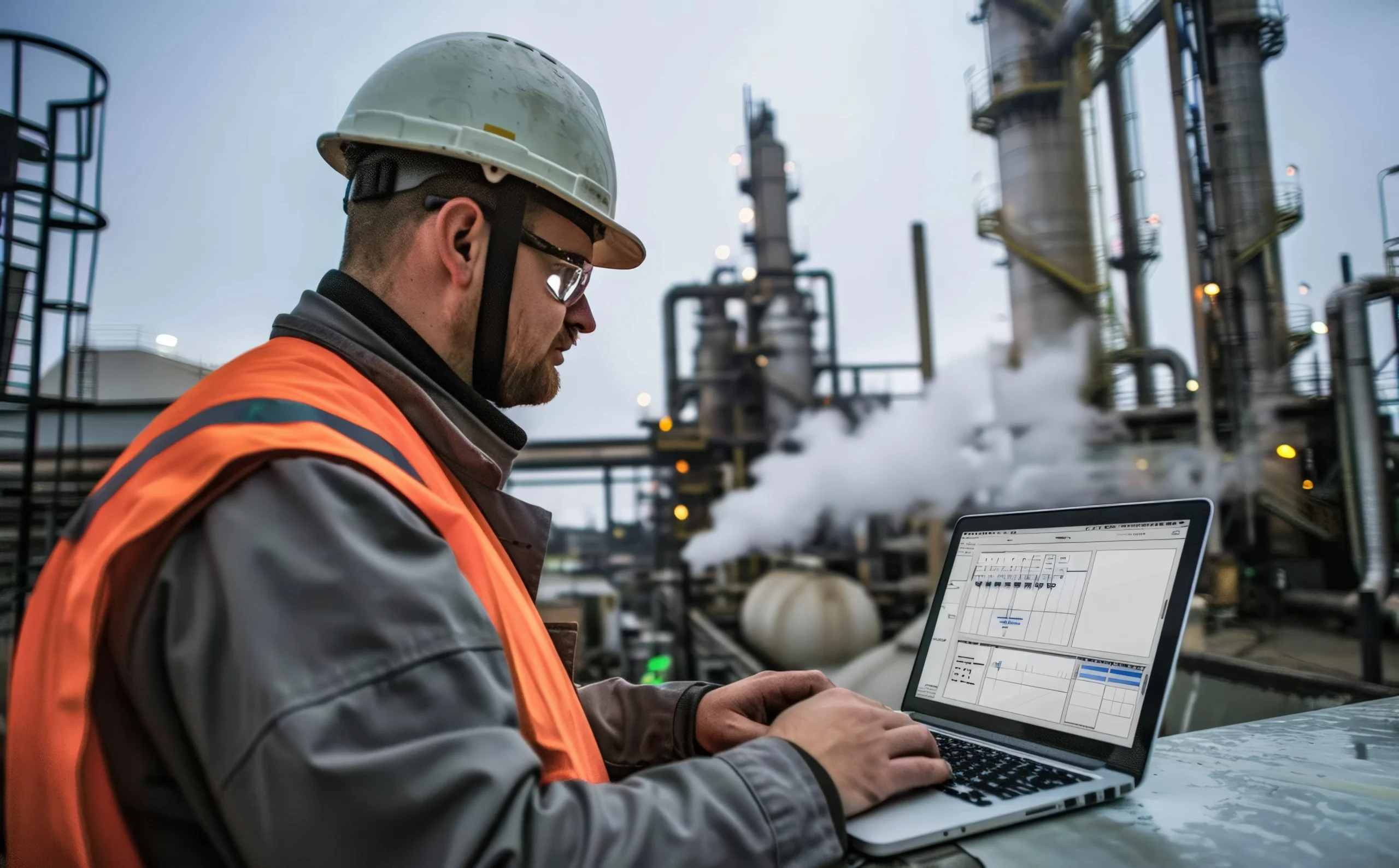
The energy industry has always been a tough place to operate. Between fluctuating commodity prices, tightening regulations, and the growing pressure to operate cleaner and leaner, companies in this space have had to evolve — fast. One area quietly driving that evolution is Oil and Gas testing. Not the kind that makes headlines, but the kind that keeps pipelines safe, ensures product quality, and helps operators make smarter decisions with less guesswork.
If you’ve been watching this space closely, you already know things are shifting. If you haven’t, here’s what’s actually happening on the ground —
The top 10 oil and gas testing trends shaping the energy sector right now:
1. Real-Time Oil and Gas Testing Is Replacing Lab Delays
For years, pulling samples and waiting days for lab results was just accepted as the cost of doing business. That’s changing. In-line analyzers and continuous monitoring systems are now being deployed directly in the flow stream, delivering data in seconds rather than days. This doesn’t just speed things up — it changes how decisions get made at every level of operations.
2. Integration of AI and Data Analytics
Artificial intelligence has found a solid footing in oil and gas testing — and it’s doing more than anyone expected from it early on. Advanced analytics bring the kind of pattern recognition and failure prediction that changes how testing schedules get built and how problems get caught. Less downtime. Better accuracy. Operational costs that reflect smarter decisions rather than reactive ones. That’s the shift — and it’s already well underway.
3. Environmental Testing in Oil and Gas Is Becoming Critical
Environmental regulations aren’t getting any looser — and companies are feeling that pressure from every direction. Emission testing, water analysis, and soil contamination studies have gone from being something you scheduled when you had time to something you can’t afford to skip. It’s not really a compliance checkbox anymore. Environmental testing has worked its way into the core of how serious operators plan and run their operations, and that shift isn’t reversing anytime soon.
4. Demand for Advanced Crude Oil Characterization
Anyone running a refinery today knows the crude coming through the door looks a lot different than it did a decade ago. More complex blends mean more variables, and more variables mean more room for things to go wrong if you’re not paying close attention. That’s exactly where detailed crude oil assay testing earns its place — breaking down composition, giving refining processes a real target to optimize around, and making sure product quality holds up regardless of what’s in the mix.
5. Growth of Third-Party Testing Services
Something worth noticing in this industry right now is how many companies are turning to independent, third-party laboratories for their oil and gas testing needs. It makes sense when you think about it. Unbiased results carry a different kind of weight than in-house numbers — especially when regulators and stakeholders are the ones asking questions.
6. Emphasis on Fuel Quality and Adulteration Testing
Fuel adulteration is still a real and damaging problem — particularly in developing markets where oversight has historically been harder to enforce. Advanced testing methods are changing that dynamic. Detecting impurities that would once have gone unnoticed is now well within reach, and fuels that don’t meet regulatory and performance standards are getting caught before they cause damage further down the line. The problem hasn’t disappeared, but the ability to identify and address it has improved considerably.
7. Digitalization of Laboratory Operations
Laboratories that are still running on manual processes are fighting an uphill battle — and most of them know it. Digital tools and automation have raised the bar on what good lab operations look like, and Laboratory Information Management Systems (LIMS) have become the backbone of that upgrade. Data accuracy tightens up, manual errors lose most of their room to hide, and traceability goes from being a compliance burden to something the system handles almost on its own. It’s not a luxury anymore — it’s just how competitive labs operate
8. Focus on Pipeline Integrity Testing
Pipeline failures have a way of making headlines for all the wrong reasons — and the damage they leave behind, both financial and environmental, has a long tail. It’s that reality that’s driven serious investment in corrosion analysis, leak detection, and pressure testing across the industry. These aren’t new concepts, but the urgency around them has grown considerably as infrastructure ages and regulatory scrutiny increases. Catching a problem before it becomes a failure isn’t just good practice anymore — it’s the difference between a manageable situation and a costly, public one.
9. Rising Importance of Lubricant and Oil Condition Monitoring
Predictive maintenance has become a real priority across the industry — and regular testing of lubricants and industrial oils is a big reason why. These tests catch wear and tear early, before it snowballs into something that takes equipment offline and burns through budgets. Preventing costly equipment failures doesn’t require a dramatic overhaul — it just requires consistent testing at the right intervals.
10. Alignment with Global Testing Standards
Compliance with international standards like ASTM and ISO has moved up the priority list — and for good reason. Export markets don’t leave much room for testing practices that fall short of global benchmarks. Companies that have aligned their processes accordingly are finding fewer surprises at the border and stronger credibility with the partners and regulators that matter.
Why These Trends Matter
Testing is no longer a formality; it’s a core business function. The top 10 oil and gas testing trends shaping the energy sector show that companies that invest in the right testing infrastructure make better decisions, stay compliant, and avoid the failures that quietly drain operations.
The standards are rising. The question is whether your testing partner can keep up.
ITC Labs can. Trusted across the energy sector, ITC Labs delivers independent, accurate testing across crude oil assay, emissions, pipeline integrity, lubricant analysis, water testing, and ASTM and ISO compliance — everything modern oil and gas operations demand, under one roof.
FAQs
What are the latest trends in oil and gas testing?
The latest trends include real-time monitoring, AI-driven analytics, environmental testing, digital lab systems, and increased reliance on third-party testing services for compliance and accuracy.
Why is oil and gas testing important for manufacturers?
Oil and gas testing ensures product quality, regulatory compliance, operational safety, and efficiency, helping manufacturers reduce risks, avoid penalties, and maintain consistent performance standards.
How does AI impact oil and gas testing?
AI improves testing accuracy by analyzing large datasets, predicting equipment failures, optimizing testing schedules, and enabling faster decision-making in oil and gas operations.
What is crude oil assay testing?
Crude oil assay testing evaluates the composition and properties of crude oil, helping refineries optimize processing methods and ensure consistent product output and quality.
Why is environmental testing crucial in oil and gas?
Environmental testing helps monitor emissions, water contamination, and soil impact, ensuring compliance with regulations and reducing environmental risks associated with oil and gas operations.
What are third-party oil and gas testing services?
Third-party testing services are independent laboratories that provide unbiased analysis, helping companies meet regulatory requirements and build credibility with stakeholders and clients.
How does real-time testing benefit the oil and gas industry?
Real-time testing enables continuous monitoring, faster response to issues, improved safety, and reduced downtime by identifying problems before they escalate.
What standards are followed in oil and gas testing?
Oil and gas testing commonly follows international standards like ASTM and ISO to ensure consistency, accuracy, and compliance across global markets.