
Soil data drives production decisions. The fertiliser blends you recommend, the crop cycles you plan, the construction load-bearing calculations you sign off on — all of it starts with a soil test. So when the testing process has gaps, the consequences don’t stay in the lab. They show up in the field, on the production floor, and eventually, in your results.
The mistakes that compromise soil testing quality aren’t always dramatic. More often, they’re process gaps that accumulate quietly — wrong sampling technique here, poor storage conditions there, an unvalidated method somewhere in between.
Here’s where manufacturers most commonly go wrong, and what it actually costs them.
1. Poor Sampling Technique at the Source
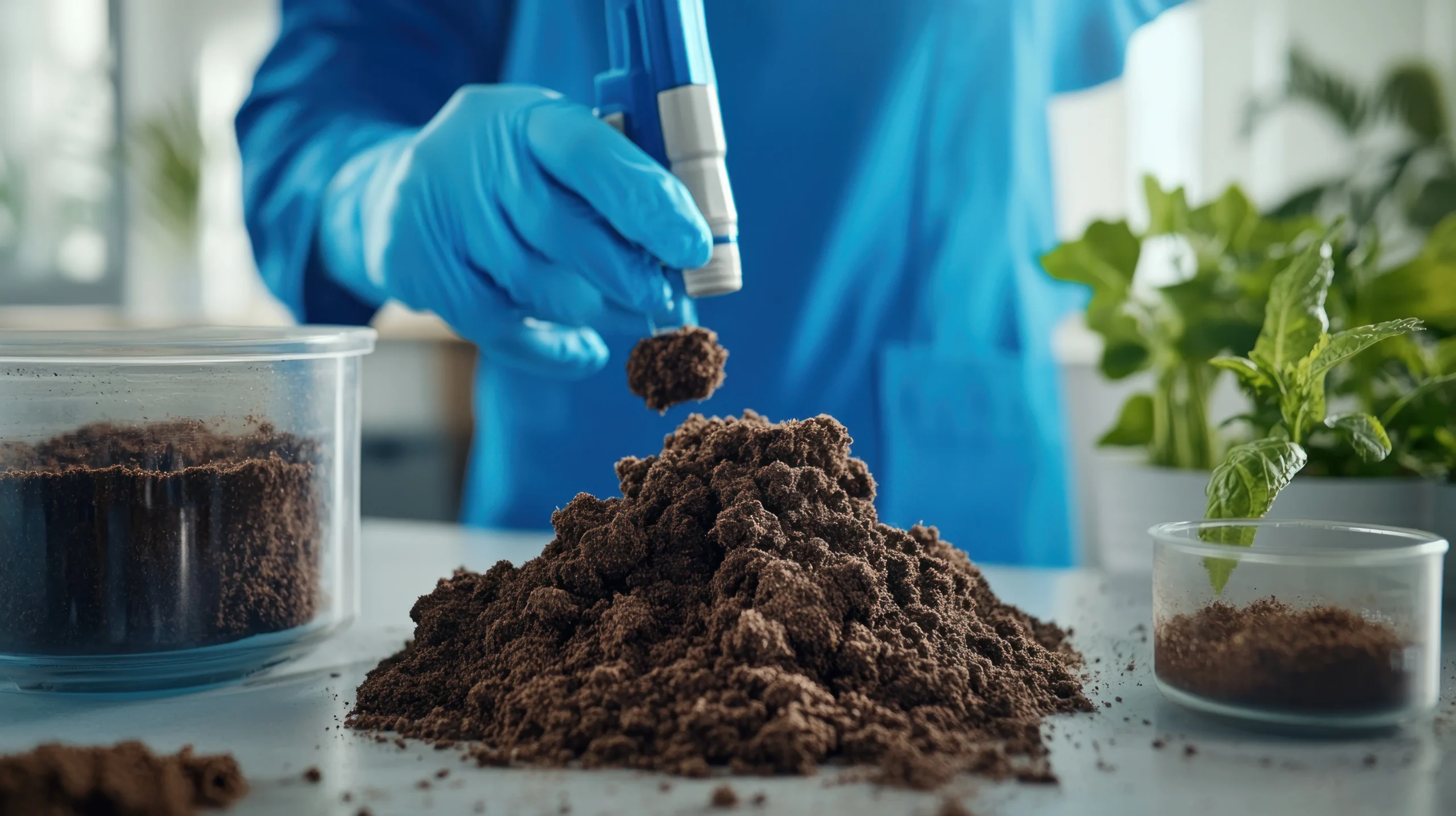
No amount of lab precision can fix a bad sample. Yet sampling is where most errors begin. Collecting from the wrong depth, missing representative zones, or contaminating the sample during collection, these mistakes invalidate the analysis before it even reaches the soil testing lab.
For agricultural testing, samples need to reflect actual root zone conditions across the field — not just the easiest spot to reach. For construction projects, depth and layering matter enormously. Manufacturers relying on a soil testing lab for construction work know that a misrepresentative sample can mean under-engineered foundations and structural liability down the line.
The fix is straightforward: follow standardised sampling protocols, train field staff properly, and document every collection point. The data is only as good as what goes into the process.
2. Inadequate Sample Handling and Storage
Soil is a living matrix. Its chemical and biological composition can shift significantly between collection and analysis if it isn’t handled correctly. Exposure to heat, moisture, or contaminants during transport and storage introduces variables that no analytical method can account for.
Samples left in non-sealed containers, stored at incorrect temperatures, or delayed in transit for days often yield results that no longer reflect field conditions. For manufacturers working with a soil testing lab for agriculture, this is a particularly common pain point — especially when sample collection sites are remote and logistics aren’t tightly controlled.
Every soil testing lab should have clearly defined chain-of-custody and storage protocols. If yours doesn’t, that’s a gap worth addressing immediately.
3. Using the Wrong Testing Method for the Application
Not all soil tests are interchangeable. The parameters that matter for crop nutrition planning are different from those required for a geotechnical assessment. Using a generalised panel when your application needs a specific method — or worse, using an outdated method when a validated one exists — leads to results that are technically accurate but practically useless.
This is one area where working with an analytical testing lab that specialises in your sector makes a real difference. A quality assurance testing lab with proper method validation and accreditation will match the testing approach to the actual end use — whether that’s nutrient mapping for precision agriculture or compaction analysis for civil engineering.
4. Skipping Accreditation Checks When Choosing a Lab
This one is more common than it should be. Manufacturers under timeline pressure sometimes send samples to whichever soil testing lab in India responds fastest — without checking whether that lab’s methods and quality systems are independently verified.
Accreditation exists for a reason. NABL-accredited labs in India operate under ISO/IEC 17025, which means their testing methods, equipment calibration, staff competency, and reporting systems are audited against an international standard. When you need results that will hold up to scrutiny — in regulatory submissions, client reports, or legal proceedings — NABL certified labs near me isn’t just a search query. It’s a quality filter.
Before you send your next batch of samples, check whether the lab appears on the list of soil testing labs in India recognised by NABL. It takes five minutes and can save significant problems later.
5. Misinterpreting Results Without Contextual Data
A report full of numbers isn’t the same as actionable insight. Soil test results need to be interpreted against baseline data, historical trends, crop or project requirements, and regional soil profiles. Manufacturers who take a single test result in isolation — without comparing it against benchmarks or previous cycles — often make input decisions that are off the mark.
The best testing services in India don’t just return a data sheet. They provide context — flagging anomalies, explaining variability, and linking results to practical recommendations. If your current quality assurance testing laboratory is only delivering raw numbers without interpretation support, it may be worth reconsidering that relationship.
6. Inconsistent Testing Frequency
Soil changes. Seasonal variation, irrigation cycles, fertiliser applications, and land use shifts all alter its composition over time. Testing once and treating the results as permanent is a mistake that quietly degrades production quality — particularly in agriculture, where nutrient dynamics shift with every crop cycle.
Manufacturers working with a soil testing lab for agriculture should build regular testing intervals into their production planning — not treat it as a one-off exercise. The data gets more valuable over time when there’s a trend to read, not just a single snapshot.
The Standard You Hold Your Lab To Matters
Every mistake in this list has a downstream consequence — a misguided input decision, a failed audit, a structural problem that surfaces months after completion. The good news is that most of these errors are entirely preventable with the right processes and the right lab partner.
Whether you’re searching for a soil testing lab near me for an agricultural project, need a reliable soil testing lab in India for high-volume construction work, or are simply looking to raise the bar on your internal quality systems — the standard of lab you choose sets the ceiling for everything that follows.
ITC Labs works with manufacturers across agriculture, construction, and industrial sectors to deliver accurate, accredited, and contextually interpreted soil analysis. As one of the best soil testing labs in India, ITC Labs brings NABL-aligned quality systems, experienced analysts, and turnaround times built around production schedules — not lab convenience.
If your current process has any of the gaps above, it’s worth having a conversation. Talk to the ITC Labs team and find out what better soil data can do for your production quality.
FAQs
1. What is a soil testing lab and why is it important?
A soil testing lab analyzes soil composition, nutrients, and contaminants. It helps manufacturers and farmers make informed decisions, ensuring better productivity, quality control, and compliance with environmental and industry standards.
2. How do I find the best soil testing lab in India?
To find the best soil testing lab in India, check for NABL accreditation, industry expertise, advanced equipment, and reliable reporting. Comparing a list of soil testing lab in India helps shortlist the right option.
3. What is the difference between a soil testing lab for agriculture and construction?
A soil testing lab for agriculture focuses on nutrients and fertility, while a soil testing lab for construction evaluates soil strength and stability for safe infrastructure and material performance.
4. Are there NABL certified labs near me for soil testing?
Yes, you can find nabl certified labs near me by searching online directories or government listings. Many nabl accredited labs in India offer reliable soil testing services across industries.
5. How often should soil testing be done for agriculture?
Regular testing through a soil testing for agriculture lab near me is recommended every 6–12 months. It helps monitor soil health, improve crop yield, and maintain consistency in agricultural production.
6. What services does an analytical testing lab provide?
An analytical testing lab offers soil analysis, chemical testing, contamination detection, and quality evaluation. These services support the manufacturing, agriculture, and construction industries in maintaining product and process quality.
7. Can soil testing improve manufacturing quality?
Yes, working with a quality assurance testing lab ensures accurate soil data, helping manufacturers improve raw material quality, reduce risks, and maintain consistency in production processes.
8. How do I choose a soil testing lab in India near me?
When selecting a soil testing lab in India near me, consider accreditation, experience, turnaround time, and services offered. Reliable Best Testing services in India provide accurate and actionable insights.