
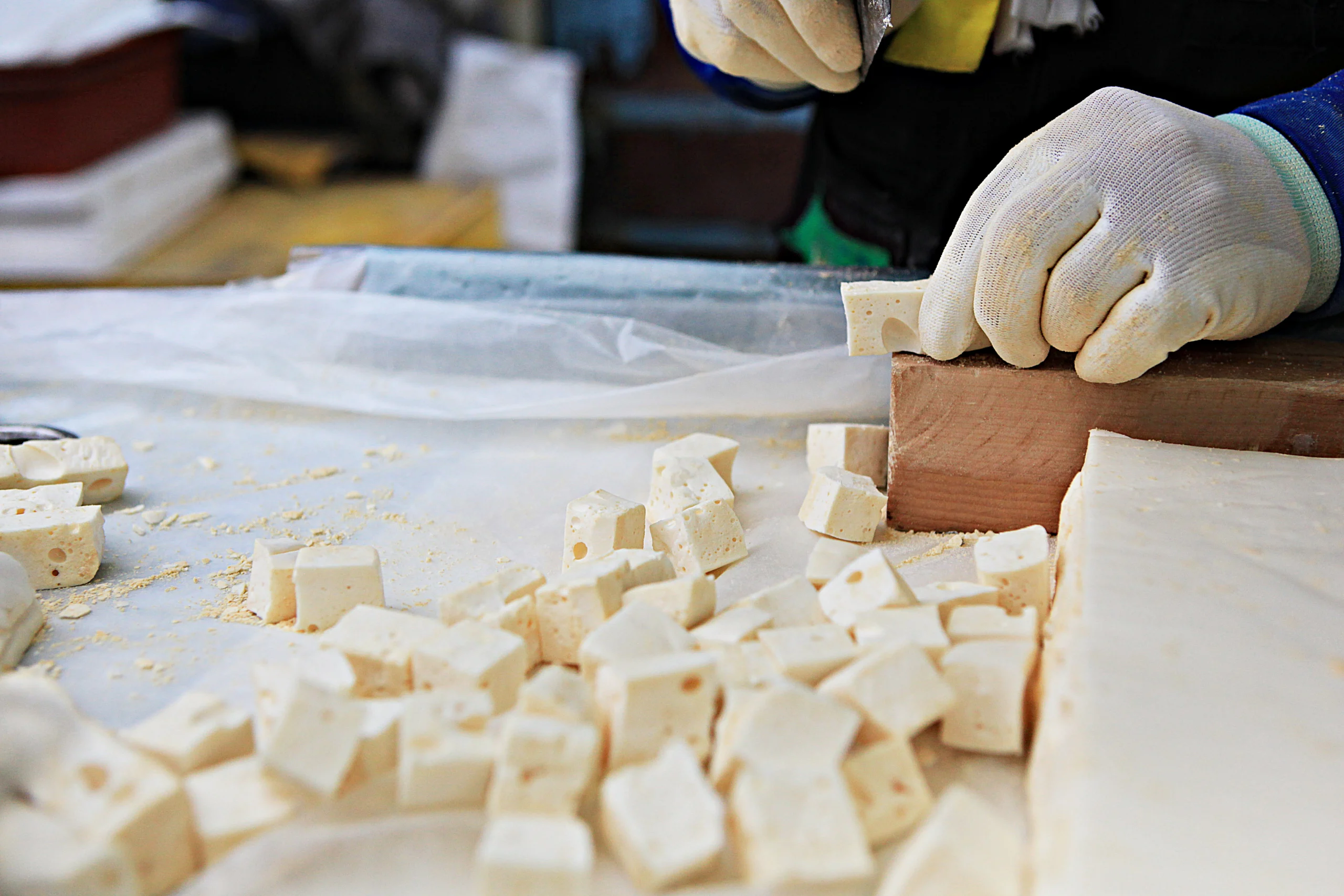
Paneer is one of the most widely consumed dairy products in India, used across households, restaurants, catering services, and packaged food industries. Its high protein content and versatility make it a staple in vegetarian diets. However, alongside this demand, paneer has also become one of the most commonly adulterated food products in the country.
Search trends clearly show increasing concern around topics such as paneer adulteration, fake paneer in India, adulterated paneer, and paneer adulteration tests. This growing awareness reflects a deeper issue—many consumers and businesses are unsure how to verify paneer quality and safety.
To regulate food quality, authorities like the Food Safety and Standards Authority of India have established standards. However, real assurance of safety comes from scientific verification through a certified food testing lab, food testing laboratory, or food analysis laboratory.
This detailed guide explains paneer adulteration in depth, including types, causes, health risks, detection methods, and the role of professional food testing services.
What Is Paneer Adulteration?
Paneer adulteration refers to the addition of non-permitted or harmful substances to paneer or the use of substandard raw materials during its production. These practices are typically driven by the need to reduce costs, increase volume, or extend shelf life.
Adulteration is not always visible. In many cases, paneer may appear fresh, white, and firm but still contain unwanted substances. This makes detection challenging without proper testing in a food testing laboratory.
Why Paneer Is Highly Vulnerable to Adulteration
Paneer is particularly prone to adulteration due to several factors:
High Demand and Consumption
Paneer is used daily across homes and food businesses, creating constant demand.
Perishable Nature
Paneer has a short shelf life, encouraging practices that artificially extend freshness.
Price Sensitivity
Lower-priced paneer often attracts consumers, leading to cost-cutting by producers.
Unorganized Production Sector
A significant portion of paneer production occurs in small, unregulated units.
Lack of Routine Testing
Without consistent testing through a food testing lab, adulteration can go unnoticed.
Common Types of Paneer Adulteration
Understanding the types of adulteration is essential for both detection and prevention.
1. Starch Adulteration
Starch is one of the most commonly used adulterants. It increases the bulk and firmness of paneer while reducing production costs.
Impact:
- Reduces protein content
- Alters texture
- Misrepresents product quality
A food analysis laboratory can detect starch through chemical testing.
2. Synthetic Milk-Based Paneer
Synthetic milk is made using chemicals, detergents, and oils to replicate the appearance of milk. Paneer produced from such milk is unsafe for consumption.
Impact:
- Introduces toxic substances
- Compromises nutritional value
- Poses serious health risks
3. Detergent Contamination
Detergents may be used to create foam or improve texture.
Impact:
- Causes digestive issues
- Can damage internal organs with prolonged exposure
Detection requires advanced testing in a food testing laboratory.
4. Vegetable Fats Instead of Milk Fat
Low-cost fats are used to replace milk fat, reducing nutritional value.
Impact:
- Alters taste and texture
- Reduces protein and fat quality
5. Excess Moisture Addition
Water may be added to increase weight and volume.
Impact:
- Reduces shelf life
- Increases risk of microbial growth
6. Urea and Chemical Additives
Urea may be added to artificially increase nitrogen content.
Impact:
- Toxic to the body
- Can affect kidney function
Health Risks of Adulterated Paneer
The consumption of adulterated paneer can have both immediate and long-term health effects.
Short-Term Effects
- Stomach pain
- Vomiting
- Diarrhea
- Food poisoning
Long-Term Effects
- Liver and kidney damage
- Toxic buildup from chemicals
- Hormonal imbalance
- Reduced nutritional intake
Because these effects may not appear immediately, regular testing through food testing services is important for prevention.
How Food Testing Laboratories Detect Paneer Adulteration
A certified food testing laboratory uses scientific methods to detect adulteration accurately.
Chemical Testing
Chemical analysis identifies adulterants and checks composition.
Includes:
- Starch detection
- Fat and protein analysis
- Detection of chemical residues
Performed in a professional food analysis lab, this is the most reliable way to detect adulteration.
Microbiological Testing
Paneer is highly susceptible to microbial contamination.
Tests Include:
- Total bacterial count
- Yeast and mold detection
- Pathogen screening
A food testing lab ensures the product is safe for consumption.
Nutritional Analysis
This verifies whether paneer meets expected nutritional standards.
Parameters:
- Protein
- Fat
- Moisture
- Energy
Shelf-Life Testing
Shelf-life testing determines how long paneer remains safe under storage conditions.
Limitations of Home-Based Detection
While some home tests exist, they have significant limitations:
- Cannot detect all adulterants
- Results are not scientifically validated
- No regulatory acceptance
- Limited accuracy
For reliable results, testing must be conducted in a certified food testing laboratory.
Role of Food Testing Services in Preventing Adulteration
Professional food testing services play a preventive role by identifying issues early and ensuring compliance.
Key Benefits
- Detect adulteration before products reach consumers
- Ensure compliance with food safety standards
- Maintain consistent product quality
- Reduce legal and reputational risks
A reliable food testing lab acts as a quality control partner for businesses.
Who Should Use Paneer Testing Services?
Paneer testing is essential for:
- Dairy manufacturers
- Paneer brands
- Restaurants and catering businesses
- Retail chains
- Exporters
- Food startups
Any business handling paneer can benefit from a certified food analysis laboratory.
How Businesses Can Reduce Paneer Adulteration Risk
To maintain quality, businesses should:
- Source raw materials from verified suppliers
- Conduct regular testing through a food testing lab
- Maintain hygiene and storage standards
- Implement quality control systems
- Use professional food testing services
Importance of Food Analysis Laboratories in Food Safety
A food analysis laboratory does more than detect adulteration. It supports:
- Product development
- Quality improvement
- Regulatory compliance
- Market readiness
This makes it an essential partner for food businesses.
Why ITC Labs Is a Trusted Food Testing Laboratory
Ensuring paneer quality requires accurate testing and regulatory compliance. ITC Labs is recognised by NABL, FSSAI, APEDA, and other regulatory bodies as an accredited food testing laboratory.
Their food testing services include testing for dairy, bakery goods, oils and fats, spices, and nutraceuticals. The lab supports:
- Shelf-life testing
- Allergen analysis
- Contaminant detection
- Nutritional labelling
As a reliable food testing lab and food analysis laboratory, ITC Labs helps businesses ensure product safety and compliance.
Conclusion
Paneer adulteration is a significant food safety issue in India. While basic checks may provide initial insights, accurate detection requires scientific analysis.
A certified food testing laboratory can identify adulterants, verify quality, and ensure compliance with standards. For businesses, investing in professional food testing services is essential for maintaining product integrity and consumer trust.
Partnering with a reliable food analysis lab like ITC Labs ensures consistent quality, safety, and long-term success.
FAQs (Featured Snippet Optimized)
Is paneer fake in India?
Paneer in India is not inherently fake, but adulteration can occur in unregulated markets. Some vendors may use starch, synthetic milk, or chemicals to reduce costs. However, paneer from trusted sources and products verified through a certified food testing laboratory are generally safe for consumption.
How do you know if paneer is real or fake?
You can identify real paneer by checking its texture, smell, and behavior when heated. Pure paneer is soft and crumbly, while fake paneer is often rubbery. Home tests like iodine for starch help, but accurate confirmation requires analysis by a food testing lab.
What is fake paneer made of?
Fake paneer is often made using synthetic milk, starch, detergents, vegetable fats, or other non-milk substances. These ingredients mimic the texture and appearance of real paneer but reduce nutritional value and safety. Proper detection requires testing in a certified food analysis laboratory.
What is the FSSAI paneer test?
The FSSAI paneer test refers to laboratory testing methods used to check paneer quality, safety, and compliance with food standards. These tests include chemical analysis, microbiological testing, and nutritional evaluation, typically performed in a certified food testing laboratory.
How to test paneer adulteration at home?
You can test paneer at home by boiling it and adding iodine solution to check for starch. You can also observe texture, smell, and how it reacts to heat. However, these methods are limited, and accurate detection requires a professional food testing lab.
Can paneer be adulterated with detergent?
Yes, paneer can be adulterated with detergents or chemicals to alter texture and appearance. These substances are harmful and not permitted in food products. Such adulteration is difficult to detect at home and usually requires testing in a food testing laboratory.
What are the side effects of fake paneer?
Fake paneer can cause digestive issues like stomach pain, vomiting, and diarrhea. Long-term consumption may lead to exposure to harmful chemicals, affecting liver and kidney function. Ensuring quality through food testing services helps reduce these health risks significantly.
Which paneer is not adulterated in India?
Paneer from trusted brands, certified suppliers, or sources that use regular quality checks is less likely to be adulterated. Products tested through a food testing laboratory offer higher assurance of safety and compliance with food standards.
Why is paneer adulterated?
Paneer is adulterated mainly to reduce production costs, increase quantity, and extend shelf life. High demand and price competition in the market also contribute to this issue. Regular monitoring through food testing services helps control and prevent adulteration.
How do food testing services detect fake paneer?
Food testing services detect fake paneer using chemical analysis, microbiological testing, and nutritional evaluation. These tests identify adulterants like starch, detergents, or synthetic compounds and ensure compliance with food safety standards in a food analysis lab.
What does a food testing laboratory check in paneer?
A food testing laboratory checks paneer for fat content, protein levels, moisture, microbial safety, and the presence of adulterants. These tests ensure that the product meets safety standards and maintains consistent quality before reaching consumers.
Is paneer safe to eat daily in India?
Paneer is safe to eat daily if it is fresh, properly stored, and sourced from reliable suppliers. Ensuring that paneer is tested or verified through food testing services further reduces the risk of adulteration and improves safety.
What are common quality issues with paneer?
Common quality issues include excess moisture, low fat content, microbial contamination, and adulteration with starch or chemicals. These issues can affect both safety and taste, making testing through a food testing lab important for quality assurance.
How often should paneer be tested?
Paneer should be tested regularly, especially in commercial production. Batch-wise testing or periodic checks through a certified food testing laboratory help ensure consistent quality, safety, and compliance with food regulations.
Which is the best food testing laboratory for paneer?
An accredited food testing laboratory with experience in dairy testing is ideal for paneer analysis. Labs like ITC Labs provide comprehensive food testing services, including adulteration detection, microbiological testing, and nutritional analysis for compliance and quality assurance.