
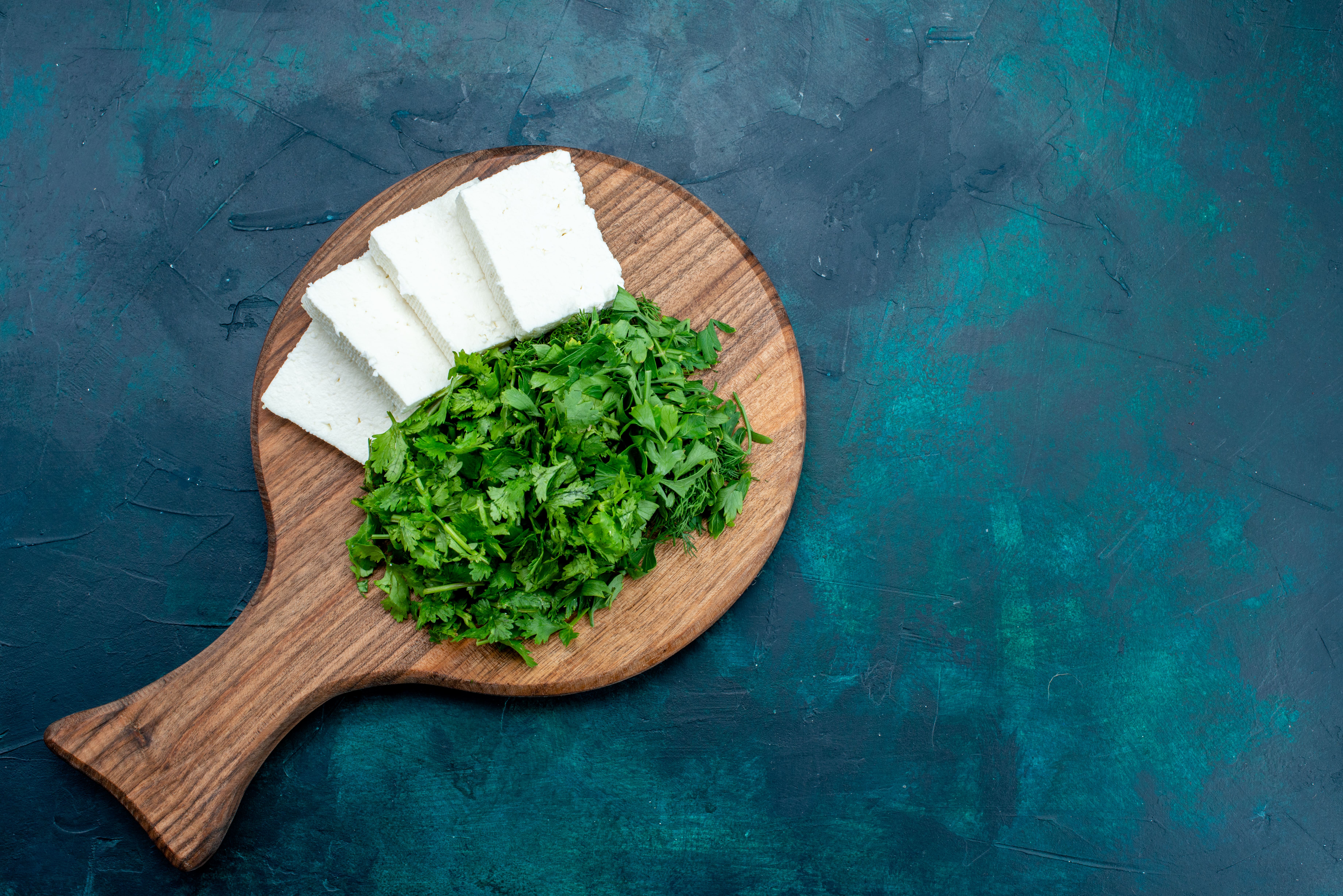
The shocking rise of fake paneer in India has become a serious public health concern. Recent FSSAI data indicates that nearly 83% of paneer samples tested across various cities failed to meet safety and quality norms. This means that the paneer you buy from your neighbourhood dairy, restaurant, sweet shop, or even packaged brands may not be what you think it is. Many consumers are now asking the same question: how to check paneer is real or not and how harmful adulterated paneer can be.
In this detailed blog, we break down everything—why adulteration happens, what FSSAI discovered, symptoms of fake paneer, paneer adulteration tests, and why only an accredited food testing lab can offer complete clarity.
Understanding the Rise of Fake Paneer in India
Paneer is one of India’s most widely consumed dairy products. In vegetarian households, it is a primary source of protein. But its popularity also makes it an easy target for adulteration.
Paneer is expensive to produce, requires fresh milk, proper storage, cold-chain logistics, and hygienic conditions. When manufacturers or local vendors want to reduce production costs or prolong shelf life, adulteration becomes the quickest shortcut.
Common Adulterants Found in Fake Paneer
According to food safety surveys and lab test reports, paneer may contain:
- Starch (to increase weight)
- Detergent or synthetic whiteners (to improve appearance)
- Cheap hydrogenated oils (vanaspati ghee)
- Skimmed milk powder mixed with chemicals
- Non-permitted acids for quick coagulation
- Microbial contaminants like E.coli, yeast, and mold
- Contaminated or expired milk
Each of these adulterants brings its own set of health risks.
FSSAI’s 83% Failure Rate — What It Actually Means
The FSSAI regularly conducts surveillance activities across states to check the safety and quality of widely consumed foods. In one such recent investigation, paneer emerged as one of the most compromised dairy products.
What the Failed Samples Indicated:
- Paneer contained non-permitted starch and industrial acids
- Several brands used cheaper vegetable fat instead of milk fat
- High bacterial count showed poor hygiene during manufacturing
- Paneer was mislabelled and stored at unsafe temperatures
- Some samples had alarming levels of adulterants harmful to health
When 83% of samples fail, it signals a massive gap in manufacturing standards and enforcement. This is exactly why businesses must rely on certified analytical testing laboratories.
Why Is Paneer Adulterated So Frequently?
The adulteration of paneer is not accidental — it is intentional, profit-driven, and linked to unregulated production environments.
- High Raw Material Cost
Milk is expensive. Pure paneer requires good quality full-cream milk. When vendors mix:
- Skimmed milk powder
- Starch
- Cheap refined oils
they reduce production cost drastically.
- Lack of Regular Testing
Small-scale producers often avoid:
- Food analysis
- Shelf-life checks
- Hygiene evaluations
because they don’t use accredited testing laboratories.
- Weak Enforcement
While FSSAI sets strict standards, the on-ground monitoring—especially in small towns—is limited. This allows unregistered vendors to sell substandard paneer without any quality assurance testing.
- High Demand, Especially During Festivals
During Holi, Diwali, Raksha Bandhan, wedding seasons, and weekends, manufacturers rush production. Corners get cut. Milk quality declines. Adulteration increases.
Health Risks of Consuming Fake Paneer
Consuming adulterated paneer regularly is not just unhealthy—it can be dangerous.
Short-Term Health Effects
- Severe stomach pain
- Diarrhea or vomiting
- Indigestion
- Gas, bloating
- Metallic or chemical taste in mouth
- Allergic reactions
Long-Term Effects
- Kidney stress due to detergents or chemicals
- Liver toxicity
- Chronic digestive issues
- Hormonal imbalance
- Reduced immunity
One of the biggest risks in adulterated paneer is microbial contamination. Without cold storage, paneer spoils in hours. Stale paneer leads to food poisoning outbreaks, especially in:
- Restaurants
- Dhabas
- Sweet shops
- Buffets
- Caterers
This is why food businesses must get their products tested in a consumer food testing lab before selling them.
How to Check Paneer Is Real or Not (Home Tests)
While home tests are not as accurate as professional lab analysis, they can help detect basic adulterants.
- The Starch Test (Paneer Adulteration Test)
This is the most common test since starch is widely used as an adulterant.
Procedure:
Break a piece of paneer and add a few drops of iodine solution.
Result:
- Turns blue or black → contains starch
- No color change → safe from starch adulteration
- The Hot Pan Test
Place a small cube of paneer on a hot tawa.
Pure paneer:
- Stays soft
- Releases minimal water
Fake paneer:
- Melts like cheese
- Becomes rubbery
- Releases oil due to added fat
- Smell & Taste Test
Pure paneer smells fresh and milky.
Fake paneer may:
- Smell acidic
- Have a detergent-like smell
- Taste synthetic or bitter
- Structure & Texture Test
Press a paneer cube gently.
Pure paneer:
- Breaks easily
- Grainy texture
Fake paneer:
- Rubber-like
- Very firm or too smooth
- Solubility Test
Put a cube in warm water.
Pure paneer:
Holds shape.
Fake paneer:
Breaks quickly or dissolves due to chemicals.
Why Home Tests Are Not Enough
While these tests help detect visible adulteration, they cannot check:
- Bacterial contamination
- Shelf-life safety
- Chemical residues
- Toxins
- Artificial preservatives
- Non-permitted colors
- Heavy metals
To detect these, manufacturers and restaurants require a certified food analysis lab or analytical testing laboratory.
FSSAI Standards for Paneer You Should Know
FSSAI has established strict standards for paneer quality, including:
- Milk fat content
- Moisture percentage (not more than 70%)
- Manufacturing conditions
- Labeling
- Packaging safety
- Cold storage norms
If any of these standards are violated, paneer becomes unsafe.
Why Manufacturers Must Use a Certified Food Testing Lab
For food businesses, testing paneer in a lab testing facility for food products is not optional — it is a responsibility.
1. Ensures Legal Compliance
FSSAI mandates periodic checks.
2. Protects Consumer Health
Unsafe paneer can lead to serious health issues.
3. Prevents Brand Damage
A single contamination incident can destroy reputation.
4. Helps Improve Product Consistency
Critical for large-scale brands and dairy manufacturers.
5. Helps Pass Export Requirements
Exporters must use an accredited testing laboratory like ITC Labs.
ITC Labs — India’s Trusted Accredited Food Testing Laboratory
When it comes to food safety, businesses need a reliable testing partner.
This is where ITC Labs stands out.
Why Choose ITC Labs?
ITC Labs is recognized by:
- NABL
- FSSAI
- APEDA
- Several other regulatory authorities
This makes ITC Labs one of India’s most trusted and compliant analytical testing labs.
Food Testing Services Offered by ITC Labs
1. Paneer & Dairy Product Analysis
Includes:
- Adulteration check
- Fat content analysis
- Added starch detection
- Microbial load testing
- Moisture and pH analysis
2. Shelf-Life Testing
Helps brands determine accurate expiry dates.
3. Contaminant & Toxin Detection
Testing for:
- Heavy metals
- Pesticides
- Mycotoxins
- Harmful chemicals
4. Nutritional Label Verification
Ensures correct packaging labels to meet FSSAI rules.
5. Microbiological Testing
For detection of:
- E.coli
- Salmonella
- Yeast & mold
- Spoilage organisms
6. Allergen Analysis
7. Support During Product Launch
From formulation to regulatory approvals.
Whether you are a:
✔ Dairy manufacturer
✔ Cloud kitchen
✔ Restaurant
✔ Sweet shop
✔ Food brand
✔ Exporter
—ITC Labs offers end-to-end testing for complete quality assurance.
Why Testing Your Paneer with ITC Labs Is Essential
Simply put:
- Consumers demand safety
- Businesses must prove compliance
- FSSAI requires documentation
Testing with an accredited food testing laboratory like ITC Labs ensures:
- Transparency
- Trust
- Regulatory compliance
- Market readiness
- Better product quality
Final Thoughts
The FSSAI’s alarming revelation—83% of paneer samples failing safety standards—is a clear reminder that food safety cannot be taken lightly. As consumers, we can use basic paneer adulteration tests at home, but complete safety assurance is possible only through professional testing.
For food businesses, partnering with a reliable, accredited food testing lab like ITC Labs ensures quality, compliance, and customer trust.
FAQs About Fake Paneer and Paneer Adulteration
1. Why is fake paneer so widespread in India?
Because paneer is costly to produce and spoils easily, many manufacturers mix starch, oils, and chemicals to cut production costs.
2. How to check paneer is real or not at home?
You can use the iodine test for starch, texture test, hot pan test, smell/taste test, and warm water solubility test. For complete testing, use a food testing lab.
3. Is adulterated paneer harmful?
Yes, adulterated paneer can cause food poisoning, stomach issues, liver strain, kidney problems, and long-term health risks.
4. Which is the best food testing lab for paneer testing?
ITC Labs is one of India’s best NABL- and FSSAI-accredited analytical testing laboratories for paneer and dairy testing.
5. Should restaurants and sweet shops test their paneer?
Absolutely. Regular testing ensures food safety, compliance, and protection against legal issues or customer complaints.