
In the rapidly growing herbal and natural products market, ensuring product safety, quality, and efficacy has become more important than ever. Herbal testing plays a critical role in this process, helping to guarantee that the products reaching consumers are pure, potent, and free from harmful contaminants. With the increasing demand for purity tested herbal products, manufacturers and consumers alike are turning to herbal testing laboratories for accurate, reliable results. Accredited quality assurance testing laboratories like ITC Labs stand at the forefront of this effort, ensuring that herbal products comply with industry standards, regulatory requirements, and consumer expectations.
In this blog, we will explore the importance of herbal testing, the various types of tests conducted, and how ITC Labs ensures the highest standards of safety, efficacy, and compliance for Ayurvedic and herbal products.
The Increasing Demand for Herbal Products and the Need for Testing
Consumers are increasingly turning to natural alternatives to synthetic chemicals, driven by concerns about the potential risks associated with conventional medicines and products. Herbal products, ranging from dietary supplements to skincare items and medicinal herbs, are viewed as safer, more effective solutions. However, with this surge in popularity comes a pressing need for robust quality control measures.
The unregulated nature of the herbal industry, coupled with variations in the quality of raw materials, necessitates reliable testing to ensure that products meet safety standards. Without thorough testing, there’s a risk of contamination, mislabeling, and the presence of harmful additives, which could compromise consumer safety.
What is Herbal Testing and Why Is It Essential?
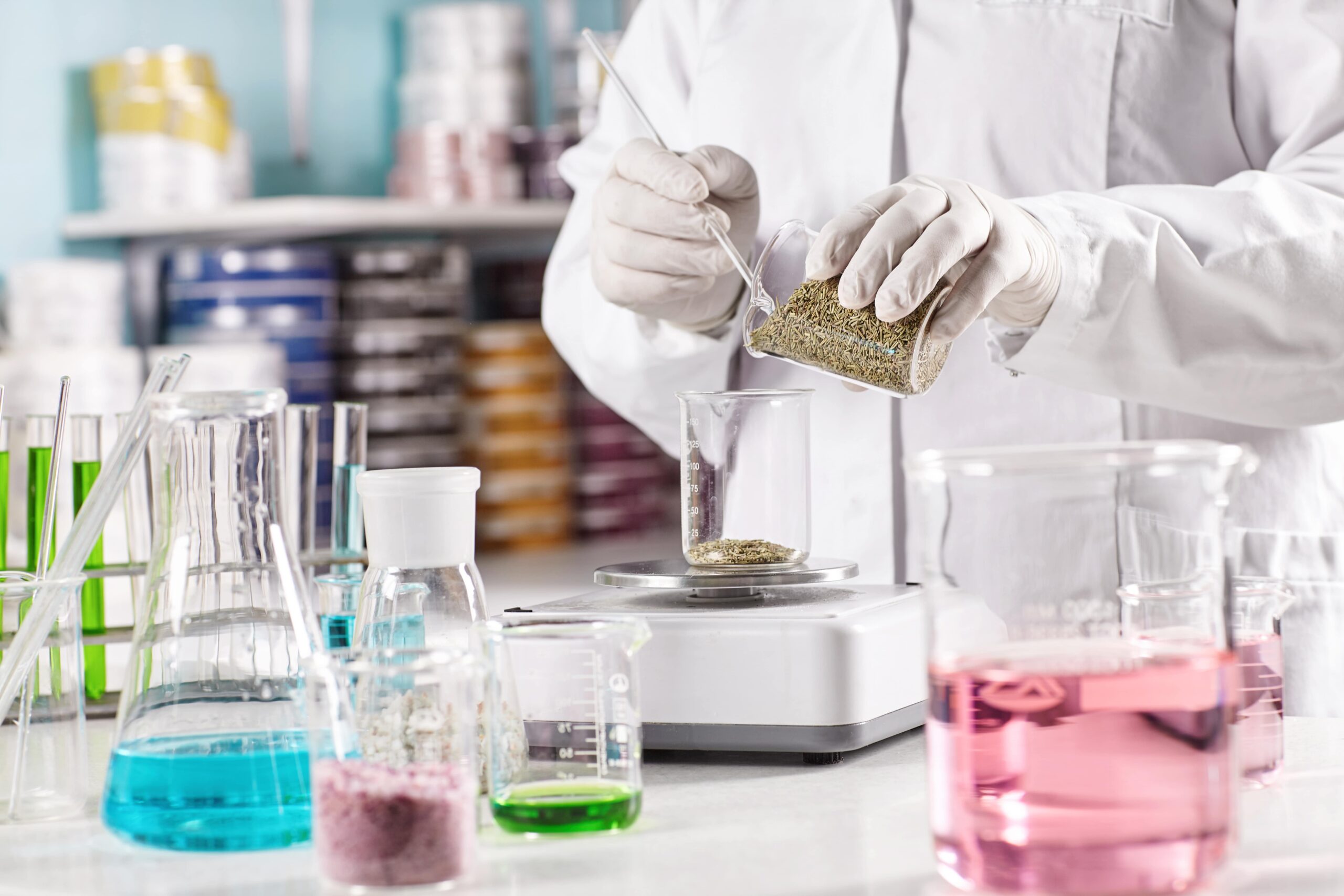
Herbal testing involves a comprehensive analysis of herbal products to determine their purity, potency, and safety. A herbal testing laboratory uses various methods to verify the quality of the ingredients, ensuring that they meet established safety standards and contain the correct amount of active compounds.
Here are some of the key reasons why herbal testing is crucial:
- Verification of Active Ingredients: Herbal testing ensures that the product contains the correct amount of active compounds and that the plant material used is authentic.
- Safety for Consumers: Contaminants such as pesticides, heavy metals, and microbial pathogens can be harmful if present in herbal products. Testing ensures that the product is free from harmful substances.
- Compliance with Regulations: Various countries have stringent regulations governing the production and sale of herbal products. Testing ensures that products meet these regulations, preventing legal issues for manufacturers.
- Consumer Confidence: Thorough testing builds trust with consumers, who are becoming increasingly aware of the importance of knowing what goes into their products. Accurate labeling, backed by reliable testing, provides consumers with the information they need to make informed choices.
Types of Herbal Testing Conducted by Accredited Laboratories
Herbal product testing is a multifaceted process that includes several different types of analyses to ensure the product’s quality and safety. Let’s explore some of the most commonly conducted tests in herbal testing laboratories.
1. Identity Testing
Identity testing is essential to verify that the plant material in the product is what it claims to be. This prevents the substitution of a less potent or entirely different plant. Advanced techniques like DNA barcoding and microscopy are used to confirm the identity of the herbs.
2. Purity Testing
Purity testing ensures that the herbal product is free from harmful contaminants such as heavy metals (e.g., lead, mercury, arsenic), pesticides, and microbial contamination (bacteria, fungi, yeast). This type of testing is critical for protecting consumer health and maintaining the integrity of the product.
3. Potency Testing
Potency testing measures the concentration of active ingredients in herbal products. This ensures that the product is effective and that consumers receive the desired therapeutic benefits. For example, it could involve testing the concentration of active compounds like curcumin in turmeric or anthocyanins in blueberries.
4. Microbial Testing
Microbial testing identifies harmful bacteria, fungi, and other pathogens that may be present in the herbal product. Aflatoxin testing, for instance, is vital as it checks for dangerous fungal toxins that could be harmful to health.
5. Stability Testing
Stability testing determines how the herbal product behaves over time under various environmental conditions, such as temperature and humidity. This testing ensures that the product maintains its quality and safety throughout its shelf life.
Why Choose ITC Labs for Herbal and Ayurveda Testing?
As a leader in the herbal and Ayurveda testing services, ITC Labs offers comprehensive testing solutions that ensure your herbal products are safe, effective, and compliant with industry standards. With a state-of-the-art facility and a team of skilled scientists, chemists, and microbiologists, ITC Labs is equipped to perform a wide range of tests, including physico-chemical, microbiological, heavy metal, aflatoxin, pesticide residue, and phytochemical evaluations.
ITC Labs is known for its exceptional capabilities in Ayurvedic product testing, ensuring that both raw materials and finished products meet Indian Pharmacopoeia (IP) standards. Their expertise spans across:
- API (Active Pharmaceutical Ingredient) Identification: ITC Labs specializes in identifying and verifying the active compounds in herbal products, ensuring that the ingredients are as per the product’s claims.
- Pesticide Residue Testing: ITC Labs performs testing on 34 types of pesticides, including 17 organic phosphorus compounds and 17 organic chlorine compounds, guaranteeing that products are free from harmful residues.
- Heavy Metal and Aflatoxin Testing: The lab conducts thorough analyses to ensure that products are within permissible limits for heavy metals and aflatoxins, safeguarding consumer health.
- Advanced Analytical Techniques: The lab uses cutting-edge technologies such as CAMAG HPTLC, a sophisticated tool available in only 5% of labs in India, for qualitative, quantitative, and identification tests on a wide range of herbal formulations.
This combination of scientific rigor and regulatory knowledge allows ITC Labs to provide the highest level of testing, helping manufacturers ensure their products are compliant, safe, and of the highest quality.
Benefits of Using ITC Labs for Herbal Product Testing
- Industry-Leading Expertise: ITC Labs brings years of experience in the field of herbal and Ayurvedic product testing, ensuring reliable results and actionable insights.
- Comprehensive Testing Solutions: From identity testing to stability analysis, ITC Labs provides a full spectrum of testing services, making it a one-stop shop for all your herbal testing needs.
- Accreditation and Compliance: ITC Labs is accredited to perform tests that comply with international regulatory standards, ensuring that your products meet the required safety benchmarks.
- Consumer Trust and Brand Reputation: By ensuring the highest quality through testing, ITC Labs helps businesses build consumer trust and enhance their brand reputation in the competitive herbal products market.
How Herbal Testing Improves Brand Reputation
In today’s competitive herbal products market, consumers are increasingly looking for products that are safe, authentic, and of the highest quality. Herbal product testing and certification play a vital role in building consumer trust. Products tested by accredited labs such as ITC Labs provide transparency, confirming that they meet stringent safety standards.
For manufacturers, obtaining certification from a reliable quality assurance testing laboratory not only meets regulatory requirements but also adds value to the brand. Consumers are more likely to purchase products that carry a certification from an accredited lab, knowing that the product has undergone rigorous testing for quality and safety.
Conclusion
Herbal testing is an indispensable part of the natural products industry. It ensures that herbal products are not only safe and effective but also comply with industry standards and regulatory guidelines. Testing protects consumers from harmful contaminants and ensures that the claims made on product labels are accurate. For companies looking to lead the market in product quality and safety, partnering with an accredited herbal testing laboratory like ITC Labs offers a significant advantage. ITC Labs’ advanced testing services, experienced team, and commitment to quality make it an excellent choice for ensuring your herbal products meet the highest standards.
Frequently Asked Questions (FAQs)
- What is the importance of herbal product testing?
Herbal testing ensures that products meet safety, quality, and regulatory standards. It checks for contaminants, verifies the identity and potency of active ingredients, and guarantees that the product is safe for consumption. - Why should I choose ITC Labs for Ayurvedic and herbal product testing?
ITC Labs offers comprehensive testing services, including advanced technologies like CAMAG HPTLC, pesticide residue testing, and heavy metal analysis. Their team of experts ensures that your products meet the highest safety and quality standards. - What types of tests are conducted in herbal testing?
Herbal testing includes identity tests, purity tests, potency tests, microbial tests, and stability tests. These tests help ensure the product is authentic, safe, and effective. - How does ITC Labs ensure compliance with industry standards?
ITC Labs is accredited and conducts testing that adheres to international standards, including the Indian Pharmacopoeia (IP) standards. Their testing procedures ensure your products comply with regulatory requirements. - How can herbal product testing enhance my brand’s reputation?
By providing transparency and proof of quality, herbal product testing from an accredited lab like ITC Labs helps build consumer trust, which can lead to increased sales and improved brand reputation.