
In 2026, with the textile industry evolving rapidly due to advancements in technology, sustainability concerns, and global trade regulations, textile testing labs are more important than ever. Whether you’re a manufacturer, exporter, fashion brand, or consumer, understanding how a textile testing laboratory operates and why it matters can make all the difference in ensuring quality, safety, and compliance.
Textile testing is no longer optional—it’s an industry standard. From textile fabric testing to textile clothing testing, reliable results from a certified quality assurance testing laboratory help maintain product integrity, meet regulatory standards, and satisfy end-user expectations.
What Is Textile Testing?
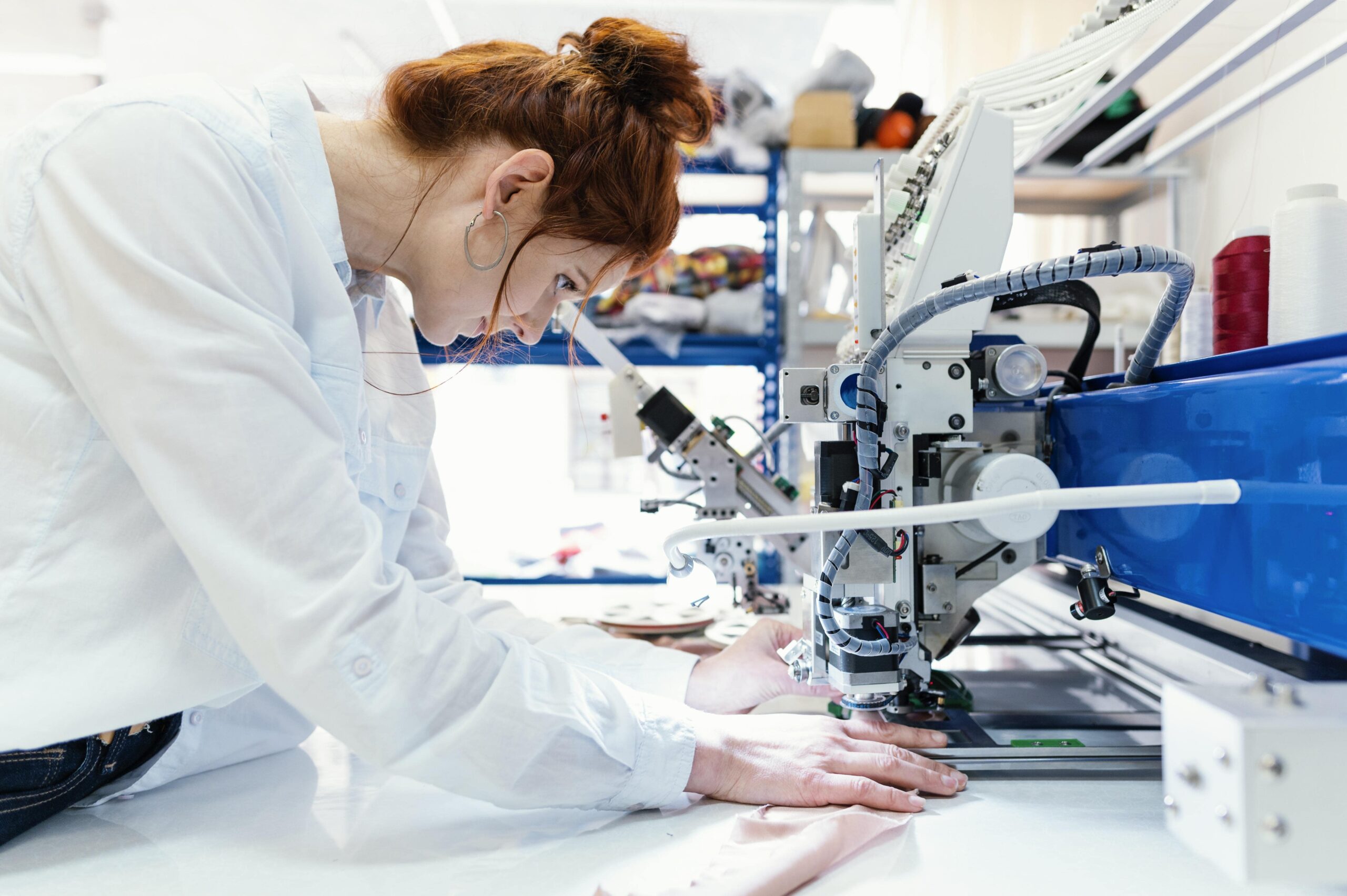
Textile testing is the scientific analysis and evaluation of textile materials—fibers, yarns, fabrics, and finished garments—to determine their quality, safety, performance, and compliance. These tests are conducted in specialized facilities known as textile testing labs or analytical testing labs.
Depending on the product and industry requirements, tests may assess parameters such as:
- Strength and durability
- Colorfastness to light, washing, or rubbing
- Shrinkage or dimensional stability
- Flammability
- Moisture absorption and wicking
- Chemical and allergen residues
- Fabric weight and thickness
These results help brands make informed decisions, ensure safety for consumers, and comply with both national and international regulatory bodies.
Why Textile Testing Matters in 2026
1. Rising Demand for Quality Assurance Testing
With increasing awareness about sustainable and ethical fashion, today’s consumers demand high-quality products. Brands can no longer afford to compromise on quality. Textile testing laboratories play a crucial role in verifying that every fabric roll or finished product meets strict quality assurance testing benchmarks.
For instance, a popular apparel brand may conduct textile clothing testing for colorfastness to prevent customer complaints about dye bleeding after one wash. This quality check happens at a quality assurance testing laboratory long before the product hits retail shelves.
Stringent Global Compliance and Export Regulations
Textiles and garments exported to the U.S., Europe, and other global markets must meet specific regulations. Failure to comply can lead to:
- Rejection at customs
- Penalties and legal consequences
- Damaged brand reputation
Textile testing labs help businesses stay compliant with international standards like:
- OEKO-TEX®
- ISO 17025
- AATCC (American Association of Textile Chemists and Colorists)
- EN (European Norms)
- REACH and CPSIA regulations
An NABL-accredited analytical testing lab provides the credibility exporters need to pass inspections and certifications across borders.
Product Development and R&D Support
For textile R&D teams, fabric testing is essential to innovation. Whether developing water-repellent sportswear or temperature-regulating bed linen, textile fabric testing gives manufacturers data-backed insights into performance.
Real-world example:
A startup in India developed antibacterial activewear and used a textile testing lab to verify efficacy against common bacteria. The test data not only improved product development but also became a key selling point in marketing.
Consumer Health and Safety
Testing fabrics for harmful chemicals like formaldehyde, azo dyes, or heavy metals ensures clothing is safe for prolonged skin contact—especially important for baby clothes, innerwear, and medical textiles.
Certified textile testing laboratories evaluate products under international standards to check for these substances. Testing also verifies flammability levels, especially in school uniforms, curtains, and upholstery—reducing fire hazards.
Sustainability and Eco-Labels
In 2026, sustainable production isn’t just a trend—it’s a necessity. Certifications like GOTS (Global Organic Textile Standard) and OEKO-TEX® require rigorous textile testing to validate organic or eco-friendly claims.
Textile testing labs offer traceability and assurance for eco-labels, helping brands establish credibility in a competitive green market.
Common Types of Textile Testing Performed in Labs
A comprehensive textile testing laboratory offers various assessments depending on the material and use case. Some of the most common include:
| Type of Test | Purpose |
| Tensile Strength Testing | Checks how much force fabric can withstand before tearing |
| Colorfastness Testing | Measures resistance to fading or running when washed, rubbed, or exposed to light |
| Dimensional Stability | Assesses shrinkage after washing or drying |
| Flammability Testing | Determines how easily the fabric catches fire |
| pH Value | Ensures fabric pH is within safe range for skin contact |
| Chemical Residue Testing | Identifies presence of restricted substances (e.g. azo dyes, formaldehyde) |
| Abrasion Resistance | Tests how fabric performs under friction over time |
| Moisture Management Testing | Measures wicking ability and drying time |
Each test provides critical data points that feed into product design, quality control, and regulatory documentation.
Role of Analytical Testing Labs in Textile Quality
An analytical testing lab is essential not only for textiles but also for cross-industry quality control, offering scientific testing capabilities such as:
- Fiber composition analysis
- Microscopic fabric analysis
- Thermal and chemical property testing
- Spectroscopic identification of dyes and chemicals
By outsourcing to a qualified analytical testing lab, textile companies gain access to high-end equipment and unbiased test reports essential for quality assurance testing and audits.
Real-World Use Case: Textile Testing in the Fashion Industry
A leading global fashion brand working with suppliers in India uses third-party textile testing laboratories to ensure consistency across their product lines.
Their process includes:
- Random batch sampling from each supplier
- Tests for colorfastness, shrinkage, and chemical residues
- Quality checks before international shipping
As a result, the brand has minimized returns and quality complaints by over 40%, and built strong consumer trust globally.
Future Trends in Textile Testing – What to Expect in 2026
As we move forward, textile testing will continue to adapt. Here are some emerging trends:
- Digital Textile Testing: Rapid on-site testing with portable equipment
- AI in Quality Control: Machine learning to detect defects in real time
- Eco-Certification Integration: Testing labs offering bundled services for sustainability audits
- Smart Textiles Testing: Testing wearable tech and embedded sensors in fabrics
As innovation increases, choosing a competent textile testing lab will be crucial for staying competitive.
Conclusion: Choose a Trusted Partner Like ITC Labs
In a quality-driven, regulation-heavy textile world, having a reliable textile testing lab is non-negotiable. Whether you’re producing everyday apparel, medical textiles, or high-performance fabrics, testing provides the data needed for smarter decisions and safer products.
If you’re seeking a trustworthy, NABL-accredited partner in India, ITC Labs has been the trusted leader in quality assurance testing and offering comprehensive quality assurance testing and compliance services. From textile fabric testing to analytical testing lab services, ITC Labs ensures that your products meet both local and global standards.
Frequently Asked Questions (FAQs)
1. What is the purpose of textile testing?
Textile testing ensures that fabrics and garments meet quality, safety, and regulatory standards. It provides objective data on performance, durability, chemical safety, and comfort.
2. How do I choose the right textile testing lab?
Look for an NABL-accredited, ISO 17025-certified textile testing laboratory with experience in your specific product category and access to international testing protocols.
3. Is textile testing mandatory for exports?
Yes, for many countries. Regulatory bodies like REACH (EU) or CPSIA (USA) require specific test results for imported textiles.
4. What is the cost of textile testing?
Costs vary depending on the type of tests required and the sample quantity. Basic tests may start from ₹500–₹2000 per parameter in India.
5. Can textile testing labs test finished garments?
Absolutely. Textile clothing testing includes evaluating full garments for washability, wearability, chemical safety, and physical strength.
6. What does NABL accreditation mean?
NABL (National Accreditation Board for Testing and Calibration Laboratories) ensures the lab meets quality management and technical competence standards. It’s a mark of credibility and reliability.