
Are you confident that the water you and your family drink every day is truly safe? From invisible contaminants to harmful bacteria, water may contain more than what meets the eye. This is where a professional water testing service becomes essential—not just for peace of mind but for health, safety, and regulatory compliance. Whether it’s your home’s drinking water, industrial process water, or rural groundwater supply, understanding what’s in your water through testing of drinking water is the first step toward safeguarding your health and environment.
In this blog, we will uncover the importance of water testing, how it works, why it matters, and how to choose the right water testing lab. We’ll also introduce you to ITC Labs, one of the leading Govt approved water testing labs near you, offering highly accurate and reliable water analysis services.
Why Water Testing Service Is Critical for Your Health and Safety
Water is essential for life—but untested water can become a silent carrier of waterborne diseases, toxic chemicals, and harmful pathogens. According to the World Health Organization (WHO), unsafe water is linked to more than 500,000 diarrheal deaths each year. In India, contaminated water continues to be a major public health issue, contributing to illnesses like cholera, typhoid, hepatitis, and fluorosis.
A professional water testing service helps identify these contaminants, ensuring the water meets both national and international safety standards. It is especially important in:
- Residential homes using borewells or private tanks
- Commercial spaces and industries needing process water testing
- Agricultural setups concerned about pesticide residues
- Healthcare and hospitality sectors bound by strict hygiene regulations
- Rural areas with limited access to municipal water treatment
Regular compliance monitoring helps mitigate health risks and maintain legal and environmental accountability.
What Can Be Found in Contaminated Water?
Contaminated water can cause a range of health issues, from minor skin irritation to life-threatening diseases. Here’s what can be lurking in your water:
1. Microbiological Contaminants
- Bacteria (e.g., E. coli)
- Viruses
- Parasites
These can lead to gastrointestinal illnesses, especially in children and elderly populations.
2. Chemical Pollutants
- Heavy metals: Lead, mercury, cadmium
- Pesticides and herbicides
- Industrial solvents
Often sourced from nearby industrial activity or outdated plumbing systems, these are harmful even in small doses.
3. Physical Parameters
- Turbidity
- Color
- Odor
- Taste
While these don’t always indicate danger, changes in physical appearance can signal deeper issues.
4. Radioactive Elements
- Radon or uranium may be present in some groundwater systems.
Regular water analysis services can detect these elements early and help you take corrective action before they impact health.
Different Types of Water Testing Services Available
1. Testing of Drinking Water
This is the most common and essential type. It checks for microbial, chemical, and physical parameters to ensure safety and palatability.
2. Process Water Testing
Industries require specific water quality for processes like manufacturing, cleaning, or heating. Any deviation in pH, hardness, or microbial content can damage machinery or alter product quality.
3. Compliance Monitoring
Government bodies and environmental regulators mandate periodic testing to ensure that water meets the specified standards. Businesses failing to comply may face fines, shutdowns, or reputational loss.
4. Hazardous Waste Testing
If your water source is near an industrial or landfill site, testing for hazardous chemicals and waste is vital. Hazardous waste testing ensures your water isn’t affected by leachate or chemical runoffs.
5. Routine Water Quality Monitoring
Essential for municipal water suppliers, housing societies, hospitals, and food businesses. A good laboratory for water testing can offer scheduled or on-demand monitoring programs.
Understanding the Water Testing Process
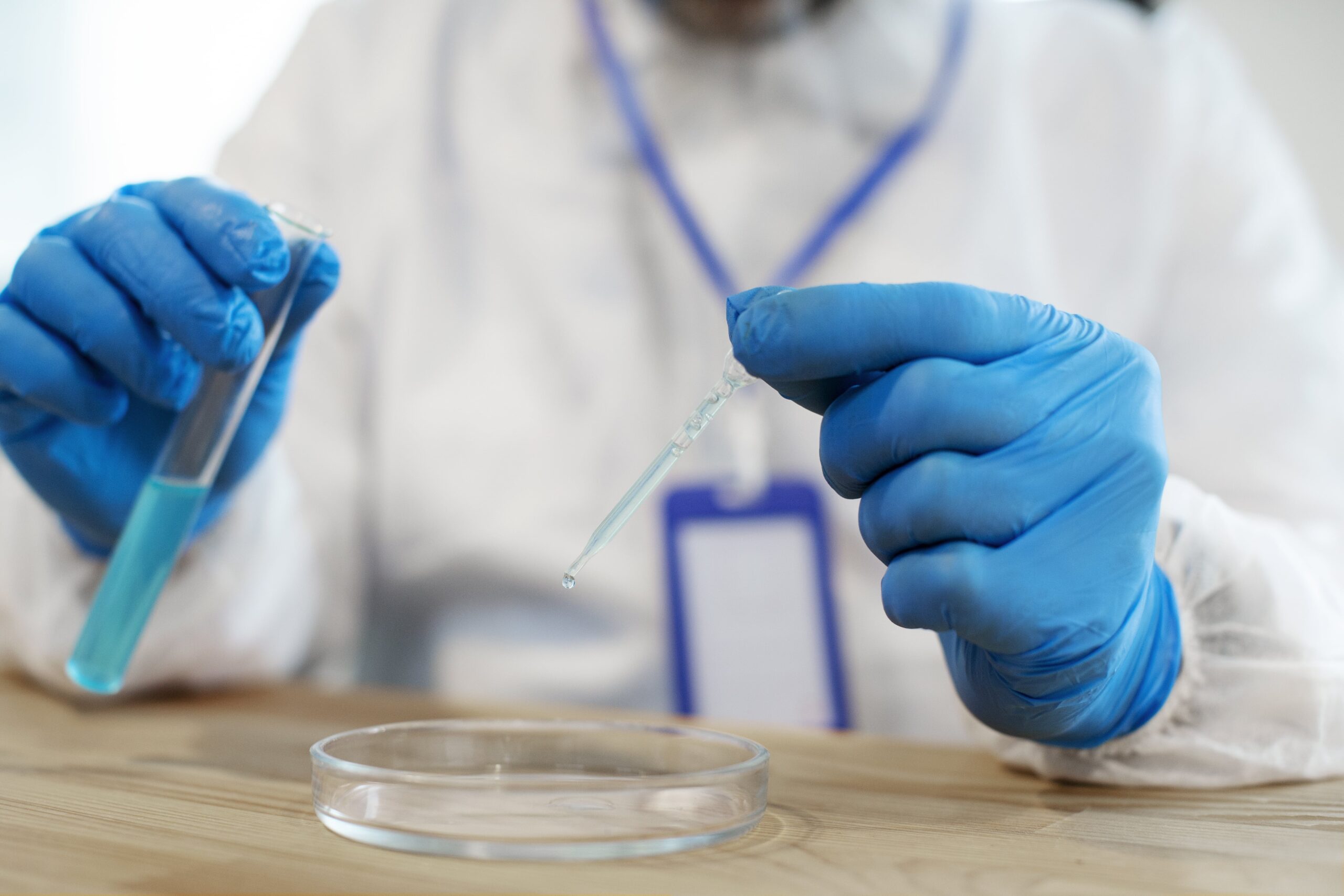
Here’s how a typical water testing laboratory operates:
-
Sample Collection
- Collected by trained professionals or guided DIY kits
- Sterile containers are used to avoid contamination
-
Laboratory Analysis
- Samples are tested using equipment like spectrophotometers, AAS (Atomic Absorption Spectroscopy), GC-MS, and ICP-OES
- Tests are done for pH, TDS, microbial load, chemical content, and heavy metals
-
Quality Control
- Double-checking through parallel tests and control samples
- Some labs, like ITC Labs, use eLABSS -LIMS software for maximum transparency
-
Report Generation
- Comprehensive digital or printed reports are delivered
- Includes reference values, results, and recommendations
How Often Should You Test Your Water?
- Residential: Every 6-12 months, especially if using borewell or tank water
- Industrial: Quarterly or monthly, depending on process sensitivity
- Commercial and institutional: As per regulatory norms and internal SOPs
- After Plumbing Renovations: Always retest water after any changes to your plumbing or source
What to Look for in a Water Testing Lab?
Choosing the right water testing lab is essential. Here’s what you should look for:
- Government Approval: Always opt for a Govt approved water testing lab near you
- Scope of Services: Do they offer microbiological, chemical, physical, and hazardous waste testing?
- Turnaround Time: Efficient labs deliver within 48–72 hours
- Technology and Equipment: Modern tools like eLABSS-LIMS ensure quality and traceability
- Certifications: ISO/IEC 17025 accreditation, NABL certification
- Transparency: Detailed reports with interpretation and next-step guidance
Real-Life Example: Water Contamination in Urban Areas
In 2024, a large urban housing society in Delhi reported a spike in gastrointestinal complaints. On investigation, a water testing laboratory found E. coli and high nitrate levels in the overhead tank water. Thanks to timely water analysis services, the issue was rectified with shock chlorination, pipeline cleaning, and source change.
This is a real example of how proactive testing of drinking water can prevent health crises.
Why Choose ITC Labs for Water Testing?
At ITC Labs, we understand that clean water isn’t just a basic need—it’s your right.
With expertise in diverse water testing requirements, our qualified team of scientists and analysts ensure accurate results for every sample. Our labs are equipped with top-tier instruments, machinery, and advanced testing tools specifically designed for various water types. From receiving the sample to delivering the report, we maintain accuracy through multiple quality assurance steps and expert reviews.
We follow a customer-first approach, offering water testing solutions across both rural and urban areas and across multiple industries—from healthcare and food to manufacturing and agriculture. All our tests are conducted following both national and international compliance standards to help meet regulatory and quality benchmarks.
For convenience and transparency, we have implemented eLABSS-LIMS software that gives you real-time updates and accurate digital reporting. Our services go beyond just testing—we provide actionable insights to ensure long-term water safety.
Final Thoughts: Don’t Just Guess — Test Your Water
Water can look clean and still carry harmful substances. The only way to ensure safety is through professional water testing services that offer scientific insight, legal compliance, and peace of mind. Whether it’s for your family or your factory, water testing isn’t an option—it’s a necessity.
If you’re looking for a trusted and Govt approved water testing lab near you, ITC Labs is your ideal partner. With our expert team, cutting-edge equipment, and commitment to transparency, we make water testing simple, fast, and reliable.
Frequently Asked Questions (FAQs)
1. What is the cost of water testing service for home use?
Prices can vary depending on the number of parameters tested. Basic packages range from ₹500 to ₹10000. ITC Labs offers customized packages for residential needs.
2. How long does it take to get the water testing results?
Typically, it takes 48–72 hours depending on the complexity of tests. Labs like ITC Labs offer fast turnaround without compromising on quality.
3. Can I test water myself with a DIY kit?
While kits are available, they lack accuracy. It’s always better to approach a certified water testing laboratory for reliable results.
4. What kind of contaminants are usually found in drinking water?
Common contaminants include bacteria (E. coli), lead, nitrates, arsenic, chlorine byproducts, and more. Only proper testing of drinking water can detect them.
5. Is ITC Labs a Govt approved water testing lab near me?
Yes. ITC Labs is a Govt approved facility and complies with all necessary accreditation standards for water and environmental testing.
6. How often should industries opt for process water testing?
Depending on your sector, it may be monthly, quarterly, or bi-annually. ITC Labs helps design custom compliance monitoring schedules.