
Introduction: Why a Packaging Material Testing Lab Is Essential Today
A packaging material testing lab plays a critical role in ensuring that plastic, paper, and flexible packaging materials are safe, compliant, durable, and fit for their intended use. Whether it’s food, pharmaceuticals, or consumer goods, packaging is often the first point of contact between a product and the end user. Packaging material testing helps manufacturers meet regulatory requirements, reduce product failures, and protect brand reputation. While testing answers immediate compliance questions, there’s much more behind how packaging testing labs safeguard quality, safety, and performance across industries—which we’ll explore throughout this blog.
Understanding Packaging Material Testing
Packaging material testing is the scientific evaluation of packaging materials to ensure they meet functional, regulatory, and safety standards. It examines how materials behave under real-world conditions such as heat, humidity, pressure, and transportation stress.
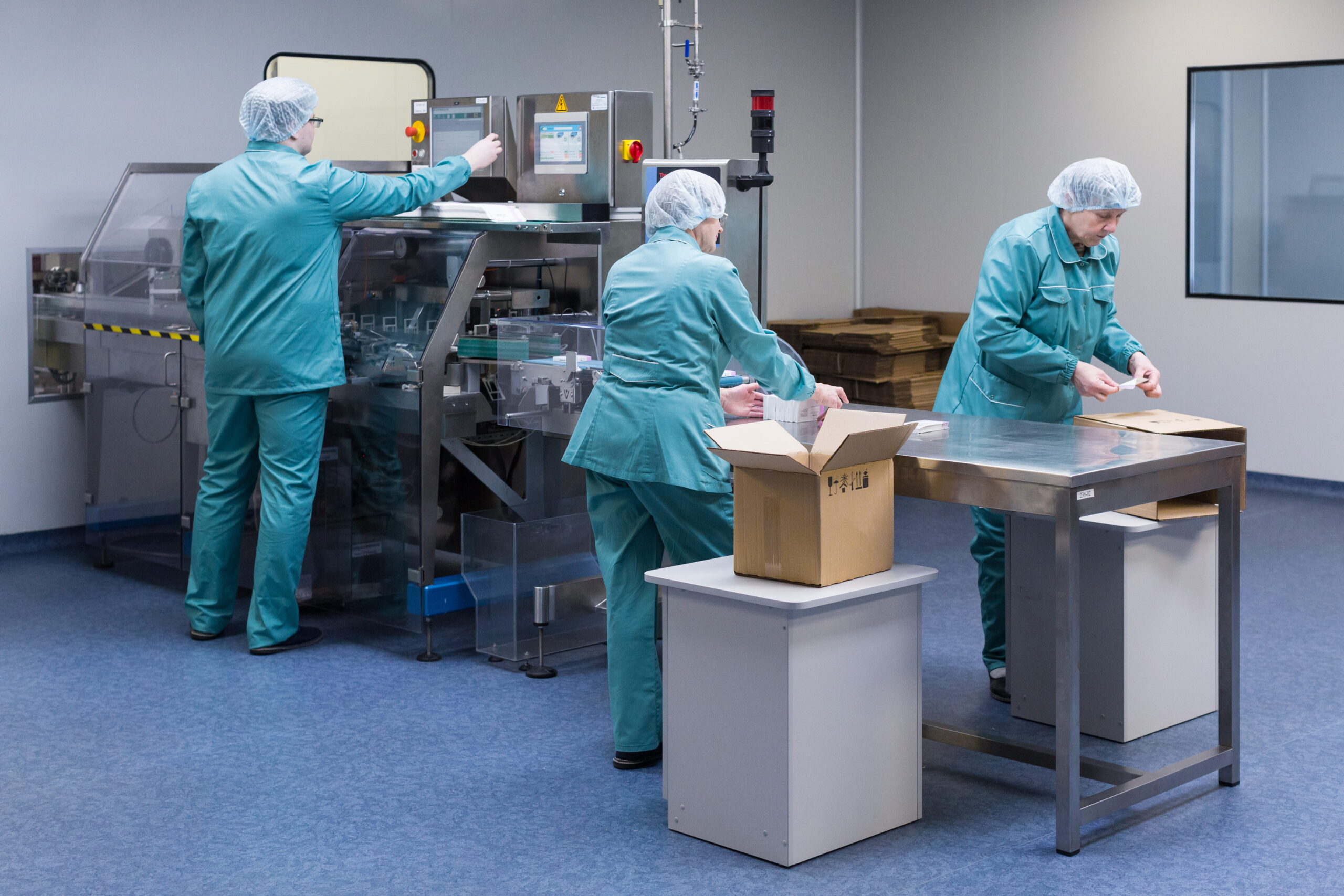
A professional packaging material testing lab operates as a quality assurance testing laboratory, combining mechanical, chemical, and analytical testing to verify that packaging materials do not compromise product integrity.
Real-world example
A food manufacturer using plastic films for ready-to-eat meals must ensure that the packaging does not release harmful substances into food. Testing for overall and specific migration in an accredited testing lab helps prevent regulatory violations and consumer health risks.
Role of a Packaging Material Testing Lab in Modern Industries
A certified packaging material testing lab supports industries such as:
- Food & Beverage
- Pharmaceuticals
- Cosmetics
- FMCG
- Industrial and export packaging
By acting as an analytical testing lab, it ensures materials comply with national and international standards while also meeting performance benchmarks.
Key benefits include:
- Regulatory compliance
- Improved shelf life
- Reduced recalls
- Enhanced customer trust
Packaging Material Testing for Plastic Packaging
Plastic packaging is widely used due to its flexibility, durability, and cost-effectiveness. However, plastics require extensive testing due to their direct contact with products—especially food.
Tests Conducted in a Packaging Material Testing Lab for Plastics
A professional packaging testing lab evaluates plastic materials through:
- Overall Migration Testing (IS 9845)
- Specific Migration to Heavy Metals
- Color Migration Testing (IS 9833)
- Tensile Strength & Elongation (IS 2508)
- Low-Density Polyethylene (LDPE) Film Testing
These tests ensure that plastics like PET, PVC, PP, HDPE, LDPE, Nylon, EVA, and cling films are safe for use.
Regulatory relevance
According to Food Safety and Standards (Packaging) Regulations, 2018, all food business operators must ensure plastic packaging complies with defined safety limits. A NABL accredited lab in India ensures accurate, recognized test results.
Packaging Material Testing for Paper and Board Packaging
Paper and board materials are commonly used for dry food, secondary packaging, and sustainable solutions. However, paper packaging must also be tested to avoid contamination risks.
Testing Parameters in a Packaging Material Testing Lab
- Grammage and Thickness
- Bursting Strength
- Water Vapor Transmission Rate (WVTR)
- Ink Adhesion and Resistance
- Migration Testing for Food Contact
A quality assurance laboratory verifies that paper packaging does not absorb moisture excessively or transfer harmful inks and chemicals to food.
Real-world insight
Many exporters face rejection due to ink bleeding or moisture failure during transit. Testing in packaging testing labs minimizes such risks before mass production.
Flexible Packaging Testing: A Critical Requirement
Flexible packaging combines multiple layers such as plastic films, aluminum foil, and paper. While highly efficient, it demands advanced packaging testing methods.
Key Tests for Flexible Packaging
- Seal Strength Testing
- Puncture Resistance
- WVTR & OTR Testing
- Ink Adhesion as per IS 14636
- Migration Testing for Multilayer Films
A well-equipped analytical testing lab evaluates how these layers interact under stress, ensuring packaging integrity throughout the product lifecycle.
ISTA Packaging Testing and Transport Simulation
ISTA packaging testing is essential for transport and logistics validation. It simulates real-world shipping conditions such as vibration, compression, and drop impacts.
Why ISTA Packaging Testing Matters
- Prevents transit damage
- Reduces product returns
- Ensures export compliance
A certified packaging material testing lab performs ISTA tests to validate packaging strength for domestic and international distribution.
Importance of Accredited Testing Labs
Choosing an accredited testing lab is non-negotiable when compliance and credibility matter.
Why NABL Accreditation Matters
- Recognized by regulatory bodies
- Accurate and reliable results
- Global acceptance
NABL accredited labs in India operate under strict quality systems, making them a trusted choice for manufacturers seeking compliance with FSSAI, BIS, and international standards.
Packaging Regulations in India: What Businesses Must Know
The Food Safety and Standards (Packaging) Regulations, 2018, notified by FSSAI, mandate that:
- All food contact packaging materials comply with defined safety norms
- Primary packaging materials must undergo specific testing
- Compliance was mandatory from 1st July 2019
A packaging material testing lab helps food business operators interpret and meet these regulatory requirements efficiently.
Packaging Material Testing as a Quality Assurance Process
A quality assurance testing laboratory doesn’t just test—it prevents failures.
How Packaging Testing Supports QA
- Identifies material weaknesses early
- Ensures batch-to-batch consistency
- Supports supplier qualification
For growing brands, packaging testing labs become long-term partners in maintaining quality and customer confidence.
How to Choose the Right Packaging Material Testing Lab
When selecting a packaging material testing lab, look for:
- NABL accreditation
- Experience with plastic, paper, and flexible packaging
- In-house analytical testing lab capabilities
- Knowledge of FSSAI and BIS standards
The right lab doesn’t just test—it advises and supports compliance strategies.
Why ITC Labs Is a Trusted Packaging Material Testing Lab
With over three decades of technical expertise, ITC Labs is a leading name in packaging material testing and regulatory compliance.
ITC Labs Testing Capabilities
ITC Labs offers comprehensive testing services, including:
- Overall Migration as per IS 9845
- Color Migration as per IS 9833
- Specific Migration to Heavy Metals
- LDPE Film Testing as per IS 2508
- Water Vapor Transmission Rate (IS 1060 Part 2)
- Tensile Strength & Elongation
- Ink Adhesion & Product Resistance (IS 14636 & others)
As an accredited testing lab, ITC Labs supports food business operators in meeting FSSAI Packaging Regulations, 2018 efficiently and reliably.
For testing support, manufacturers can reach ITC Labs at sales@itclabs.com with details of their packaging materials.
Conclusion: Choosing the Right Packaging Material Testing Partner
A reliable packaging material testing lab is essential for ensuring safety, compliance, and performance across plastic, paper, and flexible packaging. From regulatory adherence to quality assurance, packaging testing is no longer optional—it’s a business necessity.
For organizations seeking a trusted, experienced, and accredited testing lab, ITC Labs stands out with its strong technical expertise, regulatory knowledge, and comprehensive testing services. Partnering with ITC Labs helps businesses meet compliance requirements confidently while safeguarding product quality and consumer trust.
Frequently Asked Questions (FAQs)
1. What is a packaging material testing lab?
A packaging material testing lab evaluates packaging materials for safety, performance, and regulatory compliance using standardized testing methods.
2. Is packaging material testing mandatory in India?
Yes. Under FSSAI Packaging Regulations, 2018, food business operators must ensure packaging materials comply with prescribed safety standards.
3. Why should I choose a NABL accredited lab in India?
NABL accredited labs in India provide reliable, recognized test results accepted by regulatory authorities and global markets.
4. What materials require packaging testing?
Plastic, paper, board, glass, metal, and flexible packaging materials—especially those in direct contact with food—require testing.
5. How does packaging testing improve product safety?
Packaging testing prevents chemical migration, material failure, and contamination, ensuring consumer safety and brand protection.