
Waterborne diseases are one of the leading causes of illness and death worldwide, with millions of people affected annually. In many cases, these diseases can be prevented through proper water quality monitoring and microbiological testing. Microbiological testing labs play a vital role in detecting harmful microorganisms in water sources that could otherwise go unnoticed, preventing potential outbreaks of diseases like cholera, dysentery, and typhoid.
In this blog, we will explore how microbiological testing helps identify harmful pathogens in water, why it’s essential for public health, and how industries like pharmaceuticals rely on microbiological testing laboratories to ensure safety. Whether you are a concerned consumer or part of a professional team, understanding the importance of microbiological testing can go a long way in safeguarding our health.
What is Microbiological Testing?
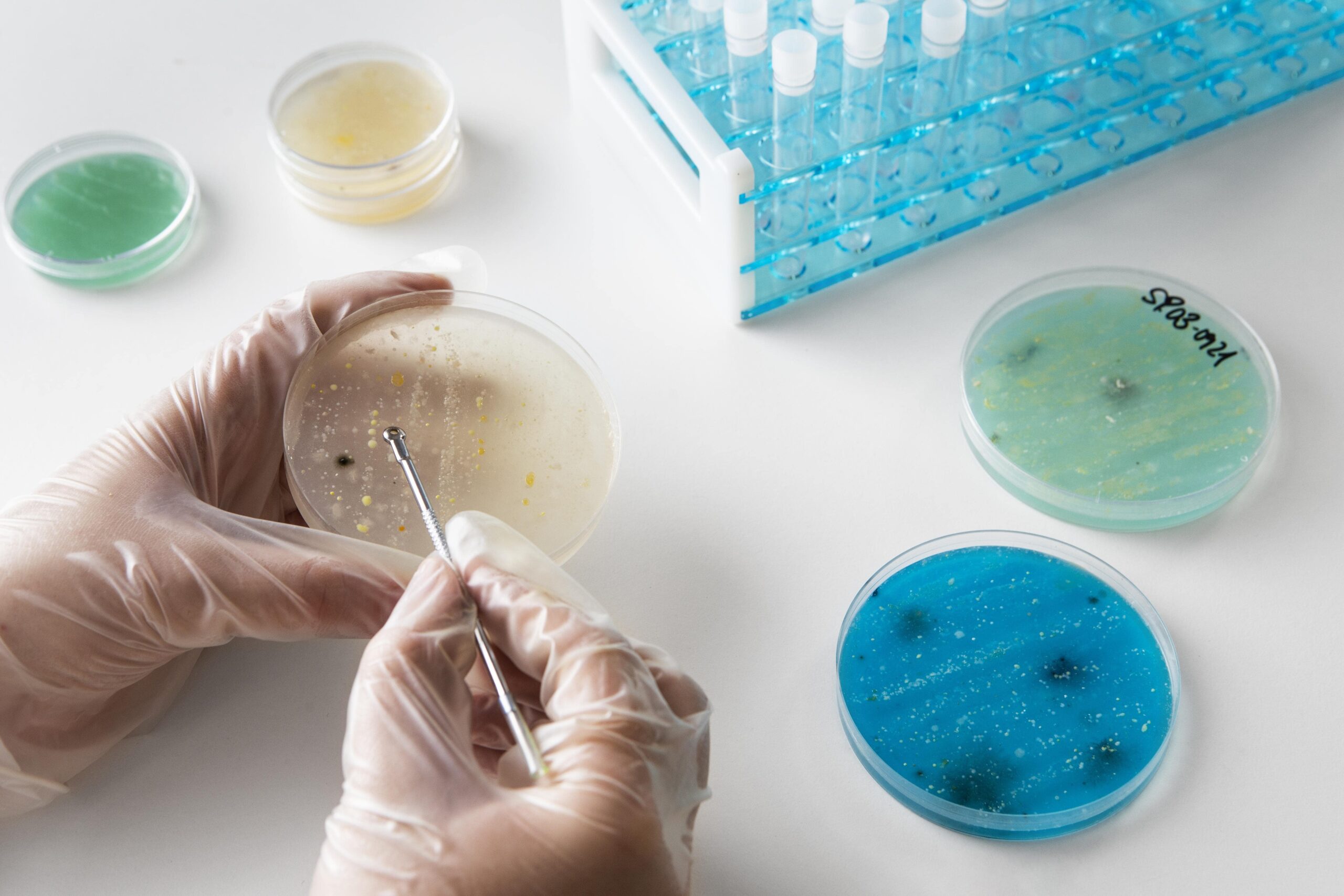
Microbiological testing involves analyzing samples to detect microorganisms, including bacteria, viruses, fungi, and parasites. In the case of waterborne diseases, this type of testing focuses primarily on identifying bacteria like Escherichia coli (E. coli), Salmonella, and Vibrio cholerae, which are known to cause severe infections when present in water sources.
For water quality testing, microbiological testing labs use methods such as water sample analysis, filtration, and culturing to isolate and quantify harmful organisms. This enables authorities and industries to determine whether water meets safe standards for human consumption or use.
Key Processes in Microbiological Testing in Water:
- Water Sample Collection: Proper collection techniques are crucial to ensure accurate results.
- Incubation and Culture: Water samples are incubated to promote microbial growth.
- Identification and Enumeration: The growth is identified through specific biochemical tests, and microbial counts are taken
How Microbiological Testing Prevents Waterborne Diseases
Microbial pathogens in water can lead to a range of diseases, from mild gastroenteritis to life-threatening conditions. Microbiological testing laboratories help prevent these diseases by identifying harmful microorganisms early and ensuring water safety.
a. Detection of Harmful Pathogens
Regular microbiological testing in public water systems helps identify pathogens before they can cause harm to the population. Pathogens such as E. coli and Salmonella are commonly found in contaminated water and can spread rapidly if not detected and treated.
For example, a water quality test conducted in an urban area might detect an increased level of E. coli bacteria, indicating contamination from sewage. This allows authorities to take swift action, such as issuing a boil-water advisory or shutting down contaminated water sources, which prevents a potential outbreak.
b. Ensuring Safe Drinking Water
Municipal water supplies are often tested at various stages, from the source water to the final distribution point. By regularly monitoring these sources for microbial contamination, authorities can prevent disease outbreaks. The process involves rigorous water sample analysis at microbiological testing laboratories to confirm the water’s safety.
c. Testing in High-Risk Environments
In areas with inadequate sanitation or where flooding frequently occurs, waterborne diseases pose a significant risk. Microbiological testing labs can conduct more frequent testing to ensure water remains safe, even under challenging conditions.
Microbiological Testing in the Pharmaceutical Industry
Pharmaceutical companies rely on microbiological testing laboratories to ensure that their products, including those that are water-based or consumed in liquid form, meet stringent safety standards. Contaminated water used in manufacturing processes can introduce harmful microorganisms into medicines, leading to severe health consequences.
For instance, water used in the formulation of vaccines or intravenous fluids must be free from microbial contamination. Microbiological testing in the pharmaceutical industry ensures that these products remain safe for use by the public.
a. Process Water Testing in Manufacturing
In the pharmaceutical industry, process water testing is conducted to ensure that water used in manufacturing or cleaning equipment does not carry harmful microorganisms that could contaminate products. This is an essential part of quality assurance testing.
b. Regulatory Compliance
Pharmaceutical companies must comply with regulatory guidelines for water quality. Laboratories specializing in microbiological testing provide critical data to ensure that companies meet these standards. Regular microbiological testing in the pharmaceutical industry not only ensures safety but also avoids costly product recalls or legal liabilities.
The Role of Microbiological Testing Laboratories in Environmental Health
Microbiological testing labs do more than just test drinking water. They also monitor water quality in natural bodies of water such as rivers, lakes, and oceans. These tests help assess the health of ecosystems and prevent the spread of waterborne diseases to both humans and animals.
a. Monitoring Water Quality for Public Health
Municipalities and environmental agencies rely on microbiological testing to monitor recreational waters (e.g., beaches, swimming pools). These bodies of water can harbor dangerous microorganisms, especially in high-traffic areas. Testing ensures that the water remains free of harmful bacteria and viruses that could cause illness in swimmers.
b. Environmental Waterborne Disease Outbreaks
In regions prone to heavy rainfall or flooding, contamination of natural water sources is a common issue. Microbiological testing labs monitor water quality in these regions, detecting harmful pathogens that might be present due to overflow or poor waste management. Early detection allows for timely interventions, protecting public health.
Microbiological Testing and Its Role in Food and Beverage Industries
Water plays a crucial role in food and beverage production. Whether used in processing, cleaning, or even as an ingredient, water quality is paramount. Contaminated water can introduce pathogens into food products, leading to foodborne illnesses.
a. Water in Food Processing
From the production of packaged beverages to dairy and meat processing, microbiological testing ensures the water used in food processing is free from harmful microorganisms. Even a small amount of contamination can lead to large-scale outbreaks, making regular water testing essential.
b. Water Quality Assurance Testing
Food manufacturers often rely on quality assurance testing labs to verify the microbial safety of their water. Regular testing helps ensure that the water does not introduce pathogens into the final product, thus ensuring consumer safety.
Benefits of Regular Microbiological Testing for Water Quality
Routine microbiological testing provides several benefits:
- Prevention of Disease: Early detection of harmful pathogens allows for prompt corrective actions, reducing the risk of disease outbreaks.
- Improved Public Health: Ensures that the water supply remains safe for consumption and recreational use, preventing widespread illness.
- Regulatory Compliance: Ensures adherence to health and safety regulations, preventing legal and financial repercussions.
- Environmental Protection: Safeguards aquatic ecosystems by monitoring the health of natural water bodies.
Conclusion
Microbiological testing is a cornerstone of public health, particularly in the prevention of waterborne diseases. Whether it’s in municipal water systems, food production, or the pharmaceutical industry, testing for harmful microorganisms can help prevent outbreaks and ensure that water remains safe for consumption.
Regular testing conducted by professional microbiological testing laboratories plays a pivotal role in ensuring that the water we drink and use is free from harmful pathogens. For industries that rely on clean water in their operations, such as food manufacturing and pharmaceuticals, maintaining a high standard of water quality is not just a regulatory requirement—it’s a critical part of maintaining consumer trust and ensuring safety.
If you’re concerned about the safety of your water supply or need professional microbiological testing services, ITC Labs can help. With over 36 years of experience in analytical and quality assurance testing, ITC Labs offers comprehensive microbiological testing solutions across various industries. Whether it’s water sample analysis, process water testing, or compliance with health regulations, we’ve got you covered.
Contact ITC Labs today for more information about our microbiological testing services. Our NABL-accredited laboratory ensures accurate, reliable, and timely results to help you maintain the highest water safety standards.
FAQ
What is microbiological testing for water?
Microbiological testing for water involves analyzing water samples to detect harmful microorganisms such as bacteria, viruses, and parasites. These pathogens can lead to waterborne diseases if present in drinking or recreational water. The tests identify these organisms to ensure that the water meets health and safety standards before it reaches the public.
How often should water be tested for microbial contamination?
The frequency of water testing depends on the water source and its usage. Public water systems are typically tested on a regular basis (weekly, monthly, or quarterly), especially for pathogens like E. coli. Private well owners and industries that rely on water for manufacturing should also conduct routine tests, especially if there are changes in water quality or following significant weather events like flooding.
Why is microbiological testing important in the pharmaceutical industry?
In the pharmaceutical industry, microbiological testing ensures that water used in the manufacturing of drugs, vaccines, and medical products is free from harmful microorganisms. Contaminated water can lead to the introduction of bacteria or viruses into products, posing serious health risks to consumers. Routine water testing in manufacturing and cleaning processes helps maintain product safety and regulatory compliance.
How does ITC Labs ensure the accuracy of microbiological testing results?
ITC Labs is a NABL – ISO / IEC 17025 accredited laboratory, ensuring that our microbiological testing services meet the highest international standards. We follow stringent protocols for water sample analysis, utilize state-of-the-art equipment, and maintain strict quality control measures throughout the testing process. This ensures reliable, accurate results that help prevent waterborne diseases and support regulatory compliance.