
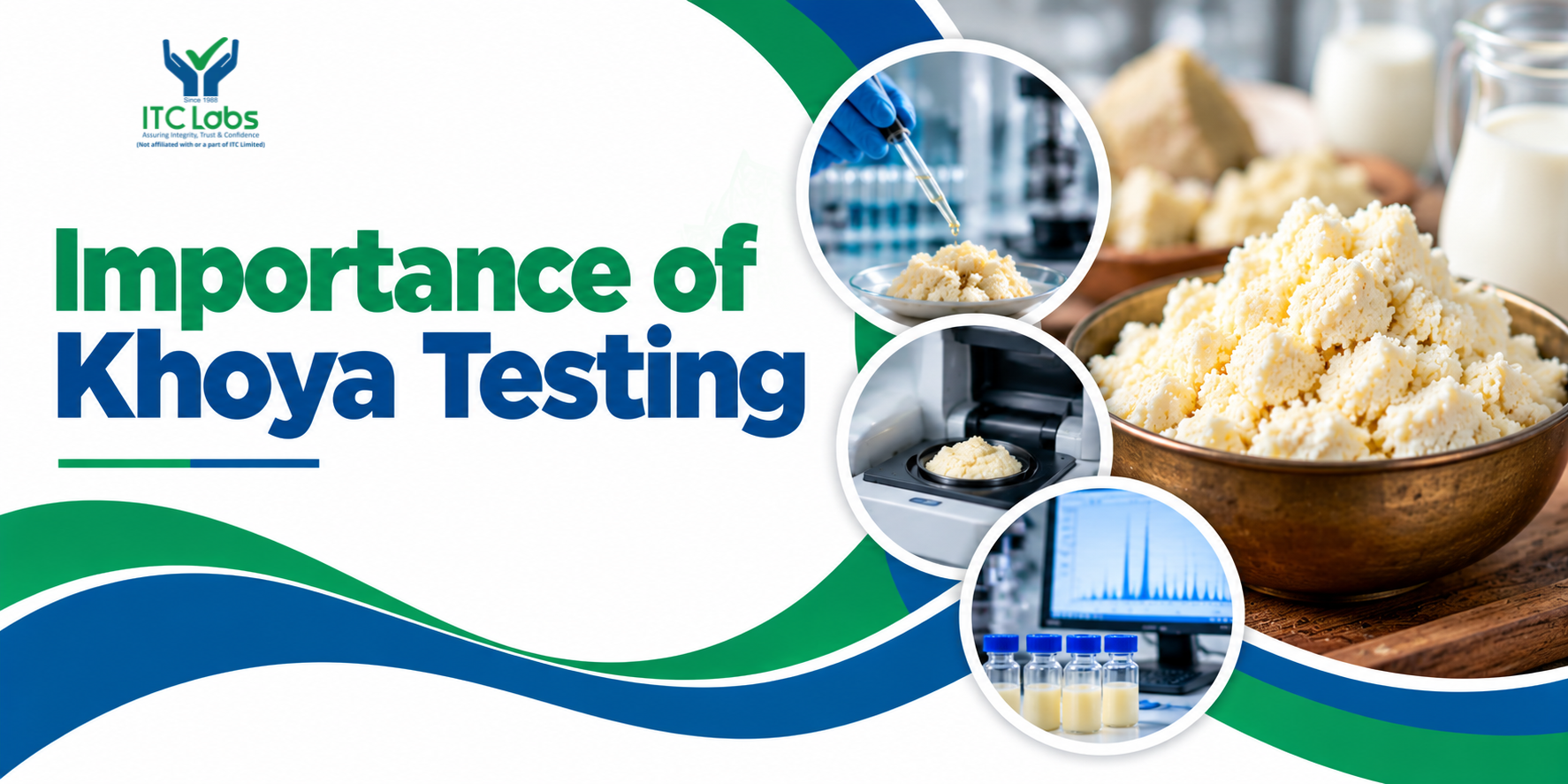
Diwali is a time for celebrations, family gatherings, and sharing traditional Indian sweets. From delicious Gulab Jamun and creamy Barfi to rich Peda and Kalakand, many of our favourite festive treats are made using khoya, also known as mawa. This concentrated milk product gives sweets their distinctive taste, rich texture, and creamy consistency.
However, with the increased demand for sweets during Diwali, ensuring the purity and quality of khoya becomes especially important. The use of adulterated, substandard, or improperly handled khoya can compromise the quality and safety of the final product.
So, how can you determine whether your mawa is pure? Khoya testing in a food testing laboratory helps evaluate its quality, identify specific adulteration concerns, and assess compliance with applicable food safety standards.
In this article, we explore why khoya testing matters, the potential risks of adulteration, the role of laboratory analysis, and how food businesses can prepare for a safer Diwali.
What Is Khoya or Mawa?
Khoya, commonly called mawa, is a traditional Indian dairy product prepared by reducing milk through heating until much of its moisture evaporates. It is widely used in Indian confectionery because of its rich flavour and dense consistency.
Khoya is an important ingredient in several popular sweets, including:
- Gulab Jamun: Khoya may be used in the dough to create a rich, soft texture.
- Milk Barfi: Khoya provides the concentrated milk flavour and characteristic consistency.
- Peda: This traditional sweet relies on milk solids for its distinctive taste and texture.
- Kalakand: Milk solids contribute to the sweet’s characteristic grainy texture.
- Gujiya: Khoya is commonly used as a filling in festive preparations.
Because khoya is a dairy-based product, its quality depends on the milk used, the manufacturing process, hygienic handling, and suitable storage conditions. Testing helps manufacturers and suppliers evaluate whether their raw material meets the relevant quality and safety requirements.
Why Is Khoya Testing Important Before Diwali?
During the festive season, sweet shops, confectionery manufacturers, and dairy suppliers often experience a sharp increase in demand. This creates a greater need for effective quality control throughout the supply chain.
The Food Safety and Standards Authority of India (FSSAI) has highlighted concerns relating to the quality of khoya and other milk products during festive periods. Its guidance on traditional Indian sweets also emphasises hygiene, suitable storage, and the importance of addressing adulteration and substandard ingredients.
You can read the FSSAI guidance on traditional milk products for additional information.
Khoya testing is important for several reasons:
1. Detecting Possible Adulteration
Adulteration can affect the composition, purity, and quality of dairy products. Depending on the circumstances, concerns may include the addition of unauthorised or unsuitable substances, substitution of ingredients, or the presence of starches that are not permitted or declared as required.
Laboratory analysis can help investigate specific adulteration concerns using appropriate analytical methods. The test selection depends on the sample, suspected adulterant, product standards, and applicable regulations.
2. Evaluating Product Quality
Khoya must meet relevant specifications to be suitable for its intended use. Depending on the product and testing requirements, analysis may include moisture, fat, and other physicochemical parameters.
These tests help businesses evaluate product composition, monitor consistency between batches, and investigate deviations from expected quality.
3. Supporting Microbiological Safety
Improper processing, unhygienic handling, contaminated equipment, or unsuitable storage conditions can introduce or encourage the growth of microorganisms.
Microbiological testing can help assess hygienic quality and investigate relevant microbial hazards. The appropriate parameters depend on the product and applicable requirements.
Testing should always be supported by good manufacturing practices, proper sanitation, and suitable storage conditions.
4. Protecting Consumers and Brand Reputation
For sweet manufacturers and retailers, using good-quality khoya is an important part of responsible food production. A structured testing programme helps businesses make informed purchasing decisions, investigate potential issues, and strengthen quality assurance.
It also demonstrates a commitment to consumer safety and consistent product quality during one of the busiest periods of the year.
Common Khoya Adulteration Concerns
The possible adulteration concerns associated with khoya vary according to the ingredients, manufacturing process, and circumstances of production. Laboratory testing should be selected according to the actual risk rather than assuming every sample contains an adulterant.
Some concerns that may warrant investigation include:
Starch or Other Non-Dairy Ingredients
Starch may be relevant to adulteration screening when it is not permitted or appropriately declared for the product concerned. FSSAI’s consumer-awareness resource, Detect Adulteration with Rapid Test (DART), describes a screening method for detecting starch in milk products, including khoya, chhena, and paneer.
A positive screening result should be interpreted in the context of the method and product requirements. Where necessary, further laboratory analysis can help establish the finding.
Non-Compliant Ingredients
The addition or substitution of ingredients that do not meet the applicable product standards can affect the composition and quality of khoya. Appropriate chemical analysis can help investigate suspected non-compliance.
Poor-Quality Raw Materials
Milk quality, processing practices, and the condition of the raw material all influence the final product. Evaluating relevant quality parameters can help manufacturers identify problems and improve supplier controls.
Microbial Contamination
Contamination may occur when hygienic practices are inadequate or when products are stored under unsuitable conditions. Appropriate microbiological analysis can help assess specific risks.
Important: Appearance, smell, taste, and texture alone cannot confirm that khoya is pure or free from all food safety hazards. Laboratory testing provides a more reliable way to investigate specific concerns.
Looking for a Reliable Khoya Testing Laboratory?
Ensure khoya purity and quality with reliable testing from ITC Labs. Detect potential adulteration and assess microbiological safety to keep your festive sweets safe and consistent.
Which Laboratory Tests Are Recommended for Khoya?
There is no single test that can detect every possible adulterant or establish every aspect of food safety. A suitable khoya testing plan should consider the product’s intended use, applicable standards, manufacturing process, and identified risks.
Common testing categories may include:
| Testing category | Purpose |
| Physicochemical analysis | Evaluates selected characteristics such as moisture, fat, and other relevant composition parameters. |
| Adulteration testing | Investigates suspected adulterants, such as starch, using appropriate validated methods. |
| Microbiological testing | Assesses relevant microbial indicators or pathogens according to the product and applicable standards. |
| Contaminant analysis | Checks selected contaminants when required by the risk assessment or regulatory requirements. |
| Regulatory compliance testing | Helps evaluate whether the sample meets applicable food safety and quality specifications. |
The exact tests should be confirmed with the laboratory before submitting the sample. For regulatory or compliance purposes, ensure that the laboratory’s accreditation scope covers the required test parameters.
How Can Sweet Manufacturers Ensure Khoya Quality Before Diwali?
Food manufacturers, sweet shops, and dairy suppliers can take several practical steps to improve khoya quality control before the festive rush.
1. Purchase from Reliable Suppliers
Choose suppliers who can provide appropriate product information, traceability, and supporting quality documentation. Supplier approval and periodic verification help reduce uncertainty about raw materials.
2. Inspect Incoming Raw Materials
Check packaging, delivery conditions, product identification, and storage arrangements. Sensory checks can identify some obvious quality problems, but they should not replace appropriate testing.
3. Arrange Laboratory Testing
Identify the relevant quality and safety parameters based on the type of khoya and its intended application. Submit representative samples to a suitable food testing laboratory and follow its instructions for collection, packaging, and transportation.
4. Maintain Proper Hygiene and Storage
Use clean equipment and food-contact surfaces, follow hygienic handling practices, and maintain suitable storage temperatures. Khoya should be protected from contamination throughout transportation, storage, and production.
5. Maintain Test Reports and Supplier Records
Keep records of supplier details, batch identification, laboratory reports, and corrective actions. These records can support traceability, quality monitoring, and investigations if an issue arises.
Taking these steps before peak festive demand helps businesses manage quality more systematically instead of responding only after a problem is discovered.
Why Choose ITC Labs for Khoya and Food Testing?
Choosing a suitable food testing laboratory is an important step towards strengthening your food safety and quality assurance programme.
ITC Labs offers food testing servicesto support businesses in evaluating product quality, investigating contamination concerns, and addressing relevant testing requirements.
Based on the laboratory information provided, ITC Labs offers services across food categories such as dairy, bakery products, oils and fats, spices, and nutraceuticals.
Its stated testing capabilities include:
- Food quality testing: Supports the evaluation of relevant quality parameters in food products.
- Contaminant detection: Helps investigate selected contaminants according to the product and testing requirements.
- Microbiological analysis: Supports the assessment of relevant microbiological parameters where available within the laboratory’s scope.
- Shelf-life testing: Helps evaluate changes in product quality over defined storage periods.
- Nutritional analysis: Supports nutritional information and labelling requirements.
- Allergen analysis: Helps businesses address relevant allergen testing and management needs.
For khoya manufacturers, sweet shops, dairy businesses, and confectionery brands, these services may support a broader programme of raw material assessment and finished-product quality control.
ITC Labs has also provided information about its recognition and accreditation by bodies including NABL, FSSAI, and APEDA. Before selecting a particular test, businesses should confirm the laboratory’s current accreditation and recognition status and whether the required parameter falls within its applicable scope.
Working with a suitable laboratory can help your business make evidence-based decisions about raw materials, improve quality monitoring, and prepare for festive demand with greater confidence.
Conclusion: Ensure Khoya Quality This Diwali with ITC Labs
Khoya is a key ingredient in many traditional Indian sweets, and its quality has a direct bearing on the final product. As demand increases before Diwali, businesses need to pay close attention to raw material selection, possible adulteration, hygienic handling, and appropriate storage.
Laboratory testing helps evaluate specific quality and safety parameters, investigate potential adulteration, and support compliance with relevant food standards. Combined with reliable sourcing and good manufacturing practices, it can form an important part of a responsible food safety programme.
Planning your khoya and dairy product testing before Diwali? Consider ITC Labs for your food testing requirements. With services spanning food quality assessment, contaminant detection, shelf-life studies, allergen analysis, and nutritional testing, ITC Labs can help your business identify suitable testing options for its products.
Make quality assurance a priority this festive season and help ensure that the khoya used in your sweets meets the standards your customers expect.
Need help with khoya testing or other dairy product analysis? Contact ITC Labs to discuss your food testing requirements before the festive season.
Frequently Asked Questions (FAQs)
1. What is khoya testing?
Khoya testing is the laboratory analysis of khoya, or mawa, to evaluate selected quality, composition, microbiological, and adulteration-related parameters. The tests performed depend on the product and applicable food safety requirements.
2. How can I check whether khoya is adulterated?
Visual inspection, smell, and texture may reveal some obvious quality issues, but they cannot establish purity. Certain screening methods can help identify specific adulterants, while laboratory analysis using appropriate methods can provide more reliable results for the parameters tested.
3. Which tests are commonly performed on khoya?
Depending on the requirements, testing may include moisture and fat analysis, selected adulteration tests, microbiological analysis, and other relevant chemical or contaminant tests. The laboratory should recommend suitable parameters based on the sample and applicable standards.
4. Why should sweet manufacturers test khoya before Diwali?
Testing helps manufacturers assess incoming raw materials, investigate potential adulteration, monitor quality consistency, and support food safety management during increased festive demand.
5. Where can I get khoya tested in a food testing laboratory?
You can approach a suitable food testing laboratory, such as ITC Labs, to discuss your khoya testing requirements. Before submitting a sample, confirm the available test parameters, sample submission procedure, expected turnaround time, and relevant accreditation scope.