
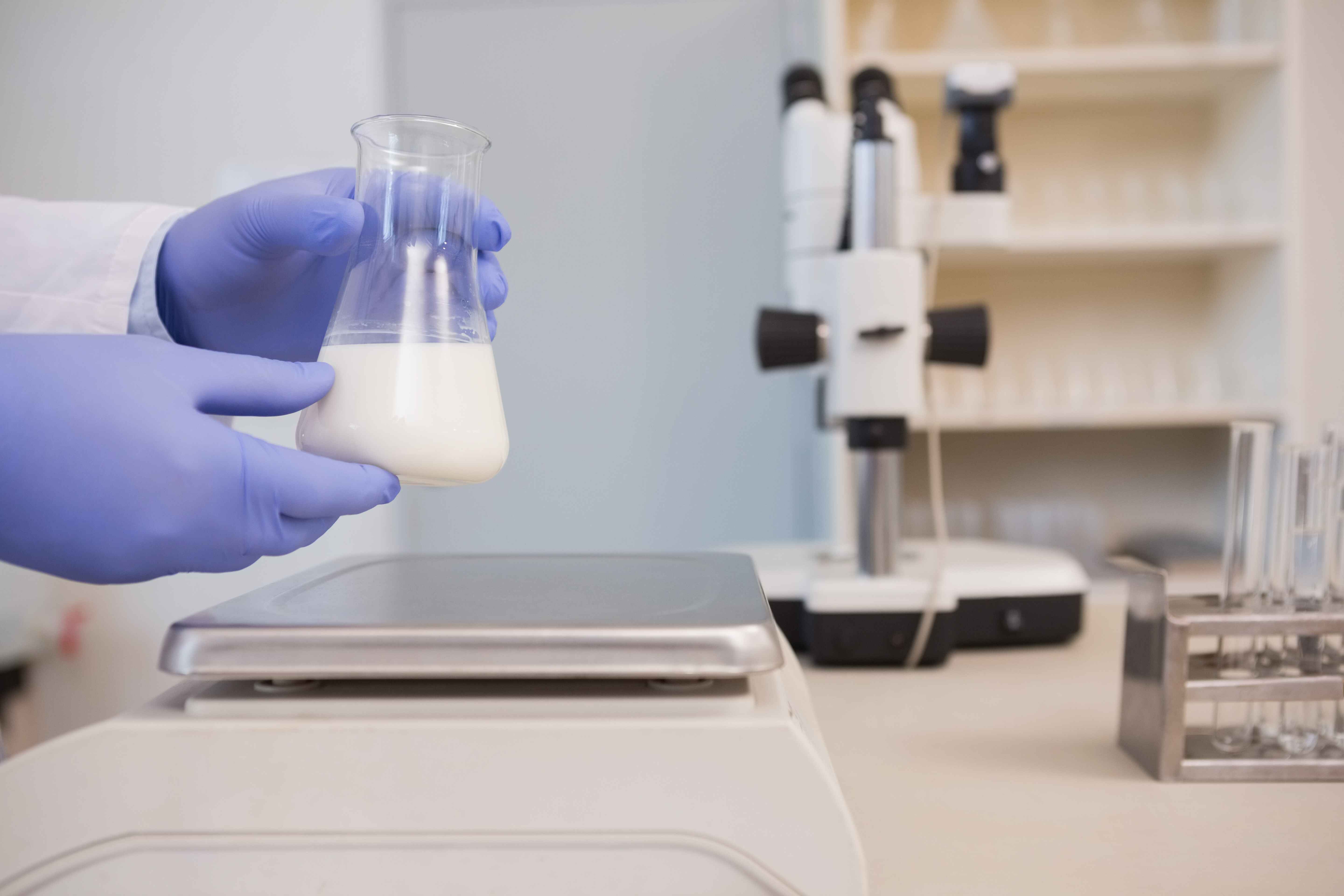
Milk is a daily staple in millions of Indian households—but is your milk truly safe to drink? The answer lies in fortification testing, a critical scientific process that verifies whether milk contains the right nutrients in the right amounts and is free from safety risks. In today’s complex dairy supply chain, fortification testing plays a vital role in protecting public health, ensuring regulatory compliance, and maintaining consumer trust. In this blog, we’ll explore how fortification testing improves milk quality and safety, why it matters, and where reliable food testing services and accredited milk testing labs make the difference.
Why Milk Safety and Fortification Testing Matter More Than Ever
Milk is naturally rich in calcium, protein, and vitamins, yet modern processing, storage, and distribution can lead to nutrient loss. To combat widespread micronutrient deficiencies—such as vitamin A and D deficiencies—governments and dairy brands increasingly rely on the fortification process of milk.
However, fortification without testing is risky. Over-fortification can be just as harmful as under-fortification. That’s where milk fortification testing conducted in a certified food analysis laboratory becomes essential. It ensures nutritional accuracy, safety, and compliance with FSSAI standards.
What Is Fortification Testing in Milk?
Fortification testing is a scientific evaluation carried out by a certified food testing lab to measure the levels of added nutrients—such as vitamins A, D, iron, or calcium—in milk. It confirms whether these nutrients meet regulatory requirements and label claims without compromising safety.
A professional milk testing service doesn’t just check nutrients. It also evaluates microbiological safety, chemical contaminants, and stability over shelf life, making it a comprehensive quality assurance tool.
7 Ways Fortification Testing Improves Milk Quality and Safety
1. Ensures Accurate Nutrient Levels Through Fortification Testing
One of the primary goals of fortification testing is to confirm that milk contains exactly the amount of nutrients claimed on the label—no more, no less. Using advanced fortification testing methods like HPLC and LC-MS/MS, food analysis labs can precisely quantify vitamins and minerals.
Real-world example:
Several government nutrition programs in India, such as ICDS and MDM, rely on fortified milk. Inconsistent nutrient distribution can reduce program effectiveness. Proper testing ensures every batch delivers intended health benefits.
2. Prevents Health Risks from Over- or Under-Fortification
Incorrect fortification can lead to serious health consequences. Excess vitamin A or D may cause toxicity, while insufficient fortification fails to address deficiencies.
A certified consumer food testing lab performs validation checks during the milk fortification testing procedure to prevent such risks. This protects vulnerable groups like children, pregnant women, and the elderly.
3. Improves Microbiological Safety in Milk Testing Labs
Milk is highly perishable and prone to microbial contamination. While fortification focuses on nutrients, milk testing labs also conduct microbiological analysis to detect pathogens such as Salmonella, E. coli, and Listeria.
By integrating fortification testing with microbiological checks, a food analysis lab ensures milk is both nutritious and safe for consumption.
4. Supports Regulatory Compliance with FSSAI Standards
India’s food safety regulations strictly define permissible fortification levels. Non-compliance can result in penalties, recalls, or brand damage.
Professional food testing services help dairy brands stay compliant by aligning their fortification process of milk with FSSAI norms. Regular testing builds confidence during audits and inspections.
5. Enhances Shelf-Life Stability Through Fortification Testing Methods
Fortified nutrients can degrade over time due to light, temperature, or packaging. Advanced milk fortification testing methods assess nutrient stability throughout the product’s shelf life.
Example:
Vitamin D degradation is common in transparent packaging. Testing helps manufacturers choose better packaging solutions and storage conditions.
6. Strengthens Consumer Trust and Brand Credibility
Today’s consumers are label-conscious and informed. Claims like “fortified with vitamins A & D” must be backed by credible testing from an accredited food analysis laboratory.
Consistent fortification testing reassures consumers that the milk they give their families is genuinely safe and nutritious.
7. Enables Continuous Improvement in the Milk Fortification Process
Testing is not a one-time activity. Ongoing milk fortification testing allows manufacturers to fine-tune formulations, mixing techniques, and quality controls.
A reliable milk testing service provides actionable insights that help dairies improve efficiency, reduce wastage, and maintain consistent quality.
Understanding the Milk Fortification Testing Procedure
A standard milk fortification testing procedure typically involves:
- Sample collection under controlled conditions
- Sample preparation to extract nutrients
- Instrumental analysis using HPLC, ICP-MS, or LC-MS/MS
- Data validation and reporting as per NABL and FSSAI guidelines
Each step is critical to ensure accuracy and reproducibility—hallmarks of a trusted food analysis lab.
Role of Advanced Food Testing Labs in Milk Safety
Not all labs are equal. A fully equipped food testing lab uses advanced imported instruments and validated methods to deliver reliable results. Accredited labs also follow strict quality assurance protocols to avoid analytical errors.
When selecting a consumer food testing lab or milk testing lab, accreditation (NABL, ISO/IEC 17025) and regulatory recognition are non-negotiable.
Why Food Testing Services Are Essential for Dairy Businesses
From startups to large dairy cooperatives, food testing services support every stage of the product lifecycle—R&D, production, shelf-life studies, and regulatory approvals. They also play a key role in government nutrition programs and public health initiatives.
Conclusion: Choose the Right Partner for Fortification Testing
Milk safety isn’t just about taste or appearance—it’s about science, accuracy, and responsibility. Fortification testing ensures that milk delivers promised nutrition while remaining safe, compliant, and trustworthy.
This is where ITC Labs stands out.
As India’s leading analytical testing laboratory, ITC Labs brings years of excellence in food and dairy testing. With NABL accreditation (ISO/IEC 17025:2017), FSSAI approval for fortified products, and advanced equipment like HPLC, UV-Vis, LC-MS/MS, and ICP-MS, ITC Labs ensures unmatched precision.
Their expertise in government-sponsored schemes (ICDS, MDM, PDS), custom protocol development, and nutrient stability challenges makes them a trusted partner for reliable milk fortification testing and comprehensive food testing services.
If you’re committed to delivering safe, nutritious milk, partnering with a proven food analysis laboratory like ITC Labs is not just a choice—it’s a responsibility.
Frequently Asked Questions (FAQs)
1. What is fortification testing in milk?
Fortification testing measures added nutrients in milk to ensure they meet regulatory standards and label claims without compromising safety.
2. Why is a milk testing lab important for fortified milk?
A certified milk testing lab verifies nutrient accuracy, detects contaminants, and ensures microbiological safety.
3. Which instruments are used in milk fortification testing?
Advanced instruments like HPLC, LC-MS/MS, UV-Vis, and ICP-MS are commonly used in accredited food analysis labs.
4. How often should milk fortification testing be done?
Testing should be conducted batch-wise and during shelf-life studies to ensure consistency and compliance.
5. How can ITC Labs help with milk fortification testing?
ITC Labs offers NABL-accredited, FSSAI-approved milk fortification testing with advanced methods, expert scientists, and end-to-end food testing services.