
Every manufacturing unit, construction site, and processing plant carries risk. Some of it you can see — dust clouds, loud machinery, obvious chemical handling. Most of it you can’t — airborne contaminants building up slowly, chemical vapours sitting just below the threshold of notice, vibration accumulating damage over the years. By the time the effects show up, the exposure has already happened.
Industrial Hygiene Services exist to get ahead of that. Not to tick compliance boxes, but to identify what’s actually harming workers, measure how serious it is, and put the right controls in place before someone’s health pays the price.
What Industrial Hygiene Services Actually Cover
Industrial hygiene has nothing to do with how clean the floor is. It covers the identification, evaluation, and control of hazards that affect worker health — chemical exposures, airborne contaminants, excessive noise, heat stress, vibration, ergonomic strain, and more.
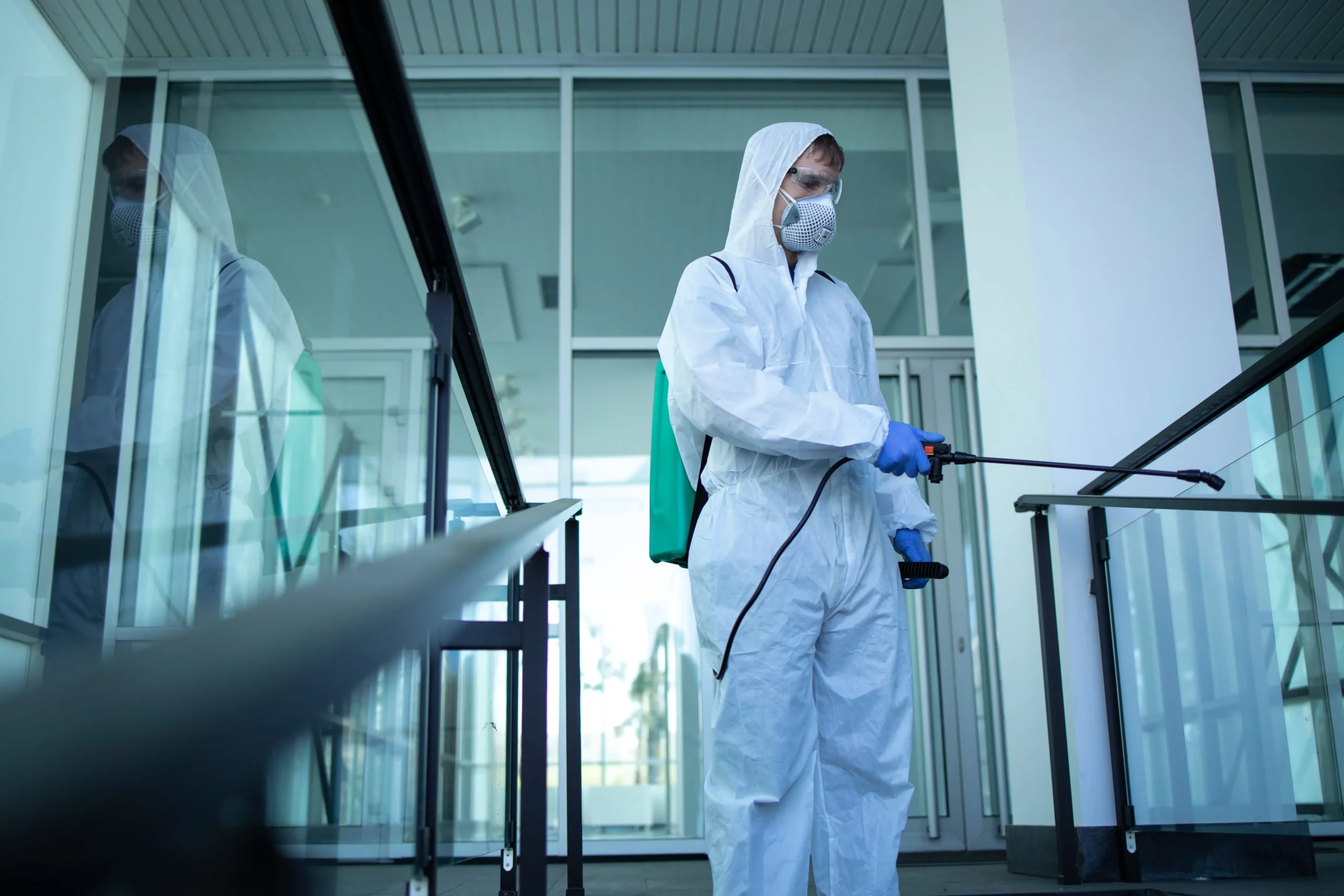
A proper Industrial Hygiene Services programme starts on the ground. On-site inspections, exposure mapping, and process walkthroughs establish where the risks are and who’s in the firing line. From there, industrial hygiene testing puts numbers to what the inspections flag — air sampling, noise dosimetry, vibration measurements, and heat stress indices. That data is what separates an informed decision from a guess.
Knowing where risks exist and who they’re affecting is the starting point of any serious safety programme. That’s what a structured Industrial Hygiene Services assessment does — starting with on-site inspections, exposure mapping, and process evaluations to build a clear picture of what’s actually happening on the floor.
The findings are then measured against Occupational Exposure Limits set by ACGIH, OSHA, NIOSH, and the Factories Act. That’s where most facilities stop — and that’s the mistake. A hazard that gets identified but not acted on is just a paper trail. What matters is what changes after the assessment is done.
Why Monitoring Matters More Than a One-Time Audit
One inspection tells you what things looked like on one day. Industrial hygiene monitoring services tell you whether things are getting better or worse over time— and in occupational health, that distinction is everything.
Processes evolve, new chemicals come in, production volumes climb, and ventilation systems wear down. Any one of these shifts can meaningfully change the exposure profile of a facility. None of them would show up in last year’s audit. Regular industrial hygiene monitoring catches that drift early — before it becomes a health problem or a compliance failure.
For facilities in regulated industries — pharmaceuticals, petrochemicals, mining, food and beverage — this kind of ongoing programme isn’t optional. It’s built into compliance frameworks. But even for facilities where it isn’t mandated, the cost of running a monitoring programme is almost always lower than the cost of a single occupational illness claim, let alone a regulatory action.
The Role of an Industrial Hygiene Laboratory
Field assessments collect the samples. An Industrial Hygiene Laboratory turns them into data. But the value of that data depends entirely on what happens in the lab — validated methods, calibrated equipment, traceable reporting. In a regulatory context, results that can’t be defended don’t count.
An accredited industrial hygiene laboratory covers air filters, wipe samples, biological monitoring specimens, noise data logs, and more. It’s detailed, methodical work — and it has to be, because the decisions made from it affect real people.
For facilities already working with an analytical testing laboratory for product quality, there’s a practical advantage in consolidating. Bringing industrial occupational hygiene testing under the same accredited partner means one reporting framework, one quality system, and a lot less back-and-forth between teams.
Where Industrial Hygiene Consulting Services Add Value
Testing tells you what’s happening. Industrial Hygiene Consulting Services tells you what to do about it. The two are distinct, and facilities that treat them as the same thing often end up with detailed reports and no clear path forward.
A qualified consulting team interprets exposure data in the context of your specific processes, workforce, facility design, and regulatory obligations. They recommend engineering controls — ventilation improvements, process enclosures, equipment substitutions — before falling back on administrative controls or PPE. That hierarchy matters. PPE is the last line of defence, not the first.
Good Industrial Hygiene Consulting Services also build internal capability. Training programmes for workers and supervisors, hazard communication systems, and emergency response protocols all sit within the consulting remit — and they’re what determine whether a safety improvement lasts beyond the consultant’s last site visit.
Choosing the Right Partner — What to Look For
Whether you’re searching for industrial hygiene testing near me or evaluating a partner with national reach, the starting point is the same. Accreditation first — NABL, OSHA, NIOSH, ACGIH. Industry experience second — the hazards in a pharmaceutical cleanroom look nothing like those in a cement plant or a garment factory, and your partner needs to know the difference.
Beyond credentials, what separates a useful inspection company from a box-ticking one is what happens after the report lands. Do they help you understand what the data means? Do they stay engaged until something actually changes? That’s the gap between a compliance exercise and a real improvement in worker safety.
It’s also worth checking whether the partner offers analytical testing lab capabilities alongside hygiene services. If one accredited team can handle both your product quality testing and your occupational exposure monitoring, you cut out a lot of coordination, inconsistency, and duplicated effort.
Safer Workplaces Are Built on Data, Not Assumptions
The facilities with the strongest safety records aren’t the ones that reacted well to incidents. They’re the ones that built systems to prevent them. Industrial hygiene monitoring, testing, and consulting are those systems — and they work best when they’re continuous, not occasional.
ITC Labs is a trusted Industrial Hygiene Laboratory and consulting partner across pharmaceuticals, food and beverage, mining, petrochemicals, automotive, and more. With 9 NABL-accredited laboratories across India and a team qualified in ACGIH, OSHA, NIOSH, and Factories Act standards, ITC Labs doesn’t just run the tests — it helps you build a workplace where the results keep improving.
Whether you need industrial occupational hygiene testing for a single facility or a structured analytical testing services programme across multiple sites, ITC Labs has the infrastructure, accreditation, and industry experience to back it up. If you’re serious about workplace safety, talk to the ITC Labs team today.
Frequently Asked Questions
1. What are Industrial Hygiene Services and what do they cover?
Industrial Hygiene Services focus on identifying, evaluating, and controlling workplace hazards like chemical exposure, airborne contaminants, noise, vibration, and heat stress to protect worker health and ensure safer work environments.
2. How does Industrial Hygiene Testing help improve workplace safety?
Industrial Hygiene Testing measures exposure levels through air sampling, noise monitoring, and vibration analysis. It provides data-driven insights that help organizations implement effective controls and reduce long-term health risks.
3. Why are industrial hygiene monitoring services better than one-time audits?
Industrial hygiene monitoring services track changes in exposure levels over time. Unlike one-time audits, they detect evolving risks early, helping prevent occupational illnesses and ensuring continuous compliance with safety regulations.
4. What is the role of an Industrial Hygiene Laboratory?
An Industrial Hygiene Laboratory analyzes samples collected from workplaces, including air, surfaces, and biological specimens. It provides accurate, traceable data essential for regulatory compliance and informed safety decision-making.
5. What is industrial occupational hygiene testing?
Industrial occupational hygiene testing evaluates worker exposure to hazards like dust, chemicals, and noise. It ensures exposure levels remain within limits defined by standards such as OSHA, NIOSH, and ACGIH guidelines.
6. How do Industrial Hygiene Consulting Services add value beyond testing?
Industrial Hygiene Consulting Services interpret test data and recommend control measures like ventilation improvements and process changes. They help businesses implement practical solutions instead of just identifying risks.
7. Why is continuous industrial hygiene monitoring important for industries?
Continuous monitoring helps industries adapt to process changes, new materials, and equipment wear. It ensures workplace risks are managed proactively rather than reacting to incidents or compliance failures later.