
Water is life for drinking and cooking, for cleaning and bathing; it’s the one thing we can’t live without. Yet with growing pollution, industrial waste, and old pipes, ensuring water safety is more crucial than ever. Regular water testing is one of the best ways to avoid health hazards and disease brought about by unsafe water.
Whether you’re a homeowner, entrepreneur, or city service provider, learning about water quality testing can be a lifesaver. Here, we will discuss the significance of water quality testing, how it prevents ailments, and why selecting appropriate water testing services is crucial.
What is Water Quality Testing?
Water quality testing is carried out to evaluate the physical, chemical, and biological properties of water to validate its safety and purity. It is normally conducted through water sample analysis, where the samples are obtained and examined to detect any toxic substances. Testing is necessary because water can be polluted by several factors, including chemicals, microorganisms, or contaminants.
Water testing facilities are offered to identify conditions of excessive bacteria, lead, chlorine, or pesticides that can cause severe health hazards. Regular water testing ensures water safety, making it safe for drinking and other uses.
Types of Water Contaminants
Before going into the water quality testing services process, understanding the types of contaminants typically present in water sources is essential:
Biological Contaminants: These are bacteria, viruses, and parasites that are responsible for waterborne diseases such as cholera, dysentery, and gastroenteritis. E. coli and Salmonella are common offenders.
Chemical Contaminants: Chemicals like heavy metals (lead, arsenic), pesticides, herbicides, and industrial chemicals can find their way into water bodies through runoff or illegal disposal. Such chemicals have long-term health consequences like cancer, neurological impairment, and reproductive problems.
Physical Contaminants: Sediment, dirt, and rust may be present in tap water from old pipes or faulty filtration systems. Physical contaminants usually don’t make one sick, but do impact the taste and clarity of the water.
Nutrients and Toxins: Nitrates and phosphates in excess may spur toxic algae blooms, making the water poisonous. These toxins are particularly dangerous to pregnant women and infants.
The Significance of Regular Water Testing
Regular testing of water is important for several reasons, especially when it involves the protection of human health. Some of the principal reasons why regular testing is important are listed below:
1. Prevention of Waterborne Diseases
Waterborne illnesses are a serious world health problem. Over 1.5 billion individuals across the globe consume contaminated water, as reported by the World Health Organisation (WHO). Microbial impurities like bacteria, viruses, and parasites can lead to diseases that result in serious illness, hospitalisation, or even death.
By regularly testing water samples, you can identify harmful microorganisms early. Water quality testing services can detect harmful pathogens like E. coli, Salmonella, or Giardia, and ensure your water is free from these dangers. Early detection and proper water treatment can help prevent the outbreak of waterborne diseases in homes or public facilities.
2. Detecting Chemical Contaminants
Chemical contamination of water, whether it results from agricultural runoff, industrial effluent, or city pollution, is dangerous for long-term health consequences. Lead, arsenic, mercury, and pesticides can leach into drinking water and lead to a host of health problems, such as kidney damage, developmental disorders, and even cancer.
Water quality and compliance testing services assure that the water you are drinking or using meets safety standards. Analysing water samples through the use of analytical testing labs aids in the detection of contaminants even when present in tiny concentrations that are not detectable by sight or taste. Testing frequently can assist in keeping your water safe and healthy for drinking, safeguarding your family and your employees or consumers if you are an entrepreneur.
3. Providing Safe Drinking Water to Susceptible Groups
Babies, toddlers, pregnant women, and older adults are especially vulnerable to the adverse impact of contaminated water. For instance, high concentrations of nitrates in drinking water can lead to “blue baby syndrome,” which prevents babies’ blood from carrying oxygen. Regular testing of your water ensures that susceptible groups are not at risk, giving parents a sense of assurance.
4. Monitoring Water Quality Over Time
Water quality may shift over time based on a number of different factors. Seasonal changes, deteriorating pipes, and even acts of nature such as flooding or hurricanes can bring in new pollutants to the water supply. Through doing regular quality assurance test lab analysis, you are able to see how your water quality shifts and catch any new issues early. Pre-emptive testing allows you to keep your water standards high throughout the year and prevent surprises from contamination.
5. Local and National Standard Compliance
For municipalities and companies, water quality testing ensures that the supplied water is up to legal standards of safety and health. Local water regulation compliance is not only a matter of law; it also fosters consumer, customer, and employee trust. Regular water testing services prevent businesses from facing legal complications arising from water safety infringement violations.
In most instances, water quality and compliance testing have to be conducted in order to satisfy regulatory requirements from organisations such as the Environmental Protection Agency (EPA) in the United States or similar agencies elsewhere. For instance, the industry in food processing, hospitality, or healthcare depends on regular testing to satisfy rigorous water standards and ensure operational integrity.
Water Testing Services Explained
Water testing services usually have a step-by-step procedure to guarantee precise results. This is how the process is done:
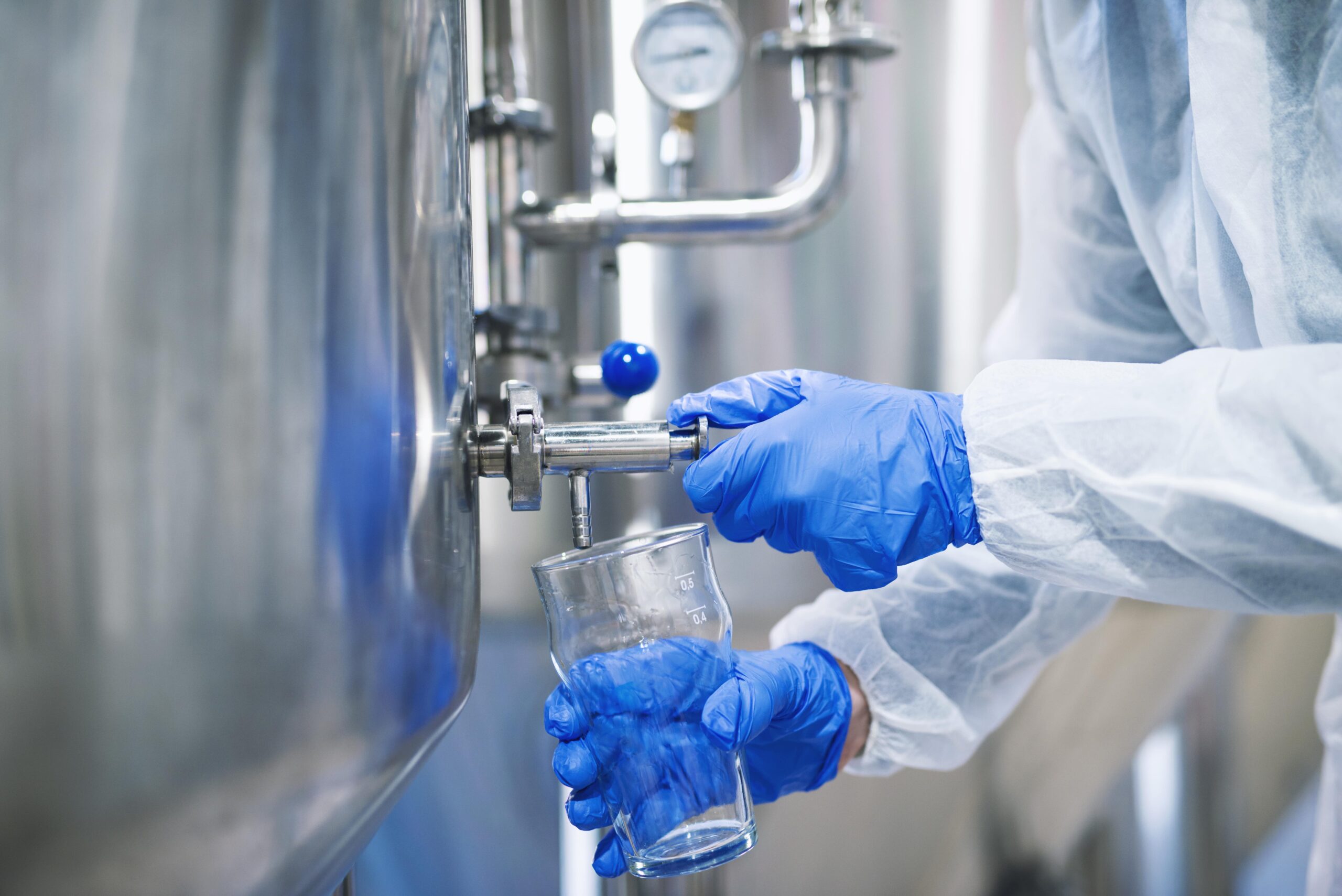
Sample Collection: A qualified technician or expert from a quality inspection services company will take a sample of your water. Correct sampling procedures are followed to ensure the validity of the test. Water contaminants can differ in accordance with the location, so several samples might be taken to obtain a complete picture of the water quality.
Laboratory Analysis: The sample is then taken to an analytical test laboratory and subjected to a series of tests. These tests can indicate the amount of different contaminants present, such as bacteria, chemicals, heavy metals, and pH level. Tests are also done to analyze the hardness of the water or the amount of chlorine and other disinfectants present.
Results Interpretation: A comprehensive report of the test results, including concentrations of contaminants found, will be issued by the laboratory after testing. An experienced technician will assist in interpreting the results and suggest necessary actions to enhance water quality if the results are positive. For instance, if there is a high concentration of lead, filter or treatment systems could be called for.
Corrective Action: According to the test results, you might have to install water treatment systems like filtration, reverse osmosis, or UV sterilisation. Repeated follow-up testing guarantees that solutions provided are effective in ensuring safe water quality.
Your Reliable Water Quality and Compliance Testing
At ITC Labs, we recognise the value of water quality and safety. We provide comprehensive water testing services to assist homes and businesses in ensuring their water supply is safe and compliant with safety standards. Our expert staff provides water sample analysis and applies cutting-edge techniques to identify contaminants in your water.
Whatever your water quality test or more comprehensive water quality and compliance testing needs, our analytical testing lab is staffed with the equipment and professionals to deliver reliable and accurate results. Our quality assurance testing laboratory guarantees that every test performed by us adheres to the most demanding standards.
With years of experience and devotion to accuracy, ITC Labs is proud to be among the leaders in offering excellent quality inspection services. Our professionals are here to assist you in finding water problems, developing solutions, and ensuring the health and safety of all individuals relying on your water supply.
Safer Living with Purer Water
Periodic water testing is a vital factor in ensuring the health and well-being of your water supply. By identifying impurities early, complying with regulations, and protecting at-risk populations, water quality testing prevents a vast array of medical risks and diseases. Whether you are operating a home, a business, or a municipality, trusted water testing services are indispensable to guarantee safe drinking water and avoid water-related issues that cost thousands of dollars.
At ITC Labs, we have professional water testing services offered by a qualified team committed to ensuring high standards of quality. With our analytical testing laboratory and quality assurance testing lab, your water quality is guaranteed to be safe with us. We can assist you in keeping your water pure, safe, and healthy for everyone.
Frequently Asked Questions (FAQs)
1. How frequently should I test my water?
How frequently to test your water is determined by the source of the water. Well water is tested once a year, while municipal water is usually tested by the local authorities. If there are changes in taste, smell, or colour, or if plumbing work has been performed, it’s a good idea to test your water earlier. Restaurants and health care facilities should test their water more often to meet requirements.
2. What types of contaminants will water quality tests indicate?
Water tests identify a wide range of contaminants, ranging from bacteria (E. coli) and chemicals (lead, pesticides) to heavy metals, sediments, and toxins such as nitrates and algae. It identifies waterborne illnesses and contaminants that can cause long-term health problems.
3. How reliable are water quality tests?
Analytical tests from accredited laboratory testing facilities are very accurate and give good results. Professional testing agencies employ scientific methods to detect even minute amounts of contaminants. Home-testing kits can provide some indication but are not as precise and in-depth as laboratory testing.
4. What do I do if my water is contaminated?
If contaminants show up, follow what your water testing company recommends. You might need to have a filtration system, reverse osmosis, or other treatments installed based on the contaminant. For severe problems, it is important to seek the advice of a professional water treatment technician to ensure your water is safe.