
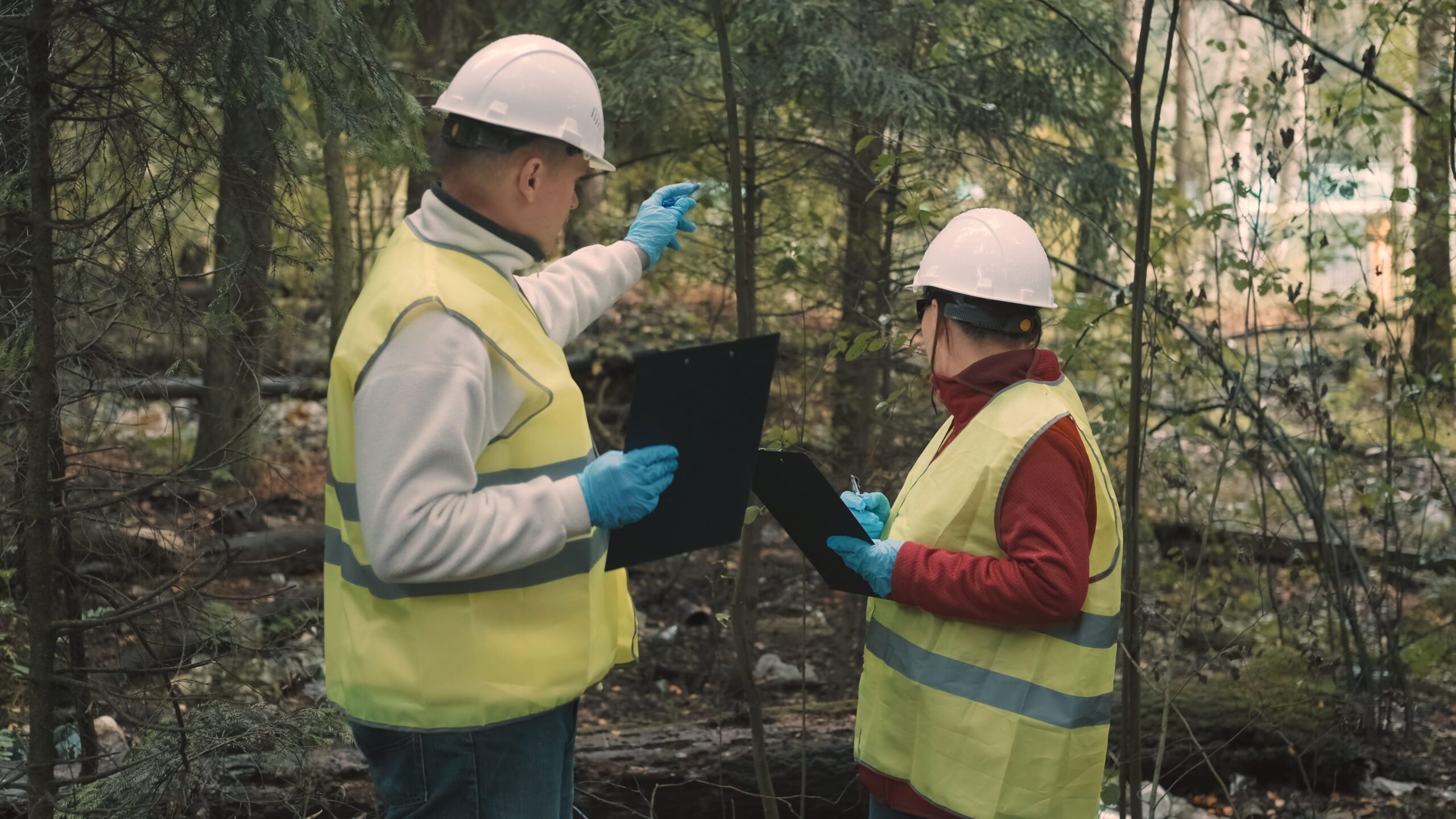
In today’s world, large-scale projects, whether in construction, mining, or manufacturing, come with significant environmental responsibilities. Environmental Impact Assessment Services play a crucial role in identifying, evaluating, and mitigating environmental risks associated with these projects. For any project that may significantly affect the environment, implementing EIA services helps companies not only comply with regulations but also build sustainable solutions that minimize harm to natural ecosystems. In this blog, we will explore how EIA services can mitigate environmental risks and why they are essential for large-scale ventures.
What is Environmental Impact Assessment (EIA)?
Environmental Impact Assessment (EIA) is a process used to evaluate the potential environmental effects of a proposed project. This process involves detailed studies and analyses that predict how the project will affect local ecosystems, biodiversity, air, water, and soil quality. It also identifies the possible mitigation measures to reduce or eliminate adverse environmental effects.
EIA services are mandatory in many countries before the initiation of large-scale projects such as highways, dams, airports, factories, and mining operations. This ensures that the environmental consequences of the project are fully understood and accounted for from the start, enabling decision-makers to implement effective solutions.
The main goal of EIA services is to guide projects towards sustainability and responsible development, ensuring that the long-term health of the environment is not compromised for short-term economic gain.
How EIA Services Mitigate Environmental Risks
Large-scale projects often bring with them risks that can harm the surrounding environment. The consequences of overlooking these risks can be disastrous—such as pollution, habitat destruction, and long-lasting ecological imbalances. By conducting a thorough EIA, project developers can identify potential risks early in the planning process and implement strategies to mitigate them.
1. Identifying Environmental Risks
EIA services evaluate every potential environmental impact of a project. This includes assessing how the project could affect:
- Air quality: Emissions from construction activities or industrial processes can contribute to air pollution and have adverse effects on public health.
- Water quality: Projects that involve large-scale land development may lead to water contamination, affecting both aquatic life and human populations.
- Soil and land degradation: Excavation, construction, or mining can lead to soil erosion, loss of fertility, or contamination.
- Biodiversity loss: Large-scale projects often affect local wildlife and vegetation, sometimes leading to the extinction of species or the destruction of entire ecosystems.
Through careful study and analysis, EIA services help predict these risks and offer solutions to minimize or eliminate them.
2. Proposing Mitigation Measures
Once risks are identified, the next step in the EIA process is to recommend mitigation measures. These can range from altering the project design, adopting more sustainable construction practices, to implementing technologies that reduce emissions or prevent water contamination. In some cases, developers may be required to restore habitats or create wildlife corridors to protect biodiversity.
For instance, during the construction of a highway through a forested area, an EIA might recommend building overpasses for wildlife to cross safely, thus preventing habitat fragmentation and reducing mortality rates among animals.
The Role of Compliance Monitoring in Environmental Risk Mitigation
After the assessment and mitigation measures are established, compliance monitoring becomes essential to ensure that the project remains aligned with environmental regulations and laws. Compliance monitoring refers to the continuous evaluation of a project to ensure that all mitigation measures are effectively implemented during construction and operation.
This involves checking if the prescribed measures, such as pollution control systems, waste management practices, and environmental protection initiatives, are being adhered to. Regular inspections and monitoring reports ensure that any environmental risks that arise during the project’s lifecycle are detected and managed promptly.
By ensuring adherence to environmental guidelines, compliance monitoring minimizes the risk of penalties, project delays, or harm to the environment, making it a vital aspect of any large-scale project.
Environmental Testing: A Key Pillar in EIA Services
Environmental testing is an integral part of EIA services. Testing provides accurate and reliable data on the environmental conditions before, during, and after the project implementation. Whether it is air quality testing, water quality analysis, or soil testing, accurate measurements help to assess the true impact of the project on the environment.
Types of Environmental Testing
- Air Quality Testing: Measures pollutants like sulfur dioxide, nitrogen oxides, carbon monoxide, and particulate matter. Air quality testing helps prevent air pollution that can affect public health.
- Water Testing: Determines the chemical, biological, and physical characteristics of water bodies near the project site. Water testing ensures that aquatic ecosystems are not harmed by construction runoff or waste discharge.
- Soil Testing: Checks soil composition, fertility, and contamination levels. Soil testing helps developers avoid damaging land resources and ensures that agricultural productivity is not affected.
Testing ensures that any potential damage is detected early, and effective measures can be implemented to avoid further harm.
Quality Assurance Testing for Large-Scale Projects
Quality assurance testing is an essential aspect of EIA services that guarantees the project meets not only regulatory requirements but also high-quality standards. By conducting rigorous tests, developers ensure that the materials, processes, and practices used in the project are sustainable and will not negatively impact the environment.
For example, quality assurance tests might involve evaluating the strength and durability of construction materials to prevent premature failure, which could lead to environmental degradation. It also ensures that pollution control measures like air filters or water treatment systems are functioning effectively throughout the project’s lifecycle.
Why You Need Accredited Testing Labs for Accurate Results
To ensure that the environmental tests conducted during EIA are reliable, it is crucial to work with accredited testing labs. Accredited labs are certified to follow strict protocols and standards for environmental testing. They are equipped with state-of-the-art equipment and highly skilled professionals who can deliver accurate and consistent results.
ITC Labs stands out as one of the best testing services in India, offering a wide range of testing services in compliance with international environmental standards. With a team of qualified scientists and technicians, we ensure that all tests adhere to EPA Act 1986, IS standards, and other global benchmarks, making us a trusted partner for large-scale projects.
The Top Trends in Environmental Impact Assessment Services for 2025
As we move toward 2025, the landscape of environmental impact assessment services is evolving rapidly. New technologies and innovative approaches are reshaping how EIA services are conducted, making them more efficient and effective.
1. Integration of Artificial Intelligence (AI)
AI and machine learning are being increasingly integrated into the EIA process. AI can help analyze large datasets, identify potential risks, and predict environmental outcomes more accurately and quickly. AI tools can also automate the monitoring of environmental conditions in real-time, providing timely insights that help mitigate risks.
2. Use of Remote Sensing and Drones
Remote sensing technologies, including satellite imagery and drones, are transforming how environmental assessments are conducted. These technologies allow for precise monitoring of large-scale projects and their environmental impact without the need for on-the-ground inspections. Drones, for example, can monitor wildlife, vegetation, and land use changes in remote areas.
3. Sustainability and Green Building Practices
With growing concerns over climate change and sustainability, there is an increased focus on green building practices and eco-friendly construction methods. EIA services are now incorporating sustainable design solutions to ensure that projects leave minimal environmental footprints.
Why Choose ITC Labs for Environmental Monitoring?
When it comes to environmental testing and monitoring, choosing the right partner is critical. ITC Labs offers a comprehensive range of accredited environmental testing services tailored to meet the specific needs of each project.
- Expertise: Our team of qualified scientists and technicians has vast experience in environmental regulations and standards.
- Advanced Instruments: We are equipped with state-of-the-art testing equipment for reliable and accurate results.
- Customer-Centric Approach: We provide a customer-first approach with dedicated software for streamlined processes.
- Timely Delivery: Our automated systems ensure that results are delivered within industry-standard timelines.
By partnering with ITC Labs, companies can ensure that their large-scale projects are sustainable, compliant, and risk-free, contributing to a greener, safer future.
Conclusion
Environmental risks are an inevitable part of large-scale projects, but with the help of Environmental Impact Assessment (EIA) services, these risks can be managed, mitigated, and even eliminated. By conducting comprehensive environmental testing, ensuring compliance through monitoring, and leveraging quality assurance testing, businesses can make environmentally responsible decisions.
For accurate, reliable, and timely environmental monitoring and testing, ITC Labs stands as the best accredited testing lab in India. Our commitment to sustainability, advanced technologies, and customer-first approach makes us the ideal partner for any large-scale project.
Make sure your projects leave a minimal environmental footprint—partner with ITC Labs for all your environmental testing and monitoring needs.
FAQs on Environmental Impact Assessment Services
1. What are Environmental Impact Assessment (EIA) services, and why are they important?
Environmental Impact Assessment services involve a systematic process to identify, evaluate, and mitigate the potential environmental effects of a proposed project. These services are crucial for ensuring environmental sustainability, legal compliance, and public safety before any large-scale industrial, infrastructure, or construction project begins.
2. How do EIA services help in compliance monitoring?
EIA services include compliance monitoring to ensure that all environmental regulations are followed during the planning, construction, and operational phases of a project. This helps reduce legal risks, environmental damage, and ensures long-term project sustainability.
3. What types of environmental testing are involved in EIA?
Environmental testing during an EIA can include:
-
Air quality testing
-
Water and wastewater testing
-
Soil and sediment testing
-
Noise and vibration monitoring
These tests help determine the baseline environmental conditions and track any changes caused by the project.
4. Why should I choose an accredited testing lab for EIA services?
Choosing an accredited testing lab ensures accurate, reliable, and standardized testing results. Labs like ITC Labs, recognized for providing the best testing services in India, comply with national and international regulations, use advanced instruments, and follow strict quality control protocols.
5. How can ITC Labs support large-scale projects with EIA and environmental monitoring?
At ITC Labs, we offer complete environmental monitoring solutions, from EIA documentation to compliance monitoring and quality assurance testing. Our team of experts ensures all testing is done according to EPA Act 1986, IS standards, and global benchmarks. We support various industries with tailored solutions, fast turnaround times, and a customer-first approach powered by our automated eLABSS LIMS system.