
Fortified rice is a powerful tool in the fight against malnutrition, especially in developing countries where vitamin and mineral deficiencies are widespread. As more nations, including India, adopt fortification strategies, the role of fortified rice kernels testing labs has become critical in ensuring that the fortification process meets safety, quality, and nutritional standards. But what exactly does testing of fortified rice kernels entail, and how does it contribute to public health initiatives?
At its core, fortified rice kernels testing is about ensuring that fortified rice meets its nutritional objectives, especially in terms of essential micronutrients like iron, vitamin A, and folic acid. This testing ensures that rice, when consumed, provides the expected health benefits and helps reduce malnutrition-related diseases.
In this blog, we’ll dive into the fortified rice kernels testing procedure, the importance of accredited testing labs, and how these testing processes contribute to global public health goals. Additionally, we’ll explore the significance of quality assurance testing and the role of analytical testing laboratories in the production and distribution of fortified rice.
The Significance of Fortified Rice in Public Health
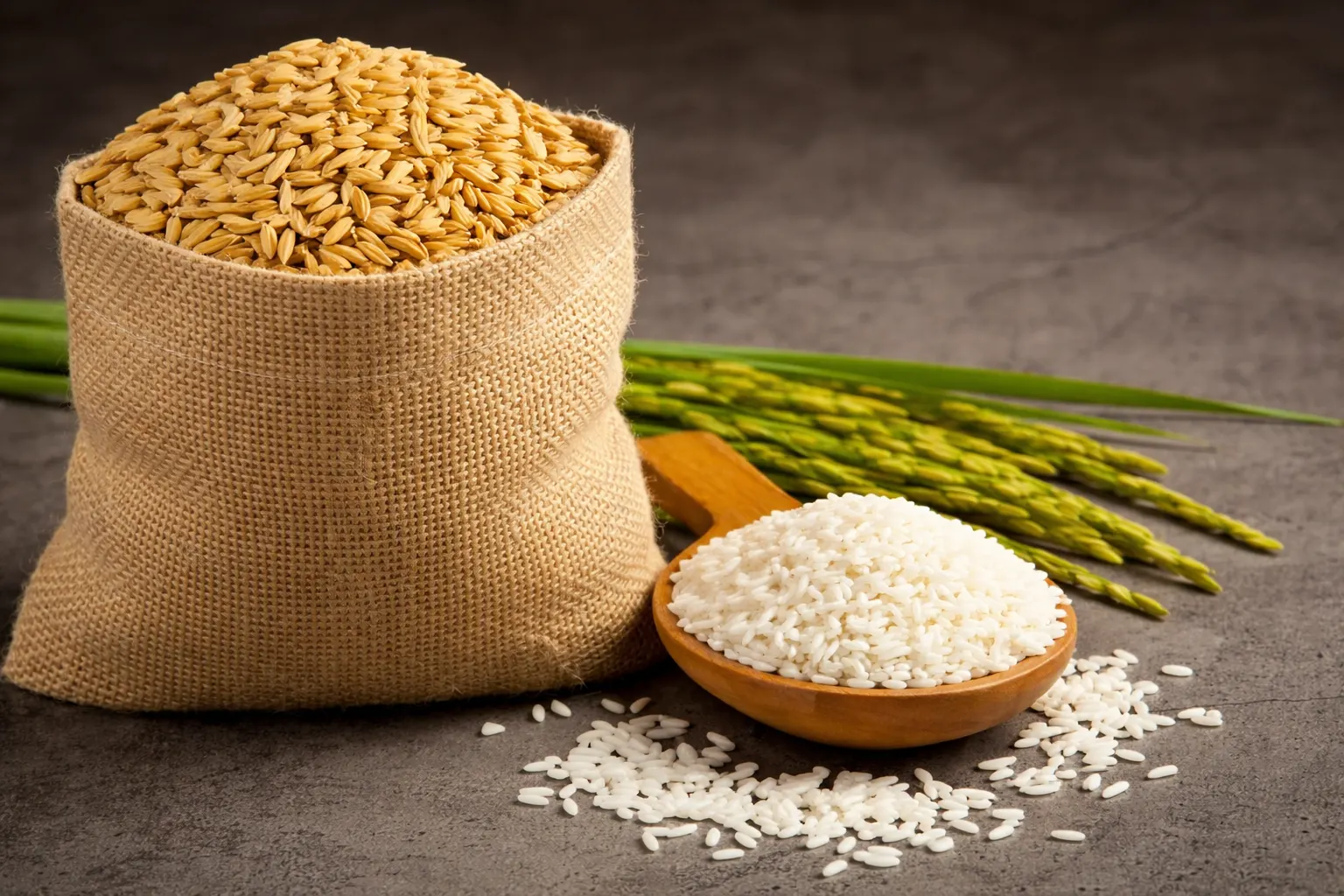
Rice is a staple food for more than half of the world’s population, especially in countries like India, where it forms the foundation of many diets. However, rice is typically low in micronutrients, which is why fortification has gained traction. By adding essential vitamins and minerals to rice, we can significantly improve the nutritional intake of populations, especially in areas with limited access to diverse diets.
Fortified rice kernels testing ensures that this fortification is done correctly and that the rice is safe and effective for consumption. Without thorough testing, there’s a risk that fortification could either fail to deliver the intended health benefits or even cause harm if incorrect quantities of nutrients are added.
What Is Fortified Rice Kernels Testing?
Fortified rice kernels testing refers to a series of laboratory procedures used to verify that fortified rice contains the appropriate nutrients in the correct quantities. This involves the testing of fortified rice for its micronutrient content and its compliance with food safety standards.
In India, where rice fortification has been implemented on a large scale to combat malnutrition, there are specific regulatory guidelines and standards for testing fortified rice kernels. These tests are performed by accredited labs that specialize in food safety and nutritional content. By ensuring the rice is fortified correctly, these labs help maintain the integrity of food aid programs and ensure that fortified rice delivers the intended health benefits.
Fortified Rice Kernels Testing Procedure
The fortified rice kernels testing procedure typically involves several stages:
- Sample Collection: A sample of the fortified rice is collected from the production or distribution batch. This sample is representative of the entire batch and is prepared for testing in a controlled environment.
- Micronutrient Analysis: The key test here is for the micronutrient content, particularly iron, vitamins, and other essential nutrients. Advanced instruments like High-Performance Liquid Chromatography (HPLC) or Atomic Absorption Spectroscopy (AAS) are used for precise measurements.
- Homogeneity Testing: One of the critical aspects of fortified rice is that the nutrients must be uniformly distributed across the kernels. Homogeneity testing ensures that there are no hot spots or areas with excessive nutrients, which could pose a risk to health.
- Stability Testing: Nutrients in fortified rice may degrade over time or under different storage conditions. Stability testing assesses how long the fortified rice retains its nutritional value before it begins to lose essential vitamins or minerals.
- Food Safety Testing: Aside from nutritional testing, safety tests are conducted to check for contaminants like heavy metals, mycotoxins, or other harmful substances that may have been introduced during the fortification process.
- Shelf-Life Testing: The shelf life of fortified rice is crucial, especially for food aid programs. Shelf-life testing ensures that the rice remains nutritious and safe to consume for a defined period.
The Role of Accredited Fortification Testing Labs
When it comes to fortified rice kernels testing, using an accredited testing lab is essential. Accreditation ensures that the laboratory adheres to national and international standards for food safety, quality control, and nutritional testing. Accredited testing labs are recognized by relevant authorities, like the Food Safety and Standards Authority of India (FSSAI), to perform the necessary evaluations for fortified rice.
Accredited labs have the right expertise, equipment, and methodologies to perform the complex tests required to verify that fortified rice meets all the regulatory guidelines and delivers the correct nutritional benefits. These labs play a pivotal role in maintaining quality assurance in the production and distribution of fortified rice, which directly impacts public health outcomes.
The Impact of Fortified Rice Kernel Testing in India
India has one of the highest rates of malnutrition in the world, with millions suffering from deficiencies in essential micronutrients like iron, vitamin A, and iodine. To tackle this issue, the Indian government has initiated large-scale rice fortification programs, making fortified rice kernels testing in India particularly important.
In India, the testing of fortified rice kernels involves a stringent set of protocols to ensure that the fortified rice meets the required nutritional standards. With the growing adoption of rice fortification, ensuring that the rice is both safe and nutritionally effective is critical. This testing ensures that rice fortification delivers the intended benefits and prevents any unintended side effects from over-fortification or under-fortification.
Moreover, best fortified rice kernels testing in India is vital to building public trust in fortified rice products, which are often distributed as part of food aid programs or subsidized nutrition schemes. The testing process helps reassure both the public and health authorities that the rice is meeting its intended goals of improving nutrition and reducing deficiencies.
Quality Assurance in Fortified Rice Testing
Quality assurance is a cornerstone of any food testing process, and quality assurance testing is particularly crucial in the context of fortified rice. The fortification process must be standardized and consistent across all batches to ensure that each serving of rice delivers the required nutrients. This is where quality assurance labs come into play.
These labs monitor every step of the production and testing process to ensure that every batch of fortified rice is tested for nutrient content, safety, and consistency. A quality assurance testing lab ensures that the fortified rice is free from contaminants, contains the correct amount of nutrients, and is safe for human consumption.
Analytical Testing Laboratories and Their Role in Fortified Rice Testing
Analytical testing laboratories, also referred to as analytical testing labs, are central to the rigorous testing of fortified rice kernels. These labs employ advanced technologies and scientific techniques to analyze the nutritional content and safety of fortified rice. They provide valuable data that helps manufacturers, regulators, and public health officials understand the quality of fortified rice on the market.
Conclusion: The Role of ITC Labs in Ensuring Fortified Rice Quality
The importance of fortified rice kernels testing cannot be overstated in ensuring public health and nutrition. Fortified rice plays a crucial role in combating micronutrient deficiencies, especially in developing countries like India. For rice fortification programs to succeed, testing must be rigorous and reliable, ensuring that each batch of fortified rice meets the desired nutritional standards, is safe for consumption, and contributes to long-term health benefits.
ITC Labs, with over 37 years of experience in analytical testing, is at the forefront of ensuring the quality and safety of fortified rice. As India’s leading analytical testing laboratory, we offer comprehensive testing services that include micronutrient analysis, homogeneity testing, stability checks, and food safety testing—all aimed at maintaining the highest standards of rice fortification.
Our state-of-the-art facilities are equipped with the latest imported equipment such as HPLC, UV-Vis, LC-MS/MS, and ICP-MS, ensuring precision and excellence in every test we conduct. Moreover, with FSSAI approval for testing fortified rice, FRKs, and premixes, and our NABL accreditation (ISO/IEC 17025:2017) for both chemical and biological testing, you can be assured of our commitment to quality and regulatory compliance.
At ITC Labs, we follow a stringent 4-step quality assurance formula, ensuring that no sample leaves our lab without being thoroughly tested. Our expertise extends to custom protocols and method validation, especially in government-sponsored programs like ICDS, MDM, and PDS, where we address challenges such as nutrient degradation and uneven distribution of fortification agents.
By choosing ITC Labs, you’re partnering with a trusted, accredited testing provider that ensures fortified rice remains a safe and effective solution for global malnutrition challenges.
Frequently Asked Questions (FAQs)
Why is testing fortified rice important?
Testing fortified rice ensures that it contains the correct levels of essential vitamins and minerals, making it effective in fighting malnutrition and promoting public health.
What is the procedure for testing fortified rice kernels?
The testing procedure involves sample collection, micronutrient analysis, homogeneity testing, stability testing, food safety testing, and shelf-life testing.
How do accredited labs contribute to rice fortification?
Accredited labs ensure that fortified rice meets regulatory standards and nutritional requirements, providing confidence to both consumers and health authorities.
Can I trust the fortified rice available in the market?
If it has been tested in accredited labs and follows national regulations, fortified rice available in the market is generally safe and nutritionally beneficial.
How does fortified rice help in combating malnutrition in India?
Fortified rice helps combat micronutrient deficiencies in India by providing essential vitamins and minerals, especially to vulnerable populations.