
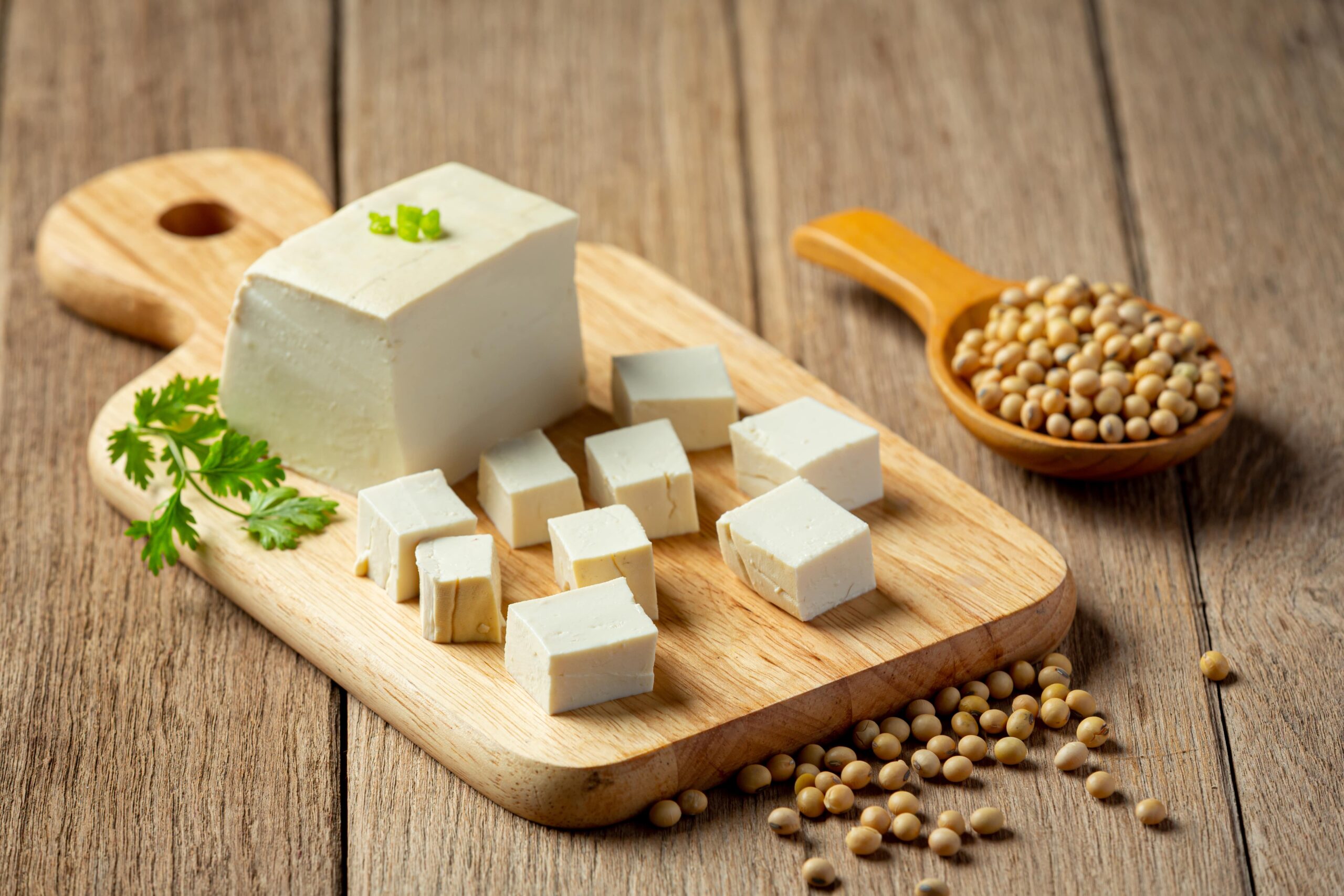
Paneer is an integral part of Indian cuisine. From vegetarian curries to popular snacks, it’s consumed widely across households, restaurants, and street food vendors. However, what many consumers don’t realize is that fake paneer – adulterated with harmful chemicals and non-food grade substances – is rapidly becoming a common concern in the Indian market. These dangerous additives pose significant health risks, leading to long-term consequences such as digestive problems, skin allergies, and even kidney damage.
So, how can you protect yourself from consuming fake paneer? The answer lies in food testing services and food analysis laboratories that can accurately detect harmful substances, ensuring you’re consuming safe, authentic products. In this blog, we’ll explore the rise of fake paneer in India, the critical role of food testing in identifying adulteration, and how NABL accredited food testing labs can help safeguard your health.
What Makes Paneer Fake? Common Adulterants in the Market
To begin, let’s understand what makes paneer “fake.” Authentic paneer is made from fresh milk, typically by curdling the milk with an acid like lemon juice or vinegar. However, to reduce costs and increase profit margins, some manufacturers in India resort to adulterating the paneer with non-edible and harmful chemicals. Here are some of the most common adulterants found in fake paneer:
- Starch and Urea: Often added to enhance the texture and make the paneer appear more solid. These are not food-grade ingredients and can have adverse effects on the digestive system when consumed over time.
- Washing Powder: Some manufacturers add washing powder or detergent to fake paneer to enhance its white color and smooth texture. Consuming these chemicals can lead to gastrointestinal issues, allergic reactions, and more serious long-term health problems.
- Synthetic Milk: In some extreme cases, fake paneer may be made using synthetic milk, which contains harmful chemicals and preservatives that aren’t fit for human consumption.
- Bleaching Agents and Synthetic Coloring: To maintain an appealing white color, some adulterators use industrial bleaching agents and artificial colors, which are unsafe for human consumption.
The side effects of consuming fake paneer can range from food poisoning and skin irritation to long-term kidney and liver damage, making it critical to test the authenticity of your paneer regularly.
Why You Need Food Testing Services to Detect Fake Paneer
While there are a few visual and sensory cues you can use to detect fake paneer, the most reliable way to ensure its authenticity is through food testing services provided by accredited food analysis laboratories. These labs offer sophisticated methods of analyzing food products, identifying the presence of dangerous additives, and ensuring consumer safety.
Role of NABL Accredited Food Testing Labs in India
The National Accreditation Board for Testing and Calibration Laboratories (NABL) is a prestigious body that accredits laboratories in India for their adherence to international standards. NABL accreditation signifies that a food testing laboratory follows strict protocols, uses advanced technologies, and is fully equipped to handle food safety and quality analysis. NABL accredited labs perform precise testing and provide trustworthy results, making them the ideal choice for detecting fake paneer and other adulterated dairy products.
When you submit your paneer to an NABL accredited food testing lab, you can expect a detailed report that includes the following analysis:
- Chemical composition of the product
- Fat content: An essential test to identify adulteration with starch or low-fat substitutes
- Presence of harmful chemicals: Detects non-food-grade substances like detergents or preservatives
- Shelf life and microbial contamination: Ensures the product is safe to consume without preservatives that could be harmful
These accredited labs are equipped to perform a range of tests that provide a deep dive into the authenticity and safety of paneer. As a consumer, trusting NABL-accredited labs ensures peace of mind and confidence in the products you consume.
Types of Food Tests to Identify Fake Paneer
There are various types of tests conducted in food analysis laboratories that help detect fake paneer and ensure it meets safety standards.
a. Chemical Testing
One of the primary tests for fake paneer is the chemical analysis to detect the presence of adulterants such as detergents, starch, and synthetic coloring. These tests include:
- pH testing to identify abnormal acidity or alkalinity levels (which can indicate the presence of harmful chemicals)
- Chemical residue testing to identify the presence of non-food-grade chemicals like urea, detergent, or bleaching agents.
b. Fat and Protein Analysis
Fake paneer is often adulterated with low-fat substitutes or water to increase its volume. By testing the fat content and protein levels, a consumer food testing lab can determine if the paneer contains the nutritional values it claims to have or if it has been altered with harmful ingredients.
For instance, low-fat paneer might appear to be a healthier alternative, but some manufacturers use harmful chemicals to replace the lost fat. This can be detected in an analytical test, which helps confirm the authenticity of the paneer.
c. Shelf Life and Microbial Testing
While real paneer typically has a short shelf life due to its perishable nature, fake paneer may be treated with preservatives to increase its longevity. However, such preservatives can be hazardous to health. Shelf life testing in specialized labs determines whether the paneer has been adulterated with harmful chemicals or preservatives to extend its shelf life artificially. Additionally, microbial testing ensures that the paneer does not contain dangerous bacterial contamination.
Signs of Fake Paneer: How to Spot It Before Testing
Before sending your paneer to a food analysis laboratory, here are a few simple signs you can look for to spot fake paneer:
- Texture and Feel: Fake paneer is often rubbery or too firm. Genuine paneer should be soft, yet firm to touch.
- Color: Real paneer has a mild white to off-white color. If the paneer is unnaturally white and shiny, it might have been treated with chemicals like bleaching agents.
- Smell: Fresh paneer has a light, clean, milky aroma. If the paneer smells sour, chemical-like, or artificial, it could be adulterated.
- Taste: Fake paneer might have a soapy or chemical taste. If it feels unnatural on the tongue, it’s best to avoid consuming it.
How ITC Labs Can Help with Fake Paneer Testing
For consumers looking to test their paneer for authenticity and safety, ITC Labs stands as a reliable and trustworthy provider of food testing services. ITC Labs is a NABL accredited lab that offers comprehensive testing for adulterants, preservatives, and harmful chemicals commonly found in fake paneer.
ITC Labs uses state-of-the-art equipment to provide detailed reports, ensuring the paneer you consume is free from dangerous additives. Whether you’re concerned about chemical contamination, the presence of artificial preservatives, or incorrect fat content, ITC Labs delivers accurate, timely results to give you peace of mind about the food you’re consuming.
Conclusion
Fake paneer is a significant threat to consumer health in India. The best way to avoid harmful chemicals and adulterants is to rely on professional food testing services provided by NABL accredited labs. By choosing a reputable consumer food testing lab, you ensure that your paneer is free from dangerous additives and preservatives. ITC Labs is your go-to solution for accurate, reliable food testing, helping you enjoy authentic, safe paneer every time.
Remember, your health is worth the extra effort. Protect it by ensuring the food you consume is safe and genuine!
Frequently Asked Questions (FAQs)
- What are the health risks of consuming fake paneer?
Fake paneer can cause a variety of health problems, from mild food poisoning to severe long-term health conditions like kidney damage, hormonal imbalance, and skin allergies due to the harmful chemicals used to adulterate the product. - How can I identify if my paneer is adulterated?
Look for signs like unnatural texture, excessive whiteness, chemical smell, or a soapy taste. However, the most accurate method is to send your paneer for testing to a food analysis laboratory or a NABL accredited lab. - What does NABL accreditation mean for a food testing lab?
NABL accreditation indicates that the lab follows international standards for testing, ensuring that the results you receive are reliable, accurate, and trustworthy. Accredited labs use advanced technologies and precise methods to test food safety. - Can low-fat paneer be fake?
Yes, low-fat paneer is often a target for adulteration. Manufacturers might add water, starch, or chemicals to create low-fat paneer that mimics the real product but lacks its nutritional value. - How often should I test my paneer for adulteration?
If you’re buying paneer from a source that you don’t fully trust, it’s a good idea to send it for testing periodically. Regular testing can help ensure you’re consuming safe, genuine products and protect your health from fake paneer.
Read Previous Blog Here : Why Biscuit Manufacturers Should Prioritize Pathogen Testing