
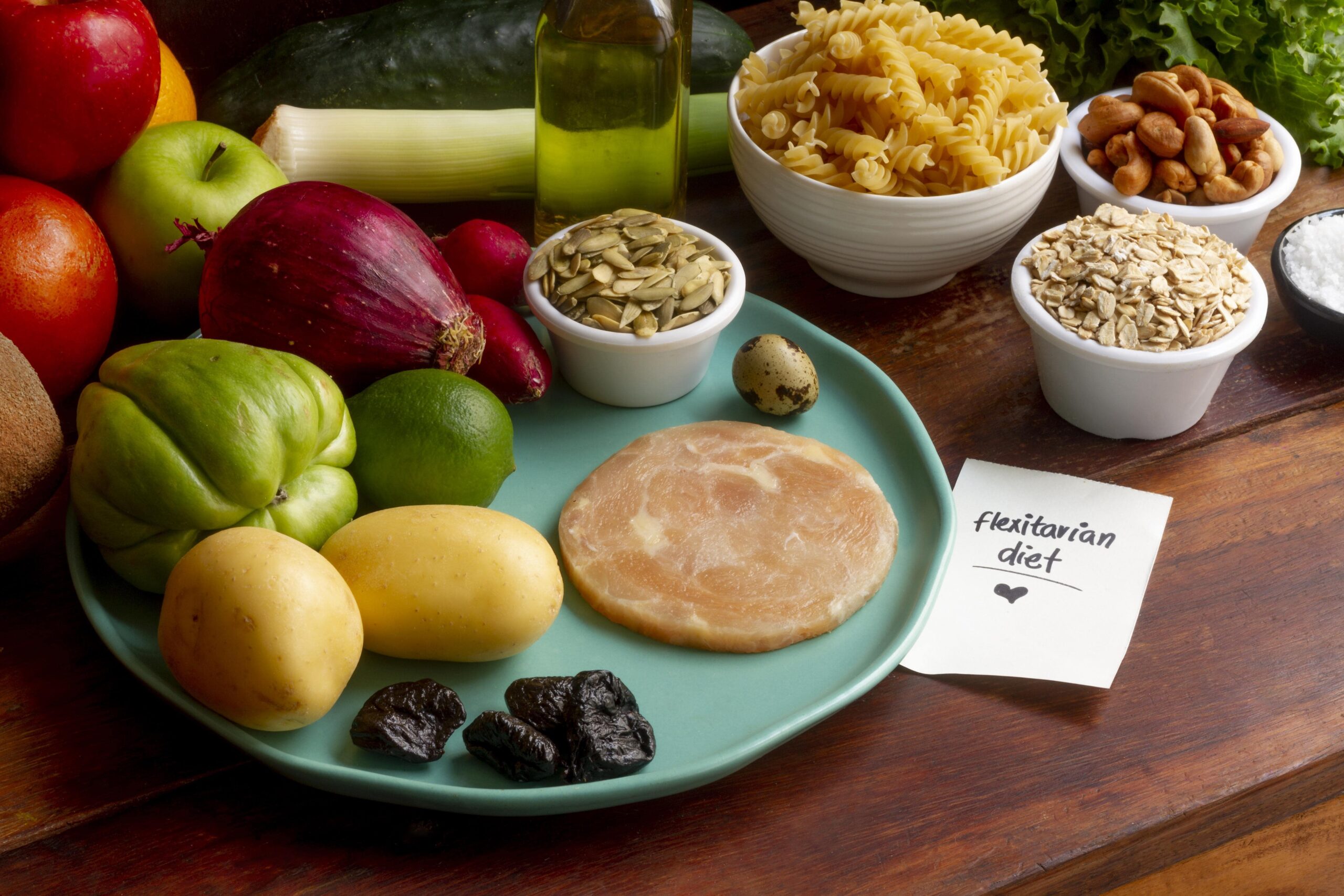
In today’s fast-paced world, more people are turning to fasting — not just for religious reasons, but also for health and wellness. But here’s something you may not know: many so-called “pure” fasting staples are often compromised by food contaminants, including adulterants, heavy metals, and pesticides. Choosing the right products during fasting goes beyond picking up items labeled “Satvik” or “pure.” It’s about understanding food labels, lab certifications, and ensuring your food has undergone proper lab test for food products in a certified food analysis lab.
In this guide, we’ll walk you through how to choose fasting staples that are truly safe, pure, and lab-tested — ensuring your fast is as clean and healthy as it’s intended to be.
Why Purity in Fasting Staples Is Non-Negotiable
Fasting is often seen as a cleansing ritual — for the body, mind, and soul. But how clean are the foods we consume while fasting?
Let’s take a few examples:
- Sendha Namak (rock salt) is often adulterated with common salt or industrial chemicals.
- Sabudana (tapioca pearls) may contain synthetic whitening agents.
- Buckwheat flour (Kuttu) can have mold or fungal growth due to improper storage.
- Cold-pressed oils may contain food contaminants like aflatoxins, lead, or mineral oils.
These aren’t just rare occurrences — food safety audits in India have revealed frequent adulteration in so-called fasting-safe products. That’s why choosing staples that have passed through a trusted food testing lab in India is essential for safeguarding your health.
Reading Labels Right: What to Look for in Fasting Staples
Reading labels is your first line of defense against contaminated or mislabelled food. However, most people only glance at the expiry date and ignore the rest. Here’s what you should check:
Look for These on Labels:
-
FSSAI License Number
Indicates the manufacturer is legally registered and follows food safety standards. -
Nutritional Facts Panel
Important for those following calorie-controlled fasts. -
Fortification Logos
If you’re using fortified salt, milk, or rice — look for the +F logo approved by FSSAI. -
Allergen Warnings
Especially important for nut-based flours and oil products. -
Organic Certifications
For those choosing organic fasting staples, ensure the product is certified under NPOP, NOP, or EU Organic standards.
⚠️ Warning: A label is not a guarantee of purity. Many products may be mislabelled or inaccurately represent what’s inside the packet. That’s why verification through food product lab testing is essential.
How Food Testing Labs in India Help Detect Food Contaminants
Food safety isn’t just a regulatory checkbox — it’s a scientific process. A food analysis lab conducts specialized tests to ensure fasting staples meet the highest quality and purity standards.
Here’s what is typically tested:
| Test Type | Purpose |
| Microbiological Testing | Detects bacteria, yeast, molds |
| Chemical Testing | Checks for adulterants, preservatives, acidity |
| Heavy Metal Analysis | Lead, mercury, arsenic, cadmium — all toxic and common in unregulated items |
| Pesticide Residue Testing | Essential for organic fasting staples |
| Nutritional Labelling | Verifies calorie, protein, fat, and sugar content |
Using an accredited lab testing of food products ensures your fasting staples are not only label-compliant but actually safe to consume.
Inspection Lab India: Why Lab Accreditations Matter
Not all food labs are created equal. When it comes to safety, the lab’s credentials matter. An inspection lab in India that holds government and international certifications ensures:
- Accurate, reliable testing
- Adherence to global standards
- Compliance with regulatory frameworks
Recognized Certifications to Look For:
- NABL (ISO/IEC 17025:2017) – India’s top accreditation for technical competence
- FSSAI Approval – Mandatory for food testing labs in India
- BIS Empanelment – Bureau of Indian Standards trusted
- APEDA Recognition – For export-grade food quality
- Organic Certification Bodies – NOP, NPOP, EU Organic
Labs that lack these credentials may not be equipped to offer dependable quality inspection services in India.
Types of Lab Test for Food Products and Their Relevance
Here’s a quick rundown of various tests that testing labs in India offer and why they matter:
- Microbial Analysis – Especially crucial for dairy-based fasting products like paneer or curd.
- Moisture & Shelf-life Testing – Important for packaged items like Kuttu flour or Samak rice.
- Nutritional Labelling Validation – For calorie counters and diabetics observing fasts.
- Adulteration Testing – Detects common harmful additives like urea in milk or chalk powder in flour.
- Oil and Gas Testing – Yes, even cooking oils can be tested for contaminants, viscosity, and quality using oil and gas testing technologies.
How to Choose the Right Food Testing Lab in India
Choosing a food testing partner is about trust. Whether you’re a manufacturer of fasting foods, a restaurant, or a health-conscious consumer, ask the following:
- Does the lab have NABL, FSSAI, and BIS certifications?
- Do they offer a full range of food product lab testing?
- What is their turnaround time for reports?
- Do they specialize in quality inspection services in India?
- Can they offer support for exports, nutritional labelling, and product recalls?
Why You Should Choose ITC Labs for Food Testing
When it comes to verified, trusted, and comprehensive food testing in India, we at ITC Labs stand apart.
Here’s Why:
- FSSAI Approved & NABL Accredited (ISO/IEC 17025:2017)
- Recognised by APEDA, BIS, Tea Board, Spices Board & Organic Certification Bodies (NOP, NPOP, EU Organic)
- Approved for Fortified Foods Testing – Rice, Milk, Oil, Salt
- Expertise in Nutritional Labelling, Contaminant Detection, Shelf-Life Testing, and Allergen Analysis
- Servicing multiple industries including bakery, dairy, oils & fats, spices, and nutraceuticals
- Support across all phases – from R&D to market entry
We provide lab test for food products with unmatched accuracy and full regulatory compliance. Whether you are a consumer or a manufacturer, our team ensures that your fasting staples are pure, safe, and ready for consumption.
Conclusion
Fasting is a personal and spiritual journey, but the foods you consume during this period should reflect the same discipline and care. In a market flooded with adulterated and mislabelled products, your safest option is to choose lab-tested, certified fasting staples that are free of food contaminants and validated by an accredited food analysis lab.
At ITC Labs, we bring over a decade of experience in ensuring food safety, backed by certifications from NABL, FSSAI, BIS, and global organic standards. We are your trusted partner for everything from quality inspection services in India to nutritional labelling and compliance support.
Frequently Asked Questions (FAQs)
1. Why is food testing important for fasting staples?
Because many fasting foods are consumed raw or minimally processed, ensuring they are free of food contaminants is crucial for health and safety.
2. How can I know if my food has been lab-tested?
Look for labels that mention FSSAI compliance and certifications. Better yet, opt for products tested by trusted labs like ITC Labs.
3. What are common contaminants in fasting staples?
Pesticides, adulterants (e.g., chalk in flour), heavy metals, and microbial contamination.
4. How do food testing laboratories ensure product safety?
They run tests for microbes, chemicals, metals, and allergens, along with shelf-life and nutritional accuracy.
5. Is ITC Labs suitable for small food businesses?
Absolutely. We support everything from startups to large-scale manufacturers with reliable food product lab testing.
6. Can consumers get food products tested themselves?
Yes, individuals can approach labs like ours for custom testing and safety verification of specific food items.
Ready to ensure the purity of your fasting staples? Connect with us at ITC Labs 0172-2565825 , 8284004411 — your trusted FSSAI-approved food testing lab in India.