
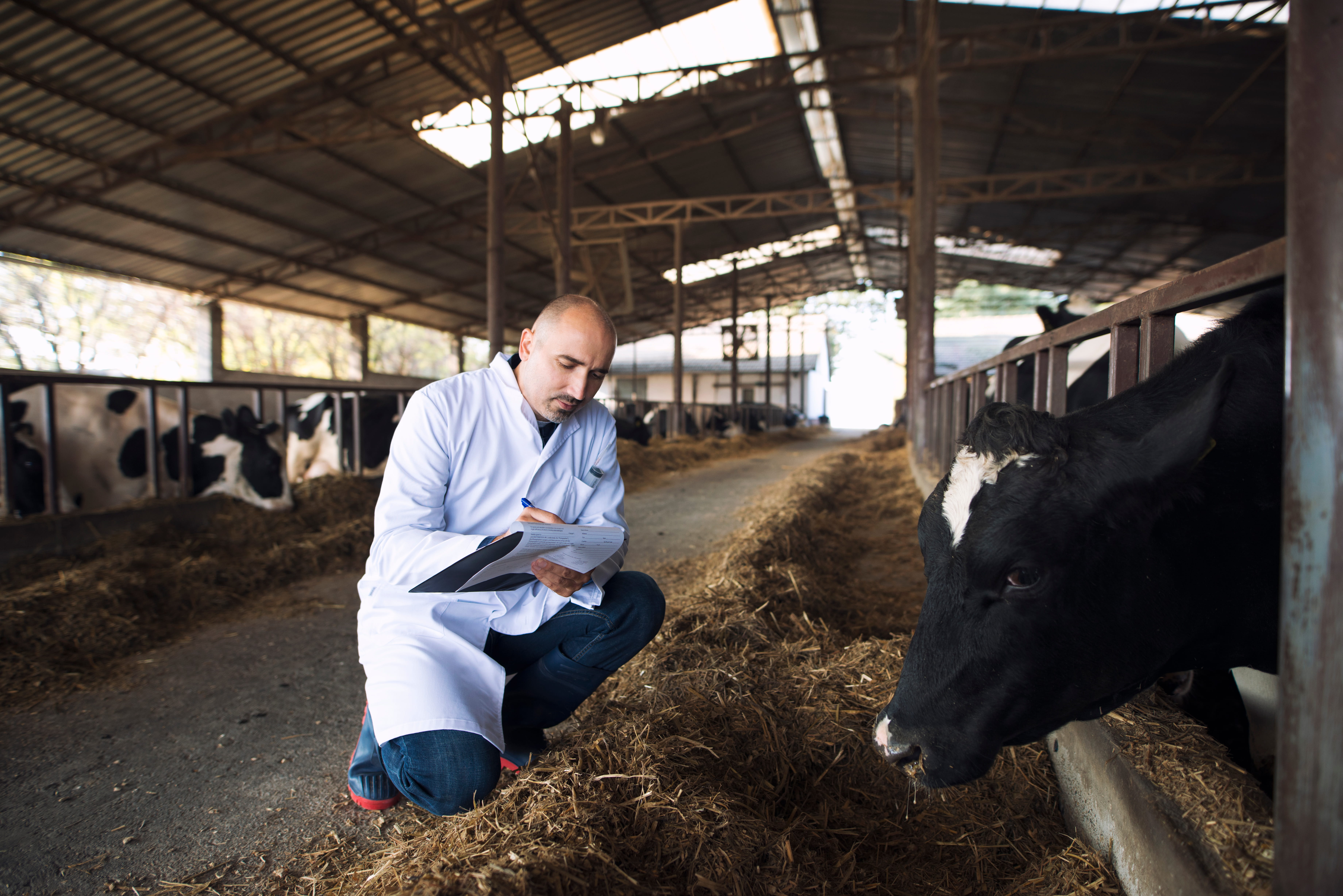
Think about the last glass of milk you had. Or the paneer in last night’s dinner. Chances are, you never stopped to wonder what the cow that produced it was fed. But for cattle feed manufacturers in India, that question is impossible to ignore. Because what goes into feed doesn’t stay neatly contained on a farm, it travels through the animal, shows up in milk and meat, and eventually reaches everyday consumers who never once thought about what that animal was fed. That chain of events is exactly why working with a trusted cattle feed testing lab isn’t something manufacturers should treat as a box to tick. It’s a genuine public health responsibility, one that sits squarely on the shoulders of everyone who makes the feed.
The Hidden Risks in Cattle Feed
Cattle feed is a carefully balanced mix of grains, proteins, minerals, and supplements. But when quality slips through poorly sourced ingredients, bad storage, or manufacturing shortcuts, it becomes a contamination risk that travels directly into the human food supply.
The risks are well-documented:
- Mycotoxins produced by fungi accumulate in milk and meat and don’t disappear during processing.
- Heavy metals such as lead, arsenic, and cadmium transfer from contaminated raw materials into dairy and meat products.
- Pathogens such as Salmonella and E. coli thrive in poorly stored feed and cause foodborne illness that’s often impossible to trace.
- Nutritional imbalances— too much or too little of key vitamins and minerals- quietly erode livestock immunity and drag down product quality.
None of these risks is inevitable. But managing them requires consistent cattle feed testing procedures carried out by a reliable animal feed testing laboratory.
How Feed Quality Impacts Human Health
Healthy animals produce safer food. It sounds obvious, but the implications run deeper than most manufacturers realise.
Contaminants don’t stop at the animal. They move through its biology and into the products millions of consumers use daily without question. Mycotoxins and antibiotic residues from feed show up in milk. Heavy metals accumulate in meat tissue over time. Pathogens survive into final products and cause serious illness. And overuse of medicated feed quietly fuels antibiotic resistance, one of the biggest public health challenges of our time.
The four areas where this plays out most directly:
- Milk and dairy— mycotoxins and antibiotic residues from feed enter milk and affect everyone who consumes dairy products
- Meat quality— heavy metals and toxic residues build up in animal tissue, creating long-term health risks
- Foodborne illness— feed pathogens travel forward through processing and reach consumers
- Antibiotic resistance— overuse of medicated feed promotes resistant bacteria with serious public health consequences
Effective animal feed testing methods are how these risks get identified and stopped before they leave the manufacturing floor.
The Role of a Cattle Feed Testing Lab
Manufacturers who have dealt with a contamination incident will tell you the same thing — they wish they had worked with a better accredited testing laboratory from the start.
A dependable cattle feed testing lab does four things that matter:
- Catches toxins, heavy metals, and pesticide residues before they reach animals
- Verifies nutritional composition against formulation targets
- Monitors microbial content before bacterial issues escalate
- Provides documented compliance with national and international food safety standards
Partnering with an analytical testing laboratory or quality assurance testing laboratory is not just a compliance exercise. It is an investment in consumer trust, brand credibility, and long-term product safety.
Best Practices for Manufacturers
Testing works best as part of a broader quality culture. Five practices that make the biggest difference:
Routine testing — schedule regular checks through certified R&D labs and animal feed testing laboratories, rather than testing only when problems arise.
Supplier verification — audit raw material suppliers consistently. Most contamination problems start upstream.
Storage protocols — control temperature and humidity in storage facilities. Poor conditions are the primary driver of fungal growth and mycotoxin development.
Documentation and traceability — maintain detailed records of feed composition, test results, and batch tracking so problems can be identified and contained quickly.
Work with an accredited lab — results from a recognised accredited testing lab are accurate, defensible, and actually useful for decision-making.
A robust cattle feed testing procedure built around these practices protects livestock, safeguards consumers, and builds the kind of reputation that sustains a business for the long term.
Conclusion
Most consumers never think about what a cow was fed before they pour milk into their morning tea. But that gap in awareness doesn’t reduce the risk — it just means the responsibility falls entirely on the people who manufacture the feed. What goes into cattle feed has a direct, well-documented path to what ends up in human bodies, and contaminated or nutritionally poor feed doesn’t politely stay on the farm. It moves — through the animal, through processing, through retail — and reaches millions of people who had no part in the decisions that put it there.
Cattle feed testing is the intervention point that manufacturers control. Used consistently and rigorously, it is one of the most effective tools available for producing feed that is safe, compliant, and genuinely fit for purpose.
For manufacturers who want a testing partner with genuine depth, ITC Labs offers years of analytical experience backed by NABL accreditation. As one of only 25 laboratories in India certified to conduct cattle feed testing services under ISO 2052:2023 standards, we work with manufacturers across the country on everything from routine nutritional analysis to complete regulatory compliance support — giving them the documentation, the data, and the confidence to meet every standard that matters.
Frequently Asked Questions
What is a Cattle Feed Testing Lab?
A cattle feed testing lab is a specialised facility that evaluates feed for nutritional quality, safety, and contamination, helping manufacturers ensure healthy livestock and safe food products.
Why should I choose a Cattle Feed Testing Lab near me?
Choosing a cattle feed testing lab near me provides faster results, easier sample submission, and local support for routine cattle feed testing procedures.
What services are included in Cattle Feed Testing Services?
Cattle feed testing services include analysis of protein, fat, fibre, vitamins, minerals, mycotoxins, heavy metals, and microbial contamination to ensure feed quality and safety.
What is a Cattle Feed Testing Procedure?
A cattle feed testing procedure involves collecting feed samples, performing laboratory tests for nutrients and contaminants, and generating detailed reports for quality assurance.
Why use an Accredited Testing Lab for feed analysis?
An accredited testing lab guarantees accurate, reliable, and standardised results, helping manufacturers comply with food safety regulations and maintain consumer trust.
What is an Analytical Testing Laboratory for feed?
An analytical testing laboratory conducts scientific tests to measure the nutritional and safety parameters of feed, ensuring livestock health and product quality.
How does a Quality Assurance Testing Laboratory help feed manufacturers?
A quality assurance testing laboratory ensures all feed batches meet required standards, minimising risks of contamination and nutritional imbalances.
What are Animal Feed Testing Methods?
Animal feed testing methods include chemical analysis, microbiological testing, and contaminant screening to assess feed quality and safety.