
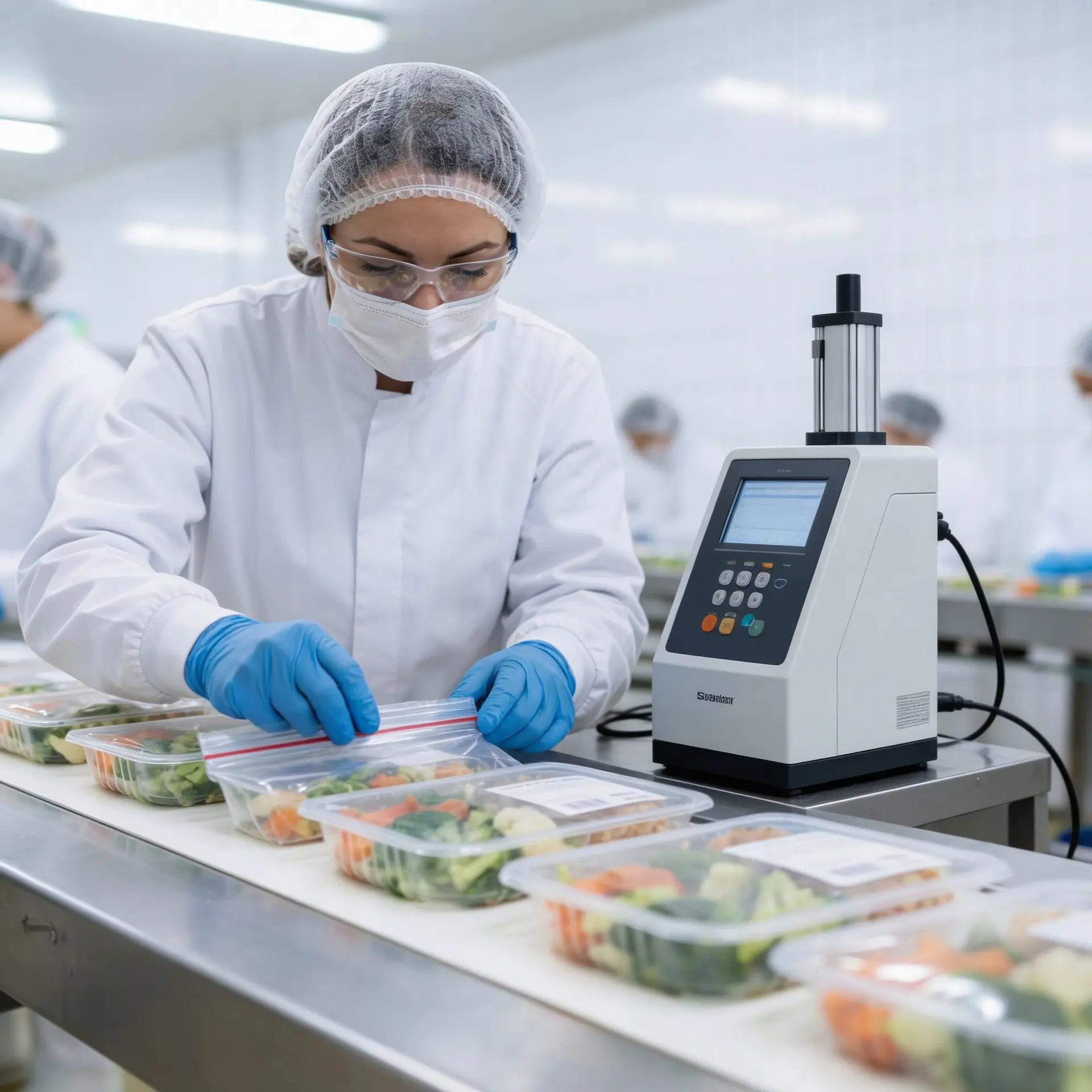
Food safety in India doesn’t stop at what’s inside the product—the packaging matters just as much. This is where food packaging testing becomes essential under FSSAI regulations. Under Food Safety and Standards Authority of India (FSSAI) regulations, packaging that doesn’t meet safety standards can contaminate food, mislead consumers, and land manufacturers with penalties or product recalls.
The consequences are real — and they’re not rare. They’re missed because food packaging testing was never done in the first place. Too many food business operators assume their packaging is compliant because it looks right or because they’ve been buying from the same vendor for years. Neither is a substitute for actual testing. That assumption can be risky.
This blog breaks down how to verify compliance through packaging testing, what standards to check, and when to involve a professional packaging testing lab.
Why FSSAI Compliance Matters in Food Packaging Testing
FSSAI mandates that food packaging must be safe, non-toxic, and suitable for its intended use. Packaging should not:
- Leach harmful chemicals into food
- React with the contents
- Alter taste, odor, or composition
This is where Food packaging testing becomes critical. Without proper validation, even high-quality food products can fail safety standards due to poor packaging materials.
Signs You Need Food Packaging Testing for FSSAI Compliance
Before getting into the technical side of packaging testing methods, it’s worth pausing on some warning signs that are easy to overlook. No documented test reports from a certified packaging testing lab. Low-grade or recycled plastics are being used without any verification of what’s actually in them.
Ink that smudges or packaging that carries a faint chemical odour. No migration test data on file. No traceability across packaging batches. These aren’t edge cases — they’re common gaps in food manufacturing supply chains, and any one of them is a reason to get food packaging safety testing done before a regulator or buyer does it for you.
Essential Packaging Testing Methods for Food Packaging Compliance
Compliance isn’t guesswork—it’s proven through standardized packaging testing methods. Some of the most important ones include:
1. Migration Testing
Migration testing checks whether harmful substances are transferring from your packaging into the food it contains. It’s one of the most critical parameters in food packaging material testing — and under FSSAI guidelines, it’s not optional.
2. Chemical Testing
Chemical analysis looks for toxic elements — heavy metals, plasticisers, solvents — that have no business being in food contact materials. It’s a standard part of packaging materials testing, and one of the more common places non-compliance gets caught.
3. Mechanical & Strength Testing
Physical and mechanical testing checks whether your packaging actually holds up through the conditions it will face — transport, stacking, storage, and temperature shifts. It’s a core part of product packaging testing and directly affects whether the food inside reaches the consumer in the condition it left the factory.
4. Barrier Property Testing
Barrier performance testing measures how effectively packaging keeps moisture, oxygen, and light out — three factors that directly determine shelf life and whether your product reaches the consumer in the condition you intended.
These tests are typically offered by specialised packaging testing services that follow national and international standards.
What FSSAI Looks for in Food Packaging
To meet compliance, your packaging must align with:
- Material safety standards (plastics, paper, metal, etc.)
- Migration limits for chemicals
- Labelling and ink safety
- Suitability for specific food types
Conducting proper Food Packaging Testing Services ensures that your packaging meets all these criteria before reaching the market.
Why Businesses Are Investing in Packaging Testing
With rising consumer awareness and stricter regulations, companies are prioritizing Food packaging testing more than ever. Here’s why:
- Avoid product recalls and legal penalties
- Ensure consumer safety and brand trust
- Improve shelf life and product performance
- Meet export and international compliance standards
Searching for Food packaging testing near me is often the first step businesses take when they realise the importance of verified compliance.
Conclusion
FSSAI compliance isn’t a formality you clear once and forget. It’s an ongoing commitment — to the safety of the food you’re putting out, to the consumers buying it, and to the credibility of your brand in a market where trust is hard to build and easy to lose. Packaging that hasn’t been properly tested is a gap in that commitment, regardless of how good the product inside is. Investing in food packaging testing services is how manufacturers close that gap — staying ahead of regulatory requirements rather than scrambling to catch up after an audit or a rejection.
When it comes to dependable packaging testing services in India, ITC Labs is a partner food businesses can rely on. With over three decades of analytical testing experience, advanced laboratory capabilities, and deep expertise in food packaging testing, packaging materials testing, and full FSSAI compliance support, ITC Labs gives manufacturers the documentation and confidence they need to stand behind their packaging. Whether you need food packaging safety testing for a new material, detailed product packaging testing across an existing range, or are simply looking for food packaging testing near me, ITC Labs delivers accurate, timely results that hold up with regulators, buyers, and auditors. Get in touch with the team to discuss your requirements.
Frequently Asked Questions
1. What is food packaging testing and why is it important?
Food packaging testing ensures packaging materials are safe, non-toxic, and compliant with regulations. It helps prevent contamination, protects product quality, and ensures adherence to FSSAI guidelines through proper packaging testing methods.
2. How do packaging testing services help with FSSAI compliance?
Packaging testing services evaluate materials for safety, migration limits, and durability. They ensure your packaging meets FSSAI standards and reduce the risk of non-compliance, recalls, or penalties through proper food packaging safety testing.
3. What are the key packaging testing methods used for food packaging?
Common packaging testing methods include migration testing, chemical analysis, and strength testing. These methods help assess safety, durability, and suitability of packaging materials for food contact applications.
4. Why should I choose a certified packaging testing lab?
A certified packaging testing lab ensures accurate, reliable results aligned with regulatory standards. It provides validated reports for food packaging material testing, helping businesses maintain compliance and build trust with consumers and regulators.
5. What does food packaging material testing include?
Food packaging material testing includes checking for chemical migration, toxicity, and material stability. It ensures packaging does not contaminate food and complies with safety standards required for food-grade materials.
6. How often should product packaging testing be conducted?
Product packaging testing should be conducted during initial development and periodically thereafter. Regular testing ensures consistent quality, detects material changes, and maintains compliance with evolving FSSAI regulations.
7. What are the benefits of food packaging safety testing for businesses?
Food packaging safety testing helps businesses avoid regulatory penalties, improve product shelf life, and enhance consumer trust. It ensures packaging integrity and supports long-term compliance with safety standards.