
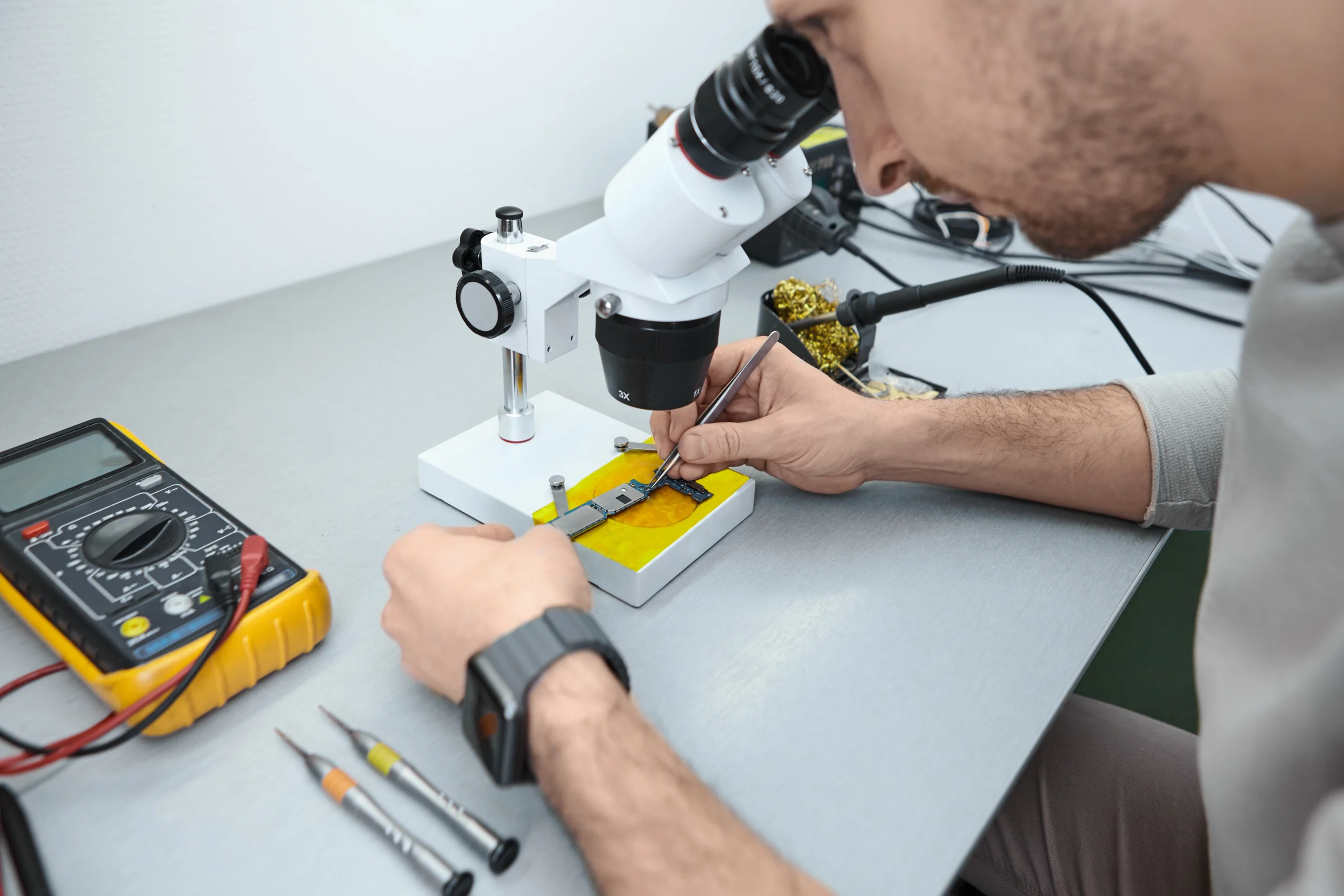
Bringing an electrical product to market takes more than good design and solid manufacturing. Every unit — before it reaches a retailer, distributor, or end user — has to clear a defined set of tests. Safety. Compliance. Fit for purpose. Skip that process, and the consequences aren’t minor. Recalls, regulatory penalties, import bans, and reputational damage that lingers long after the product is pulled. For manufacturers in India or those exporting to regulated markets, working with a qualified electrical safety testing lab isn’t a choice you get to defer — it’s what separates a product that ships from one that doesn’t.
Here are the ten tests that matter most before any electrical product goes to market :
1. Dielectric Strength Testing
Insulation that looks fine under normal conditions can break down completely under voltage stress. Dielectric strength testing applies a voltage well above the product’s rated level for a defined period — confirming that insulation integrity actually holds when it’s pushed.
It’s a fundamental part of electrical and electronics testing for good reason: if insulation fails, the product becomes a shock or fire hazard, full stop. Any credible electronic and electrical testing laboratory will run this early in a new product submission, and for good reason.
2. Earth Continuity Testing
A metal enclosure on an electrical product is only as safe as the earth connection behind it. Earth continuity testing verifies that the connection is solid and that fault current has a reliable path to ground. Get that wrong — a weak joint, a broken connection — and the enclosure itself can become live in the event of an internal fault.
That’s a direct risk to anyone handling the product. It’s a core requirement across virtually every electrical safety testing framework in India and internationally, and it’s not one manufacturers can afford to overlook.
3. Insulation Resistance Testing
Good insulation doesn’t just prevent current from going where it shouldn’t — it needs to keep doing that consistently, across varying conditions and over time. Insulation resistance testing measures exactly how well insulating materials are holding that line. Even small amounts of leakage current can become hazardous, particularly in humid environments or products used anywhere near water.
Electrical testing laboratories in India include this as a standard part of compliance test batteries, and it’s a required parameter under BIS certification across a wide range of electrical appliances and components.
4. Leakage Current Testing
Where insulation resistance testing looks at the materials, leakage current testing looks at what’s actually happening in operation — measuring the current flowing from live parts to accessible surfaces or earth under normal working conditions. Regulatory limits vary by product category, but exceeding them means the product fails. That limit exists for a reason.
High leakage current is one of the leading causes of electric shock incidents in both consumer and industrial electrical equipment. Any electrical and electronics safety test lab in India that’s serious about compliance will have this firmly in scope.
5. Temperature Rise Testing
Every electrical product generates heat in operation. That’s expected. What matters is whether that heat stays within safe limits — at every accessible surface and every critical internal component. Temperature rise testing runs the product under rated load conditions and measures thermal performance against defined thresholds. Overheating isn’t just a comfort issue — it’s a fire and burn risk. And when products fail here, it almost always points back to the same design problems: inadequate ventilation, undersized components, or thermal management that looked fine on paper but doesn’t hold up in practice. These are things that need resolving before market entry, not after.
6. RoHS and Restricted Substance Testing
If your product is going to the EU, RoHS compliance isn’t a discussion — it’s a requirement. The Restriction of Hazardous Substances directive puts defined limits on lead, mercury, cadmium, hexavalent chromium, and certain flame retardants in electrical and electronic equipment. And increasingly, markets beyond Europe are moving in the same direction. This is a core part of electrical and electronics testing for any export-oriented manufacturer, and it’s not something you can eyeball — it requires analytical testing using ED-XRF, ICP-MS, and related techniques. An accredited electronic and electrical testing laboratory will have both the instrumentation and the methodology to produce results that actually hold up with European customs and regulators.
7. VOC Testing
Plastics, adhesives, coatings — the materials that go into electrical and electronic products emit volatile organic compounds, often in ways that aren’t visible or immediately obvious. VOC testing measures the type and concentration of those emissions, and it matters on two fronts: indoor air quality and compliance with international standards that are tightening across key markets. It’s particularly relevant for products used in enclosed spaces — automotive interiors, home appliances, office equipment — where emission levels build up over time. VOC testing labs use GC-MS with thermal desorbers and headspace analysers to build a full emission profile. Demand from global buyers has grown sharply in recent years, and manufacturers who haven’t built this into their testing programme are increasingly finding it flagged in procurement audits.
8. Odour Testing
Odour testing evaluates the smell emitted by materials used in electrical and electronic products — and while it might sound less rigorous than dielectric strength or leakage current testing, it’s a genuine compliance and quality parameter for several market categories. Products used in vehicle interiors, wearables, and home appliances sit in close proximity to users for extended periods. That makes emissions — including odour — a real consideration.
German automotive OEMs have strict odour grading requirements for all interior components, and they’re not alone. An electrical safety testing lab with odour testing capability uses trained assessor panels and standardised protocols to produce results that are objective and repeatable — not subjective impressions.
9. Aldehyde and Ketones Testing
A standard VOC profile covers a broad range of emissions — but aldehydes and ketones need their own targeted analysis. Formaldehyde is a regulated substance in many markets, with defined emission limits for products used in indoor environments, and it doesn’t always show up with adequate resolution in a general VOC screen. Ketone testing is relevant wherever solvents are used in manufacturing or certain plastics are present in the product.
For manufacturers supplying automotive, consumer electronics, or home appliance sectors, aldehyde and ketone testing is becoming a standard part of both incoming material checks and finished product sign-off — not an occasional add-on. Electrical testing laboratories in India with GC-MS capability can run these analyses to international method standards, giving manufacturers results that hold up with global buyers and auditors.
10. EMC Testing (Electromagnetic Compatibility)
EMC testing covers two directions at once. First, that your product isn’t emitting electromagnetic interference that disrupts other equipment nearby. Second, it can keep functioning correctly when external electromagnetic disturbances are present.
Both are required for CE marking in the EU and for BIS certification across several product categories in India. EMC failures are more common than most manufacturers expect — they tend to show up in products where design shortcuts have been taken, and they’re rarely obvious until formal testing begins. Catching them in an electronic and electrical testing laboratory before launch is a fraction of the cost of dealing with a post-market compliance action or a product recall.
Why the Choice of Testing Lab Matters
Running these ten tests is only half the equation. Reports from a recognised electrical and electronics safety test lab in India carry real regulatory weight — accepted by BIS, customs authorities, and international buyers. An unaccredited lab might run the same tests, but produce documentation that gets rejected at the border or flagged in an audit. For manufacturers serious about market access, choosing the right electrical testing laboratories in India from the start is what keeps launch timelines intact.
ITC Labs is a NABL-accredited electrical safety testing lab and one of the trusted Electrical Testing Laboratories in India, offering end-to-end electrical & electronics testing services. Our electronic and electrical testing laboratory covers the full scope above — from dielectric strength and leakage current to VOC testing, odour testing, ketones testing, and RoHS compliance. Get in touch with ITC Labs to discuss your testing requirements.
Frequently Asked Questions
1. What is electrical & electronics testing and why is it important?
Electrical & electronics testing ensures products meet safety, performance, and compliance standards, reducing risks like electric shock, fire hazards, and regulatory failures before market launch.
2. What tests are performed in an electrical safety testing lab?
An electrical safety testing lab performs dielectric strength, insulation resistance, leakage current, and earth continuity tests to ensure products operate safely under normal and fault conditions.
3. Why should manufacturers use Electrical Testing Laboratories in India?
Electrical Testing Laboratories in India provide cost-effective, standardised testing with globally accepted reports, helping manufacturers meet BIS, CE, and international compliance requirements efficiently.
4. What is VOC testing in electrical products?
VOC testing identifies volatile organic compound emissions from materials used in electrical products, ensuring compliance with indoor air quality standards and global environmental regulations.
5. How do VOC testing labs support compliance?
VOC testing labs use advanced techniques like GC-MS to analyse emissions, helping manufacturers meet international standards and avoid product rejection in regulated export markets.
6. Why is odour testing important in electrical & electronics testing?
Odour testing evaluates material emissions affecting user experience, especially in enclosed environments like homes or vehicles, ensuring products meet comfort and regulatory requirements.
7. What is ketones testing and when is it required?
Ketones testing detects solvent-related emissions in electrical products, ensuring compliance with safety standards, particularly for electronics, automotive components, and appliances used indoors.
8. What does an Electronic and Electrical Testing Laboratory evaluate?
An Electronic and Electrical Testing Laboratory evaluates safety, durability, emissions, and compliance through multiple tests, ensuring products meet regulatory and performance benchmarks before market entry.
9. What is the role of an Electrical and Electronics Safety Test Lab in India?
An Electrical and Electronics Safety Test Lab in India ensures products meet BIS and international safety standards, providing certified reports required for approvals, exports, and market acceptance.