
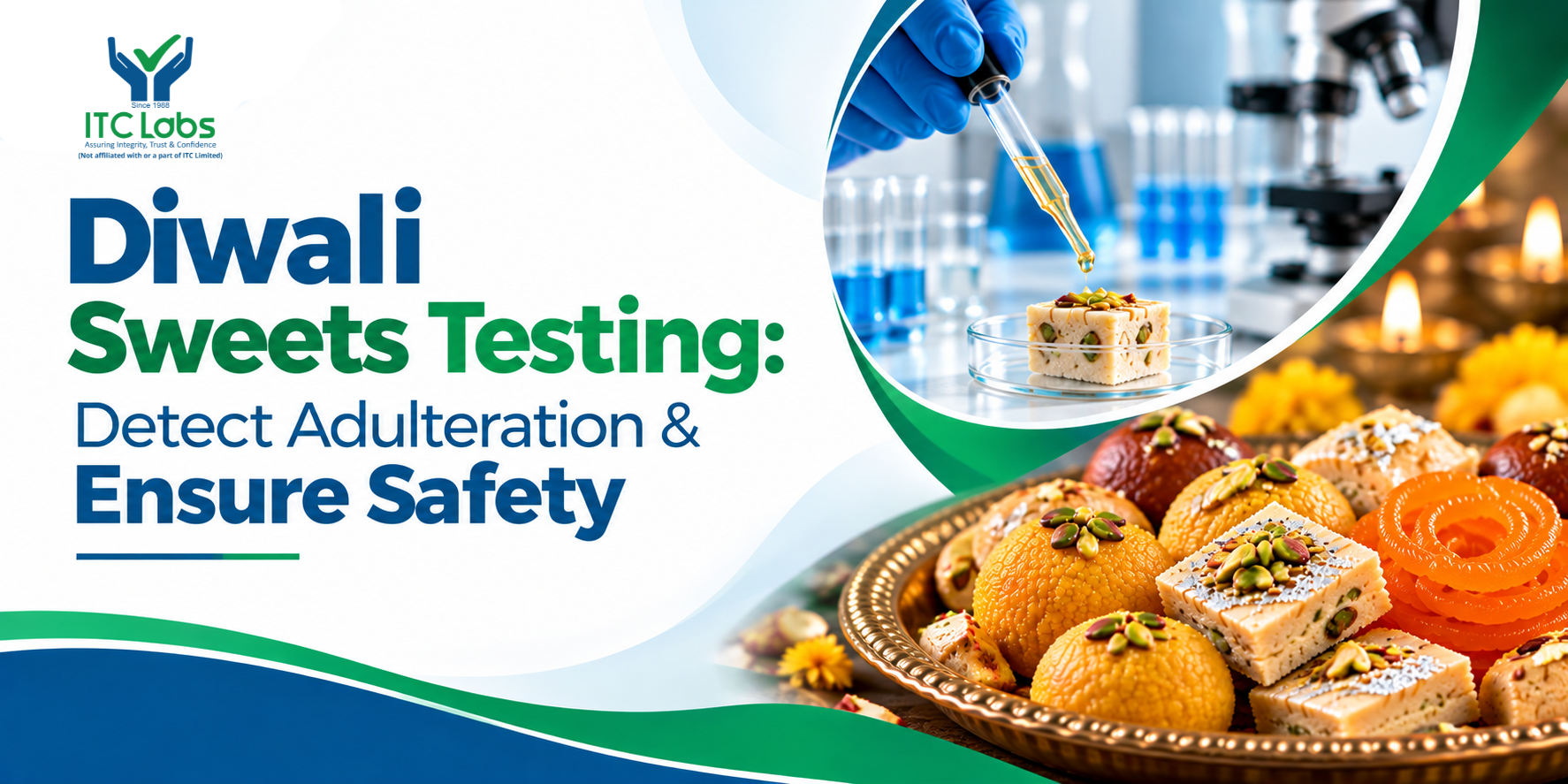
Diwali is one of India’s most celebrated festivals, bringing families and friends together to share happiness, exchange gifts, and enjoy traditional sweets. From kaju katli and laddoos to gulab jamun, barfi, and rasgulla, sweets are an essential part of Diwali celebrations. However, the increased demand for festive treats also highlights the importance of food safety, quality control, and the prevention of food adulteration.
During the festive season, sweets and their key ingredients, including milk, ghee, khoya, sugar, and edible oils, require careful quality assessment. Poor-quality raw materials, improper storage, unhygienic handling, and the use of unauthorised ingredients can affect the safety and quality of sweets.
This is where sweets adulteration testing plays an important role. Laboratory analysis helps manufacturers, retailers, and food businesses evaluate product quality, identify potential adulterants, and verify compliance with applicable food safety requirements.
In this guide, we explore common adulteration concerns, essential sweets quality testing methods, and the importance of laboratory testing in ensuring safer Diwali celebrations.
Why Is Sweets Adulteration Testing Important During Diwali?
Diwali often brings a significant increase in the production and consumption of Indian sweets. To meet consumer demand, sweet manufacturers and retailers may handle larger quantities of ingredients and finished products within shorter periods.
Without appropriate quality control, this increased production can create challenges related to ingredient purity, hygiene, storage, and product consistency.
Sweets adulteration testing helps assess whether products meet applicable quality and safety requirements. Depending on the product and the risks involved, laboratory analysis can evaluate chemical composition, identify selected contaminants, assess microbiological quality, and verify nutritional information.
The main benefits of sweets testing include:
- Ingredient verification: Helps assess the quality and composition of milk, ghee, khoya, edible oils, and other raw materials.
- Adulterant detection: Identifies selected unauthorised or substituted substances through appropriate analytical methods.
- Food safety assessment: Helps detect relevant chemical contaminants and microbiological hazards.
- Regulatory compliance: Supports businesses in meeting applicable food safety and quality requirements.
- Consumer confidence: Provides documented analytical results that support informed purchasing and quality assurance.
For sweet manufacturers, wholesalers, retailers, and packaged food brands, regular laboratory testing is an important part of a preventive food safety programme.
Common Adulteration Concerns in Indian Sweets
Different sweets have different ingredients and processing requirements. Therefore, the potential adulteration risks and appropriate testing methods depend on the product formulation.
1. Khoya and Mawa Adulteration
Khoya, also known as mawa, is widely used in traditional Indian sweets such as peda, barfi, kalakand, and gulab jamun. Because it is a concentrated milk product, its composition and microbiological quality are important considerations.
Potential concerns include the substitution or addition of unsuitable ingredients, non-compliant additives, and contamination resulting from poor handling or storage.
Khoya adulteration testing and mawa quality testing can help evaluate relevant compositional parameters and identify selected adulterants where validated analytical methods are available.
2. Ghee and Edible Oil Adulteration
Ghee contributes flavour, aroma, and texture to many Indian sweets. The quality of ghee can influence both the characteristics of the finished product and its overall consistency.
Potential concerns include the substitution of ghee with other fats or oils and the use of raw materials that do not meet applicable specifications.
Ghee purity testing and ghee adulteration testing can assess relevant physicochemical characteristics and help identify certain forms of adulteration using appropriate analytical techniques.
3. Milk and Dairy Ingredient Adulteration
Milk is a key ingredient in several sweets, including rasgulla, rasmalai, peda, and milk-based barfi. Its quality affects the composition, texture, and safety of these products.
Milk adulteration testing can help investigate suspected dilution or the presence of selected unauthorised substances. Milk quality testing may also assess fat, protein, and other relevant parameters, depending on the sample and testing requirements.
4. Unauthorised Colours and Additives
Brightly coloured sweets may attract consumers, but food colours and other additives must comply with applicable regulations and permitted-use conditions.
Laboratory analysis can help determine whether selected colours or additives are present and, where applicable, whether their levels meet the relevant requirements.
5. Contamination and Poor Storage
Not every food safety problem is caused by deliberate adulteration. Sweets containing milk, khoya, cream, or other moisture-rich ingredients can be vulnerable to microbial growth when production, handling, and storage conditions are inadequate.
Microbiological testing can help assess relevant organisms and indicators according to the product type and applicable standards. Appropriate storage, hygienic processing, and shelf-life validation are also essential.
Need Reliable Sweets Adulteration Testing Services?
Ensure sweet quality and purity with ITC Labs food testing services, including adulteration detection, dairy testing, and microbiological analysis.
Essential Laboratory Tests for Sweets Quality and Purity
Different products require different analytical approaches. A suitable testing plan should consider the ingredients, manufacturing process, intended shelf life, packaging, and applicable regulatory requirements.
1. Chemical Testing of Sweets
Chemical testing evaluates selected components and substances in a food sample. Depending on the product, it may include analysis of moisture, ash, acidity, fat, or other compositional parameters.
Targeted methods can also investigate suspected adulterants, unauthorised colours, preservatives, or contaminants where relevant.
Chemical testing of sweets helps manufacturers assess product consistency and investigate potential quality issues. The exact parameters should be selected according to the product category and the purpose of the analysis.
2. Milk and Dairy Product Testing
Milk, khoya, paneer, and other dairy ingredients require appropriate testing to assess their quality and composition.
Milk quality testing may include fat, protein, total solids, and other relevant parameters. Additional targeted tests may be selected when there is a specific concern about adulteration or contamination.
For manufacturers using dairy ingredients, testing incoming raw materials can help identify quality variations before they affect the finished sweets.
3. Ghee Purity Testing
Ghee purity testing helps evaluate the quality and composition of ghee used in sweet production. Depending on the requirements, analysis may include relevant physicochemical characteristics and validated tests for suspected substitution with other fats or oils.
These assessments can help businesses verify incoming ingredients and investigate deviations from established specifications.
4. Microbiological Testing of Sweets
Microbiological testing evaluates selected microorganisms or indicators relevant to the food product. The appropriate test panel depends on the ingredients, moisture content, processing conditions, and applicable standards.
This testing is particularly relevant to milk-based sweets, cream-filled products, and other products that may support microbial growth if handled or stored incorrectly.
Microbiological results can support hygiene monitoring, product release decisions, and shelf-life assessment when interpreted alongside other quality controls.
5. Shelf-Life Testing of Sweets
Shelf-life testing helps establish how long a product maintains its intended quality and safety under defined storage conditions.
Depending on the product, the assessment may include sensory characteristics, moisture changes, physicochemical parameters, packaging performance, and microbiological analysis at appropriate intervals.
For manufacturers launching new sweets or preparing for increased Diwali demand, shelf-life testing can support better inventory planning, storage recommendations, and product labelling decisions.
6. Nutritional Analysis and Labelling
Nutritional analysis helps determine relevant values such as energy, protein, carbohydrates, total sugars, total fat, and other applicable nutrients.
For packaged sweets, reliable analytical data can support nutritional labelling and help businesses meet applicable requirements. The specific parameters depend on the product and relevant labelling regulations.
How Do Laboratories Detect Adulteration in Sweets?
Laboratory testing involves more than simply examining the appearance, colour, smell, or texture of a sweet. Although these characteristics may raise questions, they cannot reliably establish whether a product is adulterated.
A structured laboratory testing process generally involves the following steps:
Step 1: Sample Collection
A representative sample is collected, identified, packaged, and transported under suitable conditions to preserve its integrity.
Step 2: Selection of Testing Parameters
The laboratory determines the appropriate tests based on the type of sweet, its ingredients, the suspected risk, and the customer’s requirements.
Step 3: Analytical Testing
Qualified personnel use suitable, validated methods and calibrated equipment to analyse the sample. Depending on the test, methods may include physicochemical analysis, chromatography, spectroscopy, or microbiological techniques.
Step 4: Interpretation of Results
The results are reviewed against applicable regulatory limits, recognised specifications, or agreed product requirements, wherever relevant.
Step 5: Reporting and Corrective Action
The laboratory provides a test report. If results indicate a potential quality or safety concern, the food business can investigate the source, review supplier controls, and take appropriate corrective action.
The reliability of the outcome depends on representative sampling, suitable methods, competent laboratory practices, and correct interpretation of the results.
How Can Sweet Manufacturers Ensure Quality During Diwali?
Laboratory testing is most effective when combined with preventive controls throughout the supply chain. Sweet manufacturers and retailers can take several practical steps to improve food safety during the festive season.
- Purchase ingredients from reliable suppliers: Maintain supplier records and verify the quality of incoming milk, ghee, khoya, sugar, and other ingredients.
- Conduct risk-based raw material testing: Select appropriate testing parameters according to ingredient specifications and potential adulteration risks.
- Maintain hygiene standards: Ensure clean equipment, safe water, hygienic handling, and appropriate employee practices.
- Control storage temperatures: Store perishable ingredients and finished products under suitable conditions.
- Monitor product consistency: Perform routine quality checks and investigate unusual variations in colour, texture, aroma, or composition.
- Validate shelf life: Establish suitable storage conditions and shelf-life periods using relevant evidence.
- Maintain traceability: Keep batch records, supplier details, testing reports, and corrective-action documentation.
- Use compliant ingredients and additives: Verify that ingredients and additives meet applicable food safety requirements.
These practices help businesses manage increased seasonal demand without compromising their quality standards.
Why Should Consumers Be Careful When Buying Diwali Sweets?
Consumers can reduce avoidable food safety risks by purchasing sweets from reputable sellers, checking packaging and dates where applicable, and following storage instructions.
Choose products that are properly covered and handled hygienically. Avoid sweets with unusual odours, visible spoilage, damaged packaging, or signs of improper storage.
It is important to remember that visual inspection and home-based checks cannot confirm the purity of sweets. Some adulterants and contaminants are not detectable through ordinary observation. Reliable confirmation may require appropriate laboratory analysis.
When a product appears suspicious, consumers should avoid consuming it and consider reporting the concern to the relevant food safety authority.
The Role of Food Testing Laboratories in Festive Food Safety
Food testing laboratories support manufacturers, retailers, and food businesses by providing analytical data for product quality, safety, and regulatory compliance.
Their services may cover chemical analysis, microbiological testing, contaminant detection, nutritional analysis, allergen testing, and shelf-life studies. The specific tests available depend on the laboratory’s capabilities, accreditation scope, and the applicable requirements.
For sweet manufacturers, these services can help assess raw materials, investigate quality deviations, validate finished products, and develop documented quality control procedures.
Choosing a competent laboratory with appropriate methods and relevant accreditation is important when making product safety and compliance decisions.
Writing
Why Choose ITC Labs for Food Testing?
For food manufacturers and businesses preparing for the Diwali season, choosing a reliable food testing partner is an important step towards maintaining product quality and consumer confidence.
ITC Labs provides food testing services to support businesses in assessing the quality, safety, and compliance of their products. According to the information provided by ITC Labs, the laboratory is recognised by regulatory bodies and accreditation organisations, including NABL, FSSAI, and APEDA, subject to the applicable recognition and testing scope.
ITC Labs offers testing services across several food categories, including bakery products, oils and fats, spices, dairy products, and nutraceuticals.
Its food testing capabilities support different stages of product development and market entry through services such as:
- Food quality and chemical analysis: Helps evaluate relevant product characteristics and compositional parameters.
- Dairy, oil, and fat testing: Supports the assessment of ingredients used in sweets and other food products.
- Contaminant detection: Helps investigate selected chemical and other food safety concerns.
- Microbiological testing: Supports the assessment of microbiological quality where relevant testing is available.
- Shelf-life testing: Helps businesses evaluate product stability and quality under defined storage conditions.
- Allergen analysis: Supports the identification or assessment of specified allergens using appropriate analytical methods.
- Nutritional labelling: Provides analytical data that can support nutrition information and applicable labelling requirements.
For sweet manufacturers, dairy processors, food retailers, and packaged food businesses, these services can support informed quality control decisions before products reach consumers.
If you are preparing your products for the festive season, consider discussing your product category, testing objectives, and applicable requirements with ITC Labs to determine the most appropriate testing plan. Always verify that the required tests fall within the laboratory’s relevant accreditation scope when accredited results are necessary.
Conclusion
Diwali is a time for celebration, but food safety should remain a priority throughout the festive season. With rising demand for traditional sweets, careful selection of raw materials, hygienic manufacturing, appropriate storage, and systematic quality control become especially important.
Sweets adulteration testing helps businesses investigate potential adulterants, evaluate product composition, and support compliance with relevant food safety requirements. Complementary services such as milk adulteration testing, ghee purity testing, microbiological testing, nutritional analysis, and shelf-life testing can provide a more comprehensive approach to festive food quality.
Whether you manufacture laddoos, barfi, kaju katli, gulab jamun, or other Indian sweets, working with a competent food testing laboratory can help strengthen your quality assurance programme.
ITC Labs can be considered a food testing partner for businesses seeking analytical support across dairy products, oils and fats, bakery products, and other food categories. By combining appropriate laboratory testing with good manufacturing and storage practices, food businesses can work towards delivering safer, more consistent products and helping consumers celebrate a happier Diwali.
Frequently Asked Questions (FAQs)
1. What is sweets adulteration testing?
Sweets adulteration testing involves analysing sweet samples to investigate suspected adulterants, assess product composition, and evaluate selected quality or safety parameters. The appropriate tests depend on the ingredients, product type, and suspected issue.
2. Which laboratory tests are commonly used for sweets quality testing?
Depending on the product, testing may include chemical analysis, moisture and fat determination, microbiological testing, selected adulterant detection, contaminant analysis, nutritional analysis, and shelf-life testing.
3. How can adulteration in Indian sweets be detected?
Some warning signs may include unusual colour, texture, smell, or appearance, but these observations cannot confirm adulteration. Appropriate laboratory analysis is generally needed to identify specific adulterants reliably.
4. Why is ghee and milk testing important for sweet manufacturers?
Milk and ghee are important ingredients in many traditional Indian sweets. Testing helps assess relevant compositional parameters, investigate suspected adulteration, and verify whether ingredients meet applicable specifications.
5. Where can businesses get sweets adulteration testing services?
Food manufacturers and retailers can contact a competent food testing laboratory that offers the required analytical methods. ITC Labs provides food testing services across categories including dairy products, oils and fats, bakery products, and other foods. Businesses should confirm test availability and the relevant accreditation scope before submitting samples.