
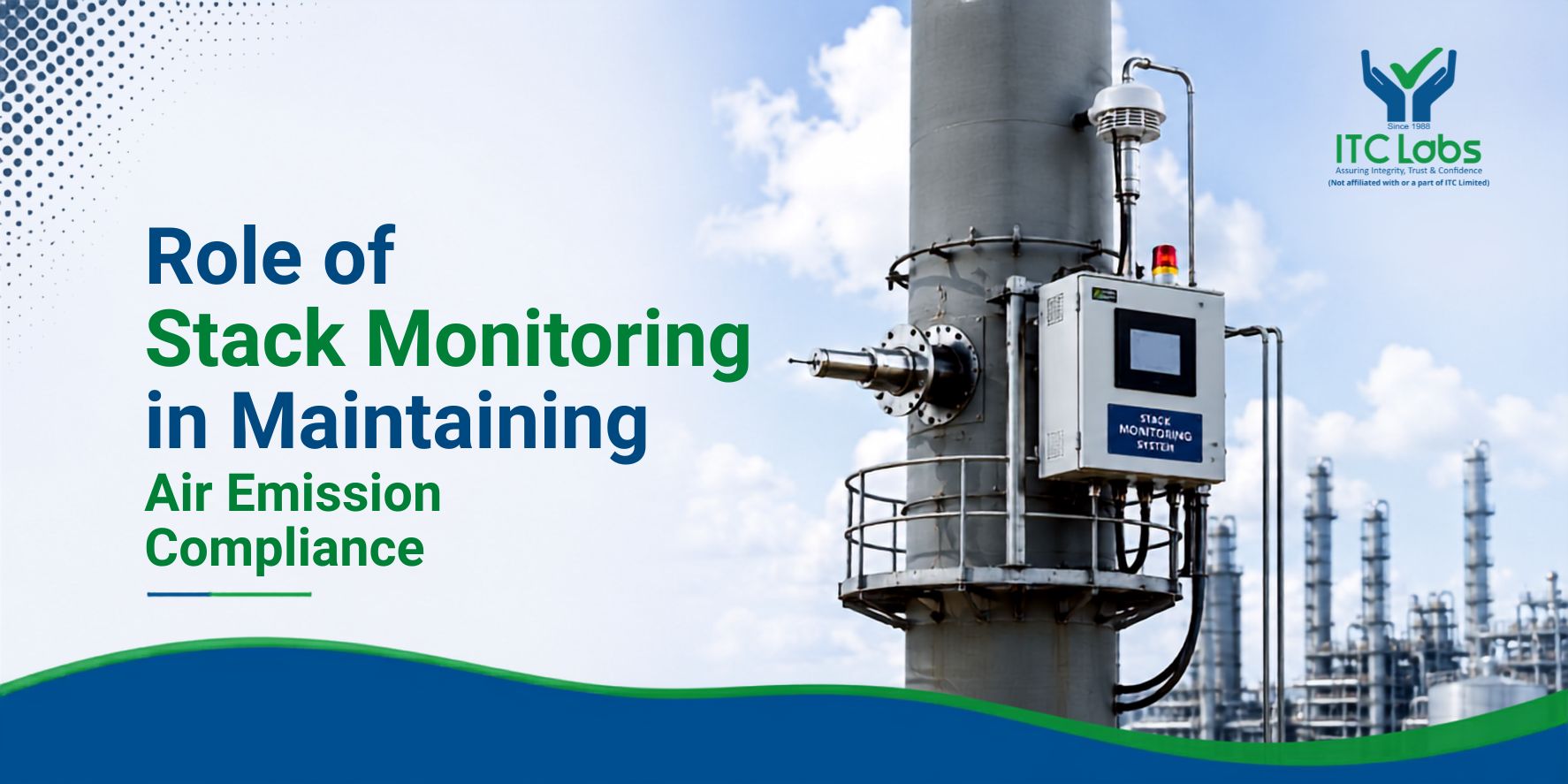
Air emission compliance has become a critical part of industrial operations. Manufacturers today are expected to meet environmental regulations while maintaining efficient production. Failing to comply with emission standards can lead to penalties, operational delays, and damage to a company’s reputation.
One of the most effective ways to stay compliant is through stack monitoring. It helps manufacturers measure emissions from industrial stacks, identify potential issues early, and demonstrate compliance with regulatory requirements.
What Is Stack Monitoring?
Stack monitoring is the process of measuring pollutants released from industrial chimneys or stacks. It helps manufacturers understand whether emissions are within the limits prescribed by regulatory authorities.
Parameters Measured During Stack Monitoring
During stack monitoring, parameters such as particulate matter (PM), sulphur dioxide (SO₂), nitrogen oxides (NOx), carbon monoxide (CO), and other pollutants are measured depending on the industry and the applicable standards.
Regular testing provides a clear picture of a plant’s emission levels and helps businesses take corrective action before they face compliance issues.
Why Stack Monitoring Matters for Manufacturers
For manufacturers, environmental compliance is more than a regulatory requirement. It is also a part of responsible business operations.
Key Benefits of Regular Stack Monitoring
Routine stack monitoring helps manufacturers:
- Meet CPCB and SPCB emission requirements
- Identify emission issues before they become major problems
- Reduce the risk of penalties and notices
- Maintain environmental records for audits and inspections
- Improve the overall efficiency of pollution control equipment
When emission levels are monitored regularly, businesses can address problems early instead of reacting after a compliance failure.
How Stack Monitoring Improves Air Emission Compliance
Detects Emission Issues Early
Equipment such as boilers, furnaces, and pollution control systems can lose efficiency over time. Without regular testing, manufacturers may not even realize that emissions have crossed permissible limits.
Stack monitoring helps identify these changes at an early stage, allowing timely maintenance and corrective action.
Supports Regulatory Compliance
Environmental authorities require industries to monitor emissions and maintain proper records. Accurate stack monitoring reports help manufacturers demonstrate compliance during inspections and audits.
Reliable testing also reduces the chances of unexpected regulatory action.
Improves Pollution Control System Performance
Stack monitoring doesn’t just measure emissions. It also indicates whether pollution control equipment is performing effectively.
If emission levels start increasing, it may signal that filters, scrubbers, or other control systems require maintenance or replacement.
Helps Make Better Operational Decisions
Emission data provides valuable insights into plant operations. Manufacturers can use the results to optimize fuel usage, improve combustion efficiency, and reduce unnecessary emissions.
Over time, this can contribute to better operational performance as well as regulatory compliance.
Best Practices for Effective Stack Monitoring
Manufacturers can improve compliance by following a few simple practices:
Conduct Monitoring at Regular Intervals
Regular testing helps manufacturers identify changes in emission levels and maintain consistent compliance.
Use Approved Sampling and Testing Methods
Ensure sampling and analysis are carried out using applicable and approved methods to obtain reliable results.
Maintain Complete Monitoring Records
Keep all stack monitoring reports and supporting records properly organized for audits, inspections, and internal compliance reviews.
Take Corrective Action Promptly
If monitoring identifies emissions above permissible limits, investigate the cause and take corrective action without delay.
Work With a NABL-Accredited Laboratory
Partnering with an experienced and NABL-accredited laboratory can help ensure accurate testing, reliable reporting, and compliance with applicable requirements.
Choosing the Right Laboratory for Stack Monitoring
The quality of monitoring depends on the expertise of the testing laboratory. An experienced laboratory follows standardized sampling procedures, uses calibrated instruments, and provides accurate reports that manufacturers can rely on.
Key Factors to Consider When Selecting a Laboratory
When selecting a laboratory, manufacturers should look for:
- NABL accreditation
- Experienced environmental testing professionals
- Compliance with applicable standards
- Accurate reporting and timely turnaround
- Strong technical support
Choosing the right testing partner ensures reliable results and greater confidence during regulatory audits.
Conclusion
Environmental compliance is an ongoing responsibility for every manufacturing facility. Regular stack monitoring helps industries stay within permissible emission limits, improve the performance of pollution control systems, and reduce the risk of regulatory action.
At ITC Labs, we provide reliable stack monitoring and environmental testing services to help manufacturers meet air emission compliance requirements with confidence. Backed by experienced professionals and advanced testing capabilities, we deliver accurate results that support informed decision-making and regulatory compliance.
Frequently Asked Questions About Stack Monitoring
What Is Stack Monitoring in Environmental Testing?
Stack monitoring is the process of measuring pollutants released from industrial stacks to ensure emissions comply with environmental standards set by regulatory authorities.
Why Is Stack Monitoring Important for Manufacturing Industries?
Stack monitoring helps manufacturers meet regulatory requirements, reduce environmental risks, improve pollution control performance, and avoid penalties due to non-compliance.
What Parameters Are Measured During Stack Monitoring?
Stack monitoring typically measures particulate matter (PM), sulphur dioxide (SO₂), nitrogen oxides (NOx), carbon monoxide (CO), oxygen, temperature, velocity, and other parameters based on industry requirements.
How Often Should Manufacturers Conduct Stack Monitoring?
The frequency depends on the industry’s Consent to Operate (CTO) conditions and CPCB/SPCB guidelines. Regular monitoring helps ensure continuous compliance.
Which Industries Require Stack Monitoring?
Industries such as cement, pharmaceuticals, chemicals, power plants, food processing, metals, textiles, and other manufacturing facilities commonly require stack monitoring.
How Do Manufacturers Choose the Right Stack Monitoring Laboratory?
Manufacturers should choose a NABL-accredited laboratory with experienced professionals, validated testing methods, calibrated equipment, and expertise in environmental compliance testing.