
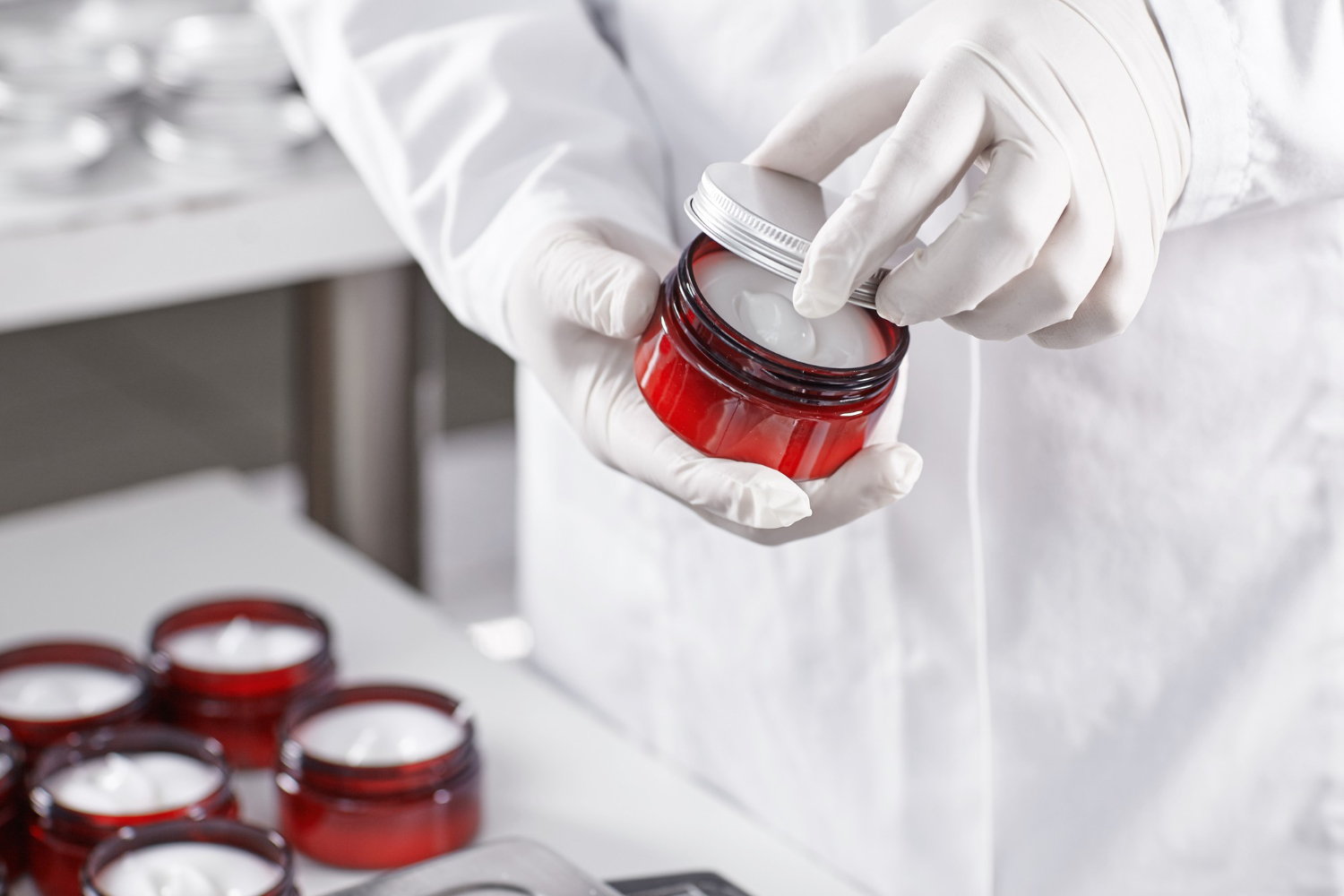
The global cosmetics industry is growing rapidly, with consumers expecting products that are safe, effective, and compliant with international regulations. This is where cosmetic testing labs play a critical role. Whether you are launching a skincare cream, shampoo, makeup product, or herbal cosmetic, choosing an ISO cosmetic testing laboratory ensures your products undergo rigorous evaluation before reaching the market. Professional cosmetic testing services help manufacturers verify product safety, quality, stability, and regulatory compliance, reducing the risk of recalls and protecting brand reputation.
In this guide, you’ll learn what ISO standards mean for cosmetic laboratories, why they matter, the different types of cosmetic product testing, and how choosing an experienced testing partner like ITC Labs can help your business maintain the highest quality standards.
What Are Cosmetic Testing Labs?
Cosmetic testing labs are specialized laboratories that evaluate cosmetic and personal care products to ensure they are safe, stable, effective, and compliant with national and international regulations.
These laboratories use advanced analytical instruments and standardized testing methods to examine various aspects of cosmetic formulations, including:
- Product safety
- Ingredient quality
- Microbial contamination
- Shelf life
- Chemical composition
- Packaging compatibility
- Product stability
- Regulatory compliance
An accredited cosmetic laboratory provides reliable scientific data that helps manufacturers confidently launch products in domestic and global markets.
What Are ISO Standards for Cosmetic Testing Laboratories?
ISO standards are internationally recognized quality management and technical standards that ensure laboratories perform testing consistently and accurately.
One of the most important standards for any ISO cosmetic testing laboratory is ISO/IEC 17025, which specifies the general requirements for the competence of testing and calibration laboratories.
An ISO-compliant laboratory demonstrates that it:
- Uses validated testing methods
- Maintains calibrated equipment
- Employs qualified scientists
- Produces reliable and repeatable results
- Maintains complete documentation
- Follows strict quality management systems
When businesses choose ISO-certified cosmetic testing labs, they gain confidence that their testing results are scientifically accurate and internationally accepted.
Why ISO Standards Matter in Cosmetic Testing Labs
Choosing accredited cosmetic testing labs offers several advantages for manufacturers and brands.
1. Ensures Consumer Safety
Consumers expect cosmetic products to be safe for everyday use. ISO standards ensure every product undergoes proper cosmetic safety testing before reaching customers.
Safety testing helps identify:
- Harmful contaminants
- Unsafe ingredient levels
- Skin irritation risks
- Microbial growth
- Heavy metal contamination
This minimizes health risks while protecting your brand reputation.
2. Improves Product Quality
Quality is one of the biggest competitive advantages in today’s cosmetic industry.
Professional cosmetic quality testing helps manufacturers verify:
- Product consistency
- Color stability
- Texture
- Fragrance retention
- Ingredient performance
Consistent quality increases customer satisfaction and repeat purchases.
3. Supports Regulatory Compliance
Different countries have different cosmetic regulations.
Accredited cosmetic compliance testing ensures products meet the required standards before they enter the market.
Testing documentation is often required during:
- Product registration
- Export approvals
- Regulatory inspections
- Customer audits
ISO-compliant laboratories simplify this entire process.
Types of Cosmetic Testing Services
Professional cosmetic testing services cover every stage of product development.
Cosmetic Safety Testing
Cosmetic safety testing evaluates whether products are safe for consumers under normal conditions of use.
Typical evaluations include:
- Skin compatibility
- Irritation assessment
- Toxicological review
- Ingredient verification
- Heavy metal analysis
Safety testing builds customer trust and supports regulatory compliance.
Cosmetic Stability Testing
Cosmetic stability testing determines how a product performs over time under different environmental conditions.
Laboratories evaluate:
- Temperature resistance
- Humidity effects
- Packaging interaction
- Color changes
- Odor changes
- Viscosity changes
- pH stability
This testing helps establish product shelf life and storage recommendations.
Microbiological Testing for Cosmetics
Microbial contamination can significantly affect product safety.
Microbiological testing for cosmetics identifies harmful microorganisms such as:
- Bacteria
- Yeast
- Mold
- Fungi
Routine microbiological testing ensures products remain safe throughout their intended shelf life.
Preservative Efficacy Testing (Challenge Test)
Preservatives protect cosmetic products against microbial contamination.
Preservative efficacy testing evaluates whether preservatives effectively prevent microbial growth during storage and consumer use.
This test is especially important for:
- Moisturizers
- Lotions
- Creams
- Serums
- Face washes
- Hair care products
A successful challenge test demonstrates that the preservative system performs as intended.
Cosmetic Analytical Testing
Modern cosmetic analytical testing uses advanced instruments to verify the composition and quality of cosmetic products.
Common analyses include:
- pH testing
- Viscosity measurement
- Heavy metal analysis
- Active ingredient estimation
- Moisture analysis
- Chemical composition
- Impurity profiling
A well-equipped analytical testing laboratory provides accurate and reproducible results that support product quality and compliance.
Skincare Product Testing
Skincare product testing is essential because these products come into direct contact with the skin.
Testing may include:
- Stability studies
- Microbiological analysis
- Preservative efficacy testing
- Ingredient verification
- Quality assurance testing
- Packaging compatibility
This ensures skincare products maintain their safety and effectiveness throughout their shelf life.
Quality Assurance Testing in Cosmetic Laboratories
Quality assurance testing focuses on maintaining consistency across every production batch.
Quality assurance helps manufacturers:
- Detect manufacturing variations
- Ensure batch-to-batch consistency
- Reduce customer complaints
- Improve product reliability
- Support regulatory documentation
A strong quality assurance program strengthens both product performance and brand reputation.
Benefits of Choosing an Accredited Testing Lab
Selecting an accredited testing lab offers several advantages over non-accredited laboratories.
Reliable Results
Accreditation ensures standardized testing procedures and validated methodologies.
International Recognition
Reports from accredited laboratories are more widely accepted by regulatory authorities and international buyers.
Better Regulatory Compliance
Accredited laboratories follow strict documentation and quality management practices.
Reduced Business Risk
Accurate testing minimizes costly recalls, legal issues, and customer complaints.
Why NABL Accreditation Matters
When searching online for NABL certified labs near me or NABL accredited labs in India, businesses should understand the importance of accreditation.
NABL (National Accreditation Board for Testing and Calibration Laboratories) evaluates laboratories based on internationally accepted standards.
Working with NABL-accredited laboratories provides confidence that:
- Testing methods are validated
- Equipment is calibrated
- Staff are competent
- Results are reliable
- Quality systems are regularly audited
For manufacturers exporting products, choosing a NABL-accredited laboratory adds credibility and supports smoother regulatory approvals.
How Cosmetic Testing Labs Support Product Development
Experienced cosmetic testing labs contribute throughout the product development lifecycle.
During Formulation
- Ingredient verification
- Compatibility assessment
- Raw material analysis
Before Manufacturing
- Stability studies
- Packaging evaluation
- Microbiological testing
Before Product Launch
- Cosmetic safety testing
- Cosmetic compliance testing
- Analytical testing
- Quality assurance testing
After Market Launch
- Complaint investigations
- Batch verification
- Ongoing quality monitoring
This end-to-end support helps manufacturers deliver consistently safe and high-quality products.
Choosing the Best Testing Services in India
Finding the best testing services in India requires careful evaluation.
Consider the following factors:
- Laboratory accreditation
- Industry experience
- Modern analytical equipment
- Qualified scientists
- Comprehensive testing capabilities
- Timely reporting
- Regulatory expertise
- Strong customer support
Partnering with an experienced analytical testing lab ensures reliable results and a smoother path to market.
Real-World Example
Imagine a skincare company launching a new vitamin C serum.
Before commercialization, the product undergoes:
- Cosmetic stability testing to determine shelf life
- Microbiological testing for cosmetics to detect contamination
- Preservative efficacy testing to confirm preservative performance
- Cosmetic analytical testing to verify active ingredient concentration
- Cosmetic safety testing to ensure consumer safety
By completing these evaluations through an accredited cosmetic testing laboratory, the company can confidently introduce its product to the market while meeting regulatory requirements and customer expectations.
Why Choose ITC Labs for Cosmetic Testing?
With over 38 years of expertise in analytical testing and quality assurance, ITC Labs has earned the trust of manufacturers across the cosmetics industry.
Our experienced professionals are committed to delivering accurate, reliable, and timely testing services that help businesses meet stringent quality and regulatory requirements.
Our strengths include:
- Comprehensive cosmetic testing services
- Advanced analytical testing laboratory facilities
- Experienced scientific team
- Accurate and reliable reports
- Strong quality assurance practices
- Personalized technical support
- Commitment to customer satisfaction
- Assistance with regulatory compliance
Whether you need cosmetic product testing, cosmetic safety testing, cosmetic stability testing, microbiological testing for cosmetics, preservative efficacy testing, or cosmetic analytical testing, ITC Labs provides dependable solutions tailored to your business needs.
By partnering with ITC Labs, cosmetic brands can safeguard product quality, protect consumer trust, and confidently navigate complex regulatory requirements.
Conclusion
As consumer expectations and regulatory requirements continue to evolve, partnering with trusted cosmetic testing labs has become essential for every cosmetics manufacturer. From cosmetic safety testing and cosmetic stability testing to microbiological testing for cosmetics, preservative efficacy testing, and cosmetic analytical testing, comprehensive laboratory evaluations help ensure product quality, compliance, and consumer confidence.
If you’re looking for reliable cosmetic testing services, an experienced analytical testing laboratory, or one of the best testing services in India, ITC Labs is a trusted choice. With more than 38 years of expertise, exceptional testing facilities, and a commitment to quality assurance, ITC Labs helps businesses deliver safe, high-quality cosmetic products that meet national and international standards. Partner with ITC Labs to strengthen your brand, streamline regulatory compliance, and bring your products to market with confidence.
Frequently Asked Questions (FAQs)
1. What are cosmetic testing labs?
Cosmetic testing labs are specialized laboratories that evaluate cosmetic products for safety, quality, stability, microbiological contamination, and regulatory compliance before they are launched in the market.
2. Why is cosmetic stability testing important?
Cosmetic stability testing determines how a product performs under different environmental conditions and helps establish its shelf life, storage conditions, and packaging compatibility.
3. What is preservative efficacy testing?
Preservative efficacy testing, also known as a challenge test, evaluates whether a product’s preservative system effectively prevents microbial growth during storage and consumer use.
4. Why should I choose an accredited testing laboratory?
An accredited testing laboratory follows internationally recognized quality standards, uses validated testing methods, maintains calibrated equipment, and provides reliable, reproducible results.
5. What is cosmetic analytical testing?
Cosmetic analytical testing involves scientific analysis of cosmetic formulations to verify ingredient composition, detect impurities, measure active ingredients, and ensure product quality.
6. Why is NABL accreditation important for cosmetic laboratories?
NABL accreditation demonstrates that a laboratory operates according to internationally accepted quality standards, providing confidence in the accuracy and reliability of testing results.