
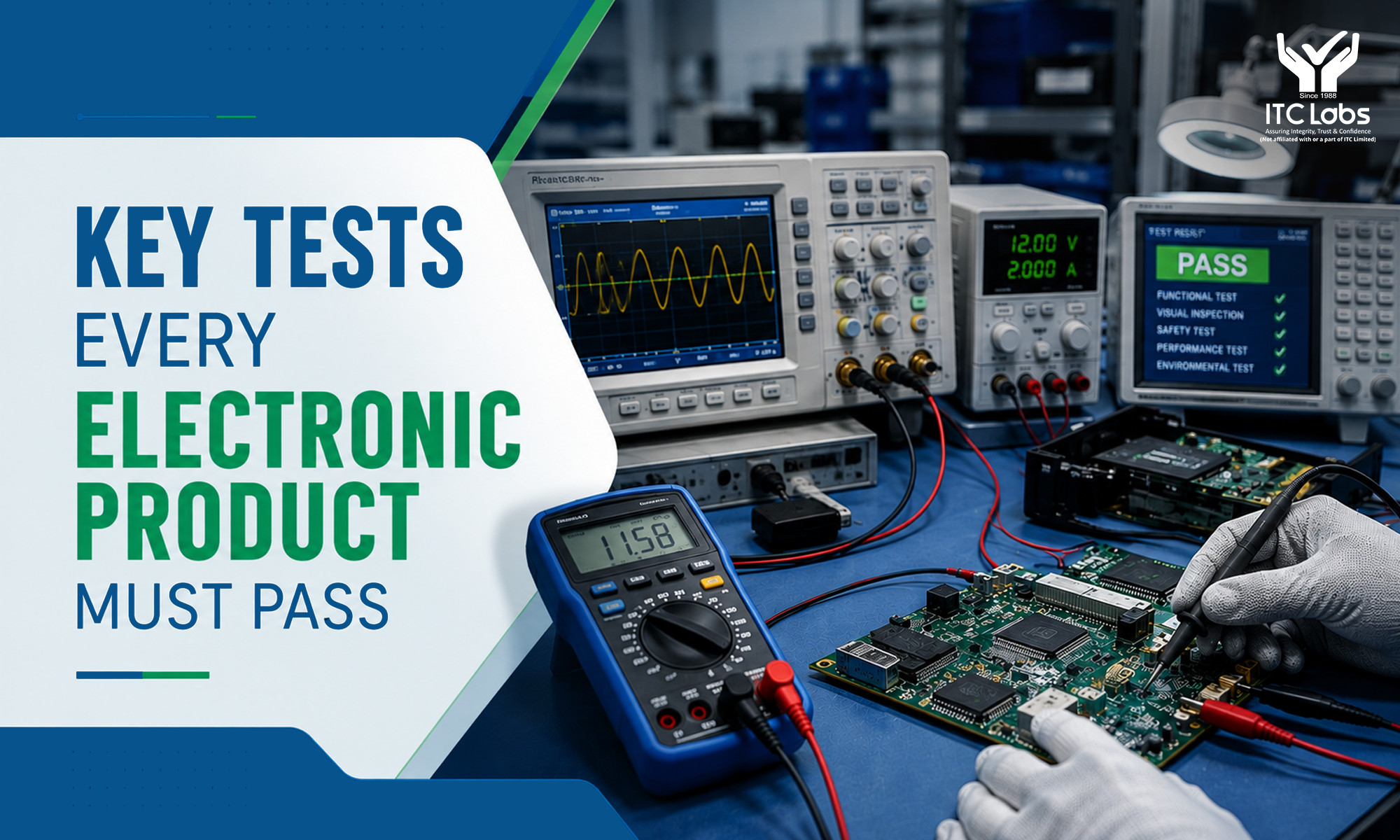
Modern electronic products must meet stringent safety, performance, and compliance requirements before entering the market. Whether it is a consumer appliance, industrial equipment, medical device, or electronic component, manufacturers must demonstrate that their products comply with applicable national and international standards. This is where electrical and electronic product testing becomes essential.
Regulatory authorities and certification bodies require comprehensive testing to ensure products are safe, reliable, and fit for their intended use. Among the most important evaluations are EMC testing, LVD testing, IP testing, and reliability assessment. Together, these tests help manufacturers achieve regulatory approval, reduce product failures, and build consumer confidence.
Why Regulatory Testing Matters
The increasing complexity of electrical and electronic products has made compliance testing more important than ever. Regulatory testing verifies that products meet established safety and performance requirements before reaching customers.
Through professional electrical & electronics testing, manufacturers can identify design weaknesses, improve product quality, and ensure compliance with market regulations. Working with an accredited electrical equipment testing laboratory also minimizes the risk of product recalls, legal penalties, and customer complaints.
For companies targeting domestic and international markets, proper testing is often a mandatory requirement for certifications and approvals.
EMC Testing: Ensuring Electromagnetic Compatibility
Electromagnetic Compatibility (EMC) testing evaluates whether an electronic product can operate correctly without causing or experiencing electromagnetic interference.
Electronic devices generate electromagnetic energy during operation. If not properly controlled, this energy can interfere with nearby equipment, affecting performance and safety. EMC testing assesses both emissions and immunity characteristics of a product.
Key EMC evaluations include:
- Radiated emissions testing
- Conducted emissions testing
- Electrostatic discharge testing
- Surge and transient testing
- Radiated immunity testing
- Conducted immunity testing
EMC compliance is often required for regulatory approvals across global markets. As a critical component of testing of electrical & electronics, EMC assessments help manufacturers demonstrate that their products can function safely in real-world environments.
LVD Testing: Verifying Electrical Safety
Low Voltage Directive (LVD) testing focuses on the electrical safety of products operating within specified voltage ranges. Many electronic and electrical products must undergo ELV testing or LVD-related assessments before entering regulated markets.
The objective is to ensure that users are protected from electrical hazards such as electric shock, overheating, fire risks, and insulation failures.
Common LVD evaluations include:
- Dielectric strength testing
- Insulation resistance testing
- Leakage current testing
- Temperature rise testing
- Earth continuity testing
- Mechanical safety assessment
Professional ELV Testing services help manufacturers verify compliance with applicable safety standards and regulatory requirements. Partnering with a qualified ELV testing lab ensures accurate results and smoother certification processes.
IP Testing: Measuring Protection Against Dust and Water
Ingress Protection (IP) testing evaluates the effectiveness of product enclosures in preventing the entry of dust, water, and foreign objects. IP ratings are especially important for outdoor equipment, industrial devices, consumer electronics, automotive components, and electrical systems exposed to harsh environments.
The IP rating consists of two digits:
- The first digit indicates protection against solid particles.
- The second digit indicates protection against liquids.
For example, an IP67-rated device offers high protection against dust ingress and temporary water immersion.
IP testing may include:
- Dust chamber testing
- Water spray testing
- Water jet testing
- Immersion testing
- Environmental sealing verification
As part of comprehensive Electrical and Electronic Product Testing, IP assessments help manufacturers demonstrate product durability and environmental resistance.
Reliability Assessment: Evaluating Long-Term Performance
Passing regulatory tests is only one part of product validation. Reliability testing evaluates how a product performs over time under various operating conditions.
Reliability assessments help manufacturers identify potential failures before products reach the market. This reduces warranty claims, improves customer satisfaction, and enhances brand reputation.
Common reliability evaluations include:
- Temperature cycling tests
- Humidity exposure tests
- Vibration testing
- Mechanical shock testing
- Life cycle testing
- Accelerated aging studies
Many organizations rely on specialized Electronics components testing to assess the durability of individual components as well as complete systems.
Reliability testing is particularly important for industries such as automotive, aerospace, telecommunications, medical devices, and industrial automation.
The Role of Accredited Testing Laboratories
Selecting the right testing partner is crucial for obtaining accurate and reliable results. Accredited Electrical Testing Laboratories in India provide advanced testing capabilities, experienced technical teams, and compliance expertise.
Beyond compliance testing, many manufacturers also require support from an analytical testing laboratory for material characterization, failure analysis, contamination studies, and performance evaluations.
Leading analytical laboratories offer a broad range of analytical testing services that complement electrical and electronic testing programs. These services help manufacturers gain deeper insights into product performance and quality.
In addition, many businesses work with an independent inspection company to verify manufacturing quality, product consistency, and regulatory compliance throughout the supply chain.
Conclusion
Regulatory approval for electronic products requires a comprehensive testing strategy that covers EMC, LVD, IP, and reliability assessments. Together, these evaluations verify safety, performance, durability, and compliance with applicable standards.
From electrical & electronics testing and ELV Testing services to advanced reliability studies and component evaluations, every stage of testing plays a critical role in bringing safe and compliant products to market.
ITC Labs offers end-to-end testing solutions for manufacturers seeking reliable regulatory compliance support. As a trusted electrical equipment testing laboratory, ITC Labs provides comprehensive Electrical and Electronic Product Testing, Electronics components testing, analytical evaluations, and inspection services under one roof. With advanced infrastructure, experienced experts, and a commitment to quality, ITC Labs helps businesses accelerate certification processes and confidently launch products in competitive global markets.
Frequently Asked Questions
1. What is Electrical and Electronic Product Testing?
Electrical and Electronic Product Testing is the process of evaluating electronic products for safety, performance, reliability, and regulatory compliance before they are introduced to the market.
2. Why is EMC testing important for electronic products?
EMC testing ensures that a product does not generate excessive electromagnetic interference and can operate properly in the presence of external electromagnetic disturbances.
3. What is ELV testing?
ELV testing (Extra Low Voltage testing) assesses the safety and performance of low-voltage electrical systems and components to ensure compliance with applicable standards.
4. What does an IP rating indicate?
An IP rating indicates the level of protection a product enclosure provides against dust, solid objects, and water ingress under specified test conditions.
5. Why is reliability testing necessary for regulatory approval?
Reliability testing evaluates how a product performs over time and under different environmental conditions, helping manufacturers identify potential failures before market release.
6. How do Electrical Testing Laboratories in India support manufacturers?
Electrical Testing Laboratories in India provide accredited testing services, compliance assessments, and technical expertise to help manufacturers meet regulatory requirements.
7. What is included in Electronics components testing?
Electronics components testing may include electrical performance evaluation, environmental testing, durability assessment, failure analysis, and reliability verification.
8. Why should manufacturers choose an accredited electrical equipment testing laboratory?
An accredited electrical equipment testing laboratory delivers accurate, recognized test results that support certification, regulatory approvals, and market access.