
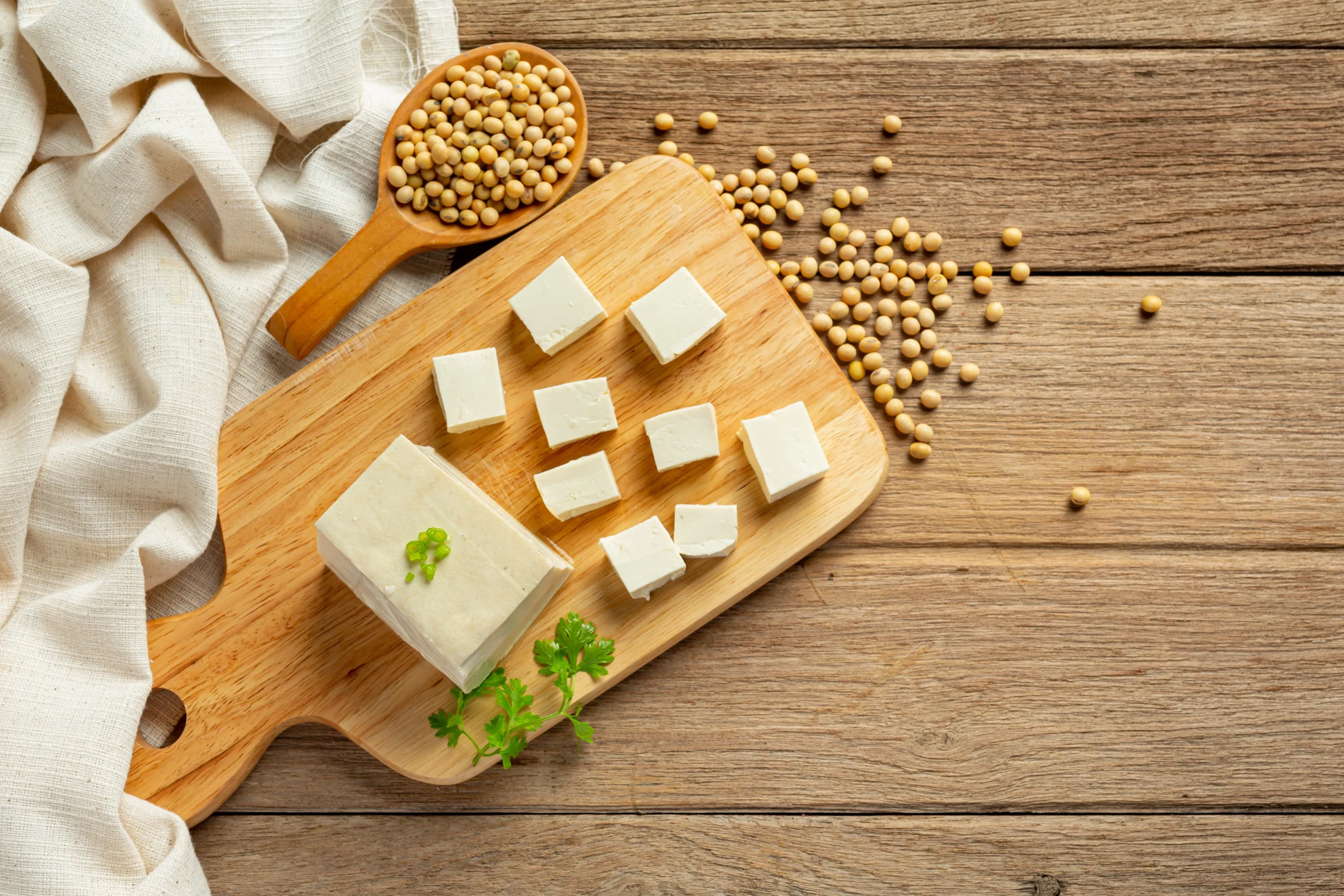
A paneer lab test ensures your paneer or soya paneer meets FSSAI safety standards by checking for adulteration, microbial contamination, nutritional accuracy, and chemical residues. Conducting Soya paneer testing in India through NABL accredited labs protects consumers and prevents regulatory penalties.
If you want to ensure your dairy or plant-based paneer is truly safe, the answer is simple: conduct a certified paneer lab test through an accredited food testing laboratory. With the rising concern of fake paneer in India, adulteration risks, and regulatory scrutiny, both dairy paneer and plant-based variants require professional Soya paneer testing in India to confirm safety, quality, and FSSAI compliance. But lab testing is not just about paperwork—it protects consumers from fake paneer side effects, shields brands from penalties, and builds long-term trust.
In this in-depth guide, we will explain how to check paneer quality, what tests are included in a paneer lab test, how Soya paneer testing works, how to read an FSSAI paneer report, and how to choose the right food testing services in India.
Understanding the Growing Risk of Fake Paneer in India
India is one of the largest consumers of paneer globally. From small sweet shops to five-star hotels, paneer is widely used. At the same time, plant-based diets are increasing, making Soya paneer testing equally important.
However, food adulteration has become a major issue.
What Is a Fake Paneer?
Fake paneer may include:
- Paneer made from synthetic milk
- Starch-mixed paneer to increase weight
- Urea or detergent contamination
- Low-fat substitutes falsely sold as full-cream paneer
Authorities across India frequently seize adulterated dairy products, especially during festive seasons when demand spikes. This is why a regular paneer lab test is no longer optional—it is essential.
Why Paneer Lab Test Is Non-Negotiable for Food Businesses
If you are a manufacturer, retailer, HoReCa supplier, or exporter, conducting a paneer lab test protects you from:
- Regulatory penalties
- Product recalls
- Brand damage
- Legal liabilities
- Customer health complaints
A paneer lab test conducted in a certified food testing lab verifies whether your product meets FSSAI standards for fat content, moisture levels, microbial safety, and absence of harmful contaminants.
Without proper testing, even a single contaminated batch can destroy years of brand trust.
What Does a Paneer Lab Test Include?
A comprehensive paneer lab test in a professional food testing laboratory covers multiple parameters.
1. Microbiological Testing in Food Safety Testing Labs
Paneer contains high moisture and protein, making it highly perishable. Microbial testing in food safety testing labs checks for:
- E. coli
- Salmonella
- Listeria
- Yeast and mold
- Total plate count
Unsafe microbial levels can cause severe food poisoning. A certified analytical testing lab ensures your paneer meets safety thresholds.
2. Adulteration & Fake Paneer Test
One of the most requested services in a consumer food testing lab is the fake paneer test.
This includes:
- Starch detection
- Synthetic milk analysis
- Urea testing
- Detergent residue check
While consumers may attempt home methods to check paneer quality, only a professional food analysis lab can provide legally valid confirmation.
3. Nutritional Analysis
Accurate labeling is mandatory under Indian regulations.
A quality assurance laboratory verifies:
- Protein content
- Fat percentage
- Moisture content
- Carbohydrates
Incorrect labeling can result in penalties. Regular paneer lab test procedures ensure that your nutritional claims match laboratory results.
4. Chemical Contaminant Testing
A modern analytical testing lab screens for:
- Heavy metals (lead, arsenic)
- Pesticide residues
- Preservative levels
- Antibiotic residues
These contaminants may enter the supply chain through milk sourcing or processing equipment.
5. FSSAI Paneer Report & Compliance
An FSSAI paneer report confirms that your product meets prescribed standards.
Key parameters include:
- Minimum fat content in dry matter
- Microbial limits
- Moisture levels
- Food additive compliance
Without a proper paneer lab test report, your FSSAI license may be at risk.
Soya Paneer Testing: Why It Requires Special Attention
With the growth of vegan and lactose-free diets, Soya paneer testing in India has become critical.
Unlike dairy paneer, soy-based paneer involves different risk factors.
What Does Soya Paneer Testing Include?
A detailed Soya paneer testing process includes:
- Soy protein quality analysis
- Allergen declaration verification
- Heavy metal testing
- Microbial safety analysis
- Shelf-life testing
Since soy is a common allergen, accurate testing in a food testing laboratory is mandatory for proper labeling.
Failing to conduct Soya paneer testing can expose brands to consumer lawsuits and regulatory actions.
Fake Paneer Side Effects: Why Consumer Safety Comes First
Consuming fake paneer can cause:
- Severe stomach infections
- Diarrhea and vomiting
- Kidney stress (due to urea)
- Long-term digestive issues
- Allergic reactions
Food safety is not just a compliance requirement—it is a moral responsibility.
A routine paneer lab test protects public health and prevents these fake paneer side effects.
How to Check Paneer Quality: Consumer-Level Tips
Although a paneer lab test is the gold standard, here are some preliminary checks:
1. Texture Check
Real paneer is firm but soft. Extremely rubbery texture may indicate adulteration.
2. Smell Test
Fresh paneer has a mild milky aroma. Sour smell indicates spoilage.
3. Iodine Test
Add iodine solution to a small sample. The blue color suggests starch.
4. Boiling Test
Fake paneer may break apart easily when boiled.
However, these methods are not substitutes for professional food testing services.
How to Choose the Right Food Testing Laboratory
When searching for an accredited testing laboratory near me, consider the following:
NABL Accreditation
Always choose from recognized NABL accredited labs in India. NABL ensures the laboratory follows international ISO standards.
FSSAI Recognition
Ensure the food testing lab can issue valid FSSAI paneer report documentation.
Infrastructure & Technology
A reliable analytical testing lab should have:
- Advanced chromatography systems
- Microbiology labs
- Heavy metal detection equipment
Industry Expertise
An experienced quality assurance lab understands dairy and plant-based product testing standards.
Why Food Businesses Must Invest in Food Testing Services
Investing in food testing services delivers long-term benefits:
1. Regulatory Compliance
Avoid fines and license suspension.
2. Brand Trust
Consumers prefer brands backed by transparent testing.
3. Export Support
APEDA requires certified analytical testing lab reports.
4. Reduced Risk
Routine paneer lab test minimizes recall chances.
Best Testing Services in India: What Makes a Lab Reliable?
The Best Testing services in India offer:
- NABL accreditation
- FSSAI approval
- Multi-category testing
- Transparent reporting
- Experienced scientists
Avoid low-cost, unaccredited labs that provide incomplete documentation.
Why Choose ITC Labs for Food Testing?
When it comes to selecting a trusted food testing laboratory, expertise and accreditation matter.
ITC Labs is recognized by regulatory bodies such as NABL, FSSAI, APEDA, and others as an accredited food testing laboratory. This ensures compliance with national and international standards.
Services Offered:
- Comprehensive paneer lab test
- Advanced Soya paneer testing in India
- Shelf-life testing
- Allergen analysis
- Contaminant detection
- Nutritional labeling verification
- Dairy and plant-based product analysis
Their analytical testing lab infrastructure supports every stage of food product development.
For businesses searching for NABL accredited labs in India or an accredited testing laboratory near me, ITC Labs provides reliable and compliant solutions backed by expertise.
Final Conclusion
Ensuring your paneer and soya paneer are lab tested is no longer optional in today’s food safety landscape. With increasing incidents of fake paneer in India and strict regulatory enforcement, regular paneer lab test procedures and professional Soya paneer testing in India are essential for manufacturers, retailers, exporters, and even vigilant consumers.
Choosing a trusted and accredited food testing laboratory like ITC Labs ensures regulatory compliance, consumer safety, and long-term brand credibility. In the food industry, quality is not an expense—it is an investment in trust.
Frequently Asked Questions (FAQs)
1. How often should a paneer lab test be conducted?
Manufacturers should conduct a paneer lab test for every batch or at defined intervals depending on production volume and FSSAI guidelines.
2. Is Soya paneer testing mandatory in India?
Yes. Soya paneer testing in India is required to ensure allergen labeling, microbial safety, and regulatory compliance.
3. What is included in an FSSAI paneer report?
An FSSAI paneer report includes fat percentage, moisture content, microbial limits, and compliance parameters.
4. Can consumers request testing from a consumer food testing lab?
Yes, individuals can submit samples to a consumer food testing lab for adulteration and safety checks.
5. How do I find NABL accredited labs in India?
You can search the NABL website or consult recognized food testing services providers like ITC Labs.