
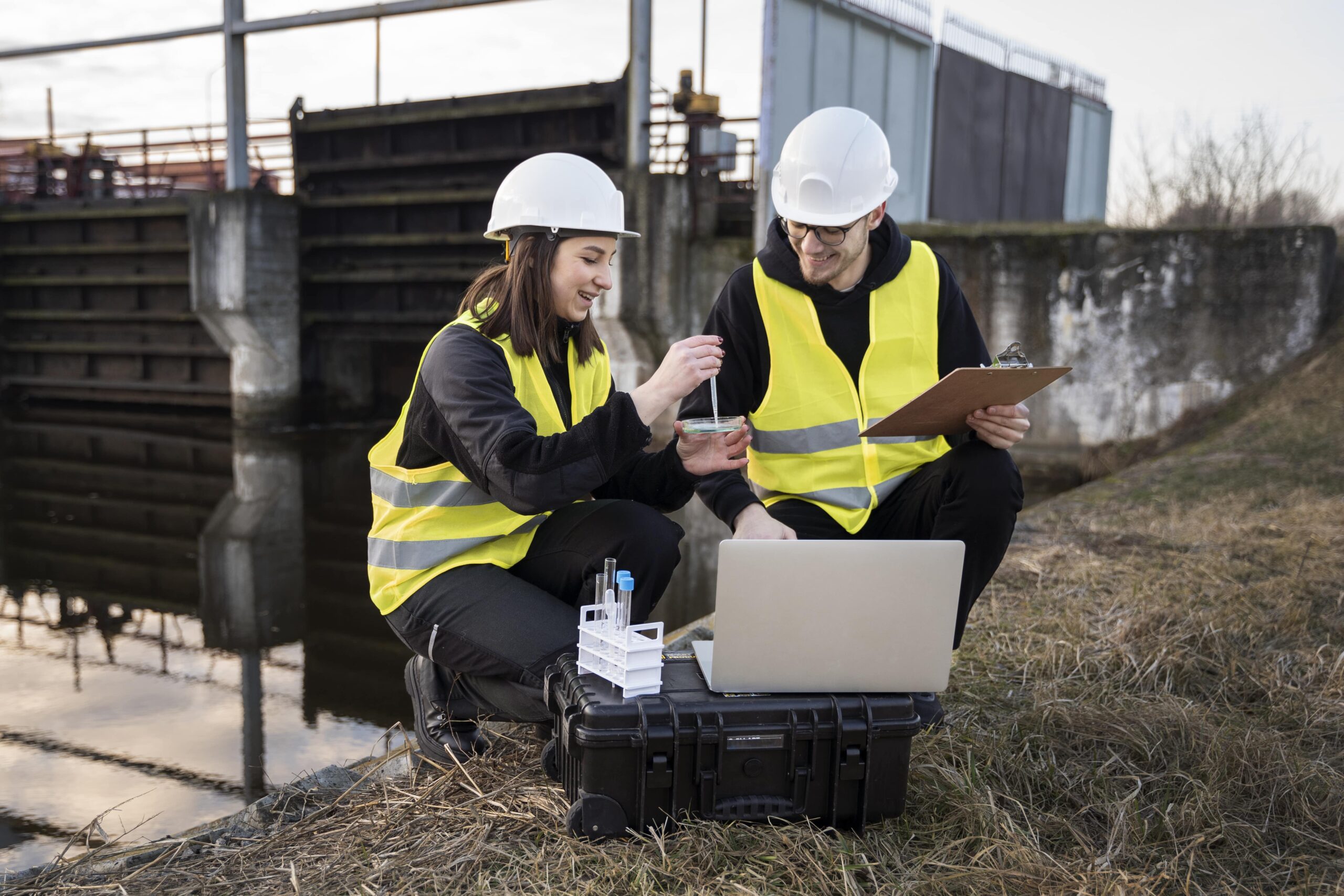
Poor water quality isn’t just a nuisance—it’s a direct threat to human health. Contaminated water is one of the leading causes of typhoid fever, and it’s also responsible for a wide range of other serious illnesses, from hepatitis to cholera. Whether you’re managing a home, clinic, school, or business, the quality of your water can have life-altering consequences.
The good news? With reliable water analysis services and professional water testing service providers, these dangers are entirely preventable. In this blog, we’ll explore how unsafe water impacts health, the direct connection to typhoid fever, and how using a qualified analytical testing lab for regular testing of drinking water can protect lives.
Why Water Quality Is Critical for Health
Water is vital for every aspect of life. From drinking and cooking to cleaning and sanitation, safe water is the foundation of good health. However, water can carry hidden dangers. Many contaminants are not visible to the naked eye and have no taste or odor. Without water testing services, these impurities remain undetected—until someone gets sick.
Common water contaminants include:
- Biological pathogens: Bacteria (like Salmonella and E. coli), viruses, and parasites.
- Chemical pollutants: Heavy metals like lead and arsenic, as well as industrial chemicals.
- Physical impurities: Sediment, rust, and suspended solids that may affect color and taste.
Regular testing of drinking water helps identify these threats early and ensures compliance with health and safety standards.
Typhoid Fever: A Preventable Illness Caused by Contaminated Water
What Is Typhoid Fever?
Typhoid fever is a bacterial infection caused by Salmonella typhi. It spreads primarily through contaminated water or food and can lead to high fever, weakness, abdominal pain, and in severe cases, internal bleeding or even death.
How Does Poor Water Quality Lead to Typhoid?
Here’s how the disease spreads through water:
- Fecal contamination: If sewage leaks into drinking water pipes or storage tanks, it introduces harmful bacteria.
- Unhygienic storage: Improperly maintained tanks and containers can harbor pathogens.
- Inadequate disinfection: Without proper chlorination or filtration, water may still contain Salmonella typhi and other microbes.
In many areas, especially during monsoons or after floods, the chances of water contamination increase dramatically. This is why proactive water testing services are crucial.
Other Serious Illnesses Linked to Unsafe Water
Typhoid isn’t the only illness linked to poor water quality. Here are several other dangerous diseases that can result from contaminated water:
1. Cholera
Caused by Vibrio cholerae, cholera leads to acute diarrhea and dehydration. It spreads rapidly through water that is polluted with human waste.
2. Hepatitis A and E
These viral infections attack the liver and are commonly spread through water contaminated with human fecal matter. Symptoms include jaundice, nausea, and fatigue.
3. Dysentery
Both bacterial and amoebic dysentery cause severe diarrhea and stomach cramps. It’s commonly spread through dirty or untreated water.
4. Gastroenteritis
This condition involves inflammation of the stomach and intestines, often resulting in vomiting, diarrhea, and dehydration. Waterborne viruses and bacteria are frequent culprits.
5. Long-Term Illnesses from Chemical Exposure
Heavy metals like lead, mercury, and arsenic in water can cause:
- Neurological damage
- Kidney failure
- Developmental delays in children
- Certain cancers
These contaminants can go unnoticed without the help of a qualified analytical testing lab.
The Importance of Water Analysis Services
Water analysis services go beyond basic water checks. They involve advanced, scientific testing to evaluate the safety and quality of water across various parameters. These services help you:
- Identify health risks before they cause illness
- Ensure regulatory compliance
- Monitor the performance of filtration and purification systems
- Protect vulnerable populations in clinics, schools, and residential complexes
Professional labs use methods like microbiological culturing, chemical analysis, and spectrophotometry to deliver accurate results.
Types of Water Testing Services
When you engage a professional water testing service, the lab will typically conduct the following tests:
1. Microbiological Testing
- Detects bacteria like Salmonella, E. coli, and coliforms
- Tests for viruses and parasites
- Vital for preventing waterborne diseases like typhoid and cholera
2. Chemical Testing
- Measures levels of harmful substances such as:
- Arsenic
- Fluoride
- Nitrates
- Heavy metals (lead, mercury, cadmium)
- Ensures that your water meets health safety standards
3. Physical Testing
- Analyzes color, odor, turbidity, temperature, and suspended solids
- Helps evaluate aesthetic and basic safety aspects
4. Pesticide and Industrial Contaminant Testing
- Critical in agricultural and industrial regions
- Identifies dangerous chemicals that may have leached into groundwater
5. Advanced Quality Assurance Testing
- Ensures testing accuracy through:
- Control samples
- Duplicates
- Calibration procedures
- Guarantees reliable results across repeated tests
Using a certified analytical testing lab helps ensure these tests are performed under stringent quality control systems.
Why You Should Work with an Accredited Analytical Testing Lab
Not all labs are the same. Choosing the right analytical testing lab can mean the difference between peace of mind and missed risks.
Here’s what to look for:
- Accreditation (e.g., NABL) – This confirms the lab follows international testing standards.
- Experienced technicians who understand local water issues
- Comprehensive testing menus including biological, chemical, and physical testing
- Modern instruments and technologies for precise detection
- Fast and reliable reporting with clear, actionable insights
An expert lab will not only provide test results but also help you interpret them and take corrective actions.
Who Needs Water Testing Services?
Everyone. But it’s especially critical for:
- Clinics and hospitals: To prevent waterborne infections in vulnerable patients
- Schools and daycare centers: To protect children’s health
- Residential societies: Especially those using borewells or overhead tanks
- Restaurants and food businesses: For compliance and safety
- Manufacturers and pharmaceutical units: For production water quality
- Farmers: To ensure irrigation water does not damage crops or introduce contaminants
Routine testing of drinking water ensures that all these users have access to safe, compliant water.
When and How Often Should You Test Water?
It depends on your water source and location, but general guidelines include:
- Once a year for homes using municipal supply
- Twice a year for borewells or tanks
- Quarterly or monthly for clinics, food businesses, or industries
- Immediately after floods, pipe repairs, or illness outbreaks
Testing should be part of your annual health and safety plan—just like servicing appliances or renewing insurance.
Common Signs You Need Immediate Water Testing
- Sudden illnesses among residents or staff
- Water tastes metallic or smells strange
- Visible particles or discoloration
- Recent plumbing or construction work
- Nearby industrial or chemical activity
- Complaints from guests, patients, or clients
Don’t ignore these red flags. A timely water testing service can prevent illness and even save lives.
Conclusion: Trust ITC Labs for Safe Water Testing in India
Access to clean and safe water is a basic human right—and a non-negotiable foundation for health. Typhoid fever, hepatitis, cholera, and other diseases can be entirely prevented through proper sanitation and water testing services.
If you’re looking for a reliable partner in ensuring water safety, we at ITC Labs are here to help. As a leading NABL-accredited laboratory, we offer testing, inspection, and certification services across sectors including food, pharmaceuticals, chemicals, and water.
With our deep expertise, we use advanced technology and proven methodologies to deliver accurate and actionable insights. With a strong pan-India presence, we bring the assurance of quality, safety, and regulatory compliance to your doorstep.
Contact us at ITC Labs today to schedule your water quality check and protect your community’s health—with confidence and clarity.
FAQs – Water Testing & Typhoid Prevention
Can I test water at home using kits?
Basic home test kits exist but are not comprehensive. They may test for chlorine or hardness but can’t detect bacteria or toxic metals. For complete safety, use professional water analysis services.
How long does lab testing take?
Most analytical testing labs provide results within 3–7 working days, depending on the complexity of the tests requested.
Does RO or UV purification eliminate all contaminants?
Not always. RO systems remove dissolved solids and some metals. UV kills microbes, but neither can handle every contaminant on their own. Lab testing helps assess your system’s performance.
Are water tests mandatory by law?
In many sectors like food production, healthcare, and hospitality, routine quality assurance testing is either mandatory or expected to maintain licenses and certifications.
What if my water test fails?
If results show contamination, immediate corrective action is required. This may include disinfection, pipeline repairs, filtration upgrades, or switching sources. Always retest after remediation.